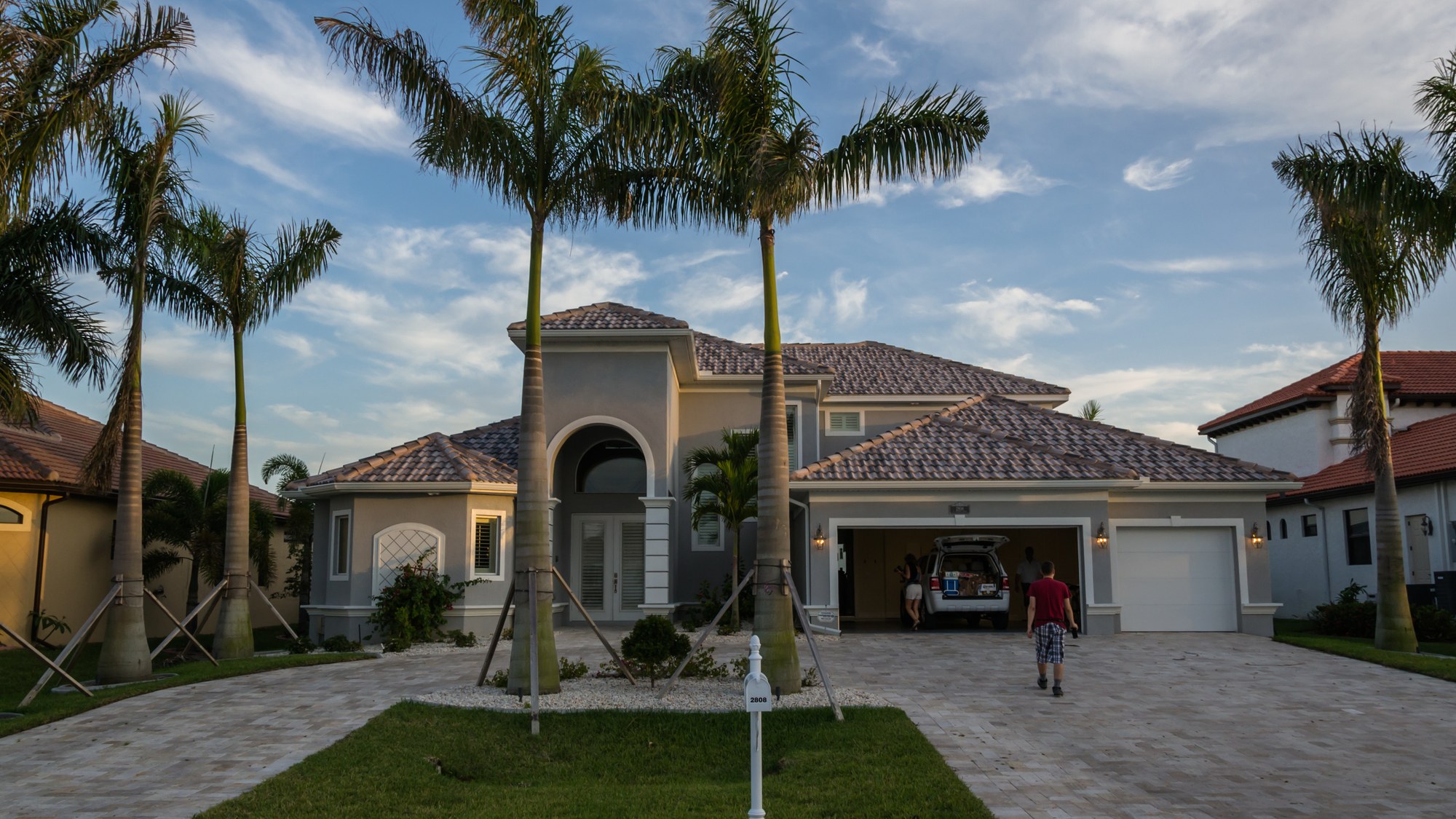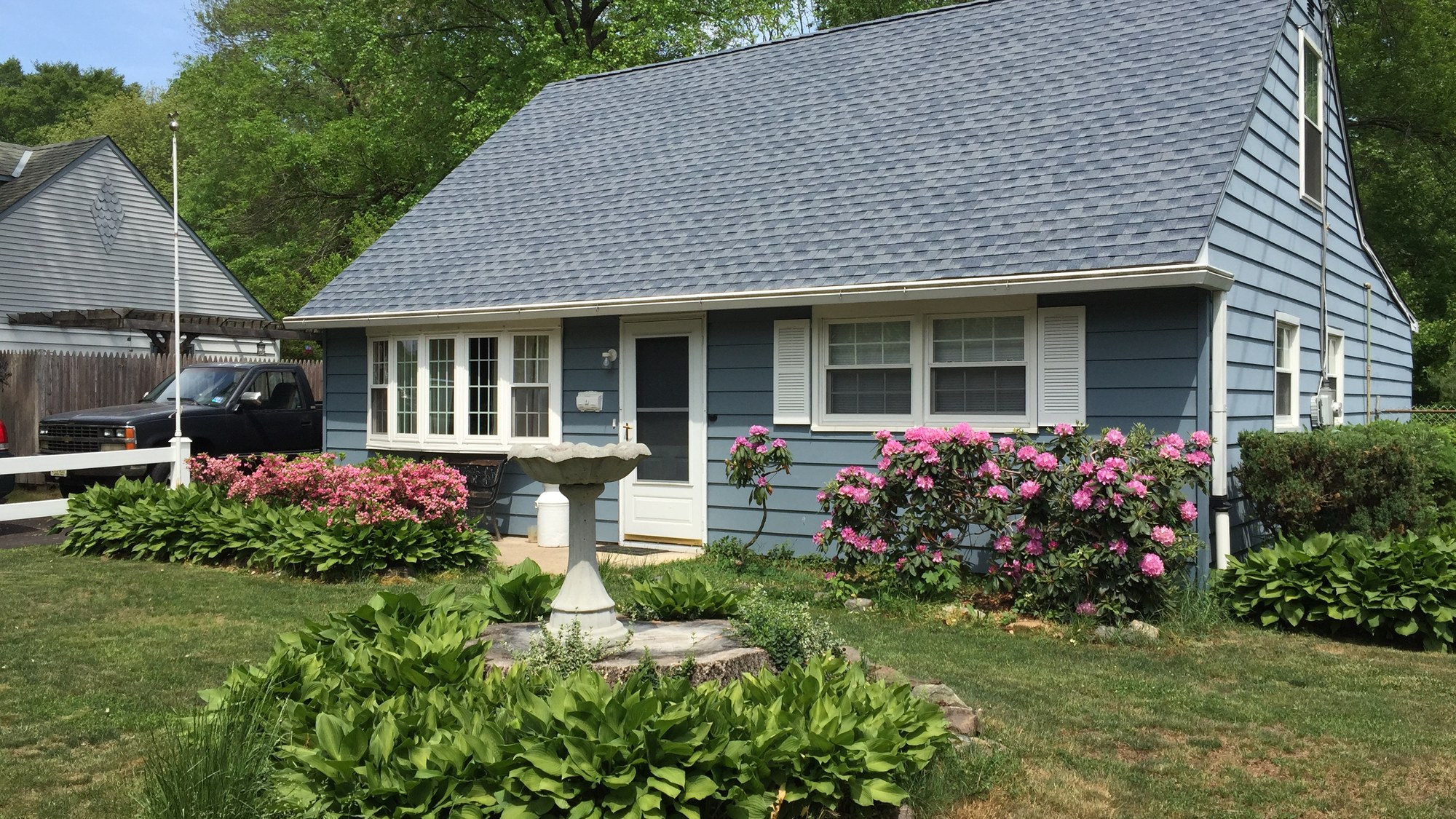
About one in five homes listed for sale across the United States received a price reduction in April 2026, a sign that sellers are adjusting to a market where inventory keeps climbing and buyers have more room to negotiate. The national median home sale price reached $390,000, up just 1.7 percent from a year earlier, while active listings grew 6.3 percent over the same period. The gap between rising supply and barely rising prices is forcing a recalibration that could reshape the spring and summer selling season.
Rising inventory and flat prices squeeze sellers in spring 2026
The tension is straightforward: more homes are sitting on the market, but prices have not dropped enough to clear them quickly. According to new figures from Homes.com, active listings rose 6.3 percent year over year in April 2026. That increase means buyers can compare more options before committing, and sellers who price aggressively from the start risk watching their homes linger.
A 1.7 percent annual gain in the median sale price sounds positive in isolation, but it barely keeps pace with broader inflation. When roughly 21 percent of listed homes need a price cut to attract offers, the headline number masks real softness at the listing level. Sellers who set aspirational asking prices are learning within weeks that the market will not reward them the way it did during the pandemic-era frenzy.
The hypothesis that fast-growing inventory markets will show the steepest jump in price-cut frequency within 60 days has a logical foundation. As supply outpaces demand in a given metro area, homes sit longer, and longer days on market almost always lead to reductions. Even if the national median holds steady or edges up, local conditions can diverge sharply. Markets that added the most new listings this spring are the ones most likely to see sellers slashing prices through early summer.
What the April 2026 data actually show
The core dataset behind the headline comes from Homes.com, a division of CoStar Group, which tracks listing activity and sale prices nationwide. Its April 2026 report pegs the national median home sale price at $390,000 and documents a 6.3 percent year-over-year increase in active listings. Those two numbers together tell a story of modest appreciation running headlong into expanding choice for buyers.
Separate research from the University of Michigan reinforces the supply-side picture. The university’s April 2026 housing analysis flagged a surge in new listings alongside falling prices in certain segments. Consumer sentiment surveys conducted by the same institution have tracked growing caution among prospective buyers, many of whom expect further price softening before they commit.
Taken together, the two sources point in the same direction. Inventory is expanding, price growth is decelerating, and sellers who do not respond quickly are resorting to cuts. The 21 percent price-cut rate is not a sign of a crash, but it does represent a meaningful shift from the seller-dominated conditions of the past several years. Buyers who have been priced out or outbid now have tangible leverage they lacked 12 months ago.
Gaps in the data and what to watch this summer
Even with robust national reporting, there are important blind spots. Median prices obscure what is happening at different price tiers. Entry-level homes can be cooling even as luxury properties post modest gains, or vice versa. The April figures also blend urban condos, suburban single-family homes, and rural properties into a single national snapshot, masking regional stress points where inventory has ballooned fastest.
Another limitation is timing. The April 2026 numbers capture contracts and closings that reflect decisions made weeks or months earlier, when mortgage rates, local employment conditions, or buyer sentiment may have looked different. They also do not fully reveal how many sellers quietly pulled listings rather than cut prices, a form of shadow inventory that can reappear if conditions improve.
For buyers and sellers trying to interpret the spring reset, several indicators will be critical over the next few months. The first is the share of listings with price reductions: if the current one-in-five ratio climbs meaningfully higher by mid-summer, it would signal that sellers misjudged demand and are being forced to chase the market down. A stable or declining share, by contrast, would suggest that asking prices are finally aligning with what buyers are willing and able to pay.
Days on market will be just as telling. A steady rise in the time it takes for typical homes to go under contract would confirm that inventory is outpacing demand, even if headline prices appear flat. Watch especially for metro areas where days on market jump while new listings keep pouring in; those are the places most likely to see deeper discounts and more aggressive concessions.
Finally, buyer psychology could determine how far this recalibration goes. If households internalize the idea that prices are plateauing, they may feel less urgency to bid quickly or stretch their budgets, reinforcing the trend toward more frequent cuts. If, however, wage growth, demographic pressures, or a drop in mortgage rates rekindle fears of being left behind, the current window of relative bargaining power for buyers could narrow quickly.
For now, the message of the April 2026 data is clear: the era of effortless appreciation is over, at least temporarily. Sellers can still find buyers, but only if they price with precision rather than nostalgia. Buyers, meanwhile, finally have room to negotiate – and a growing incentive to study local trends rather than rely on national headlines.