Low-wage workers in three U.S. jurisdictions saw their paychecks rise on July 1, 2026, when Alaska, Oregon, and Washington, D.C., each put higher minimum wage rates into effect. The District of Columbia now pays the highest minimum wage of any state or territory at $18.40 an hour, while Oregon continued its unusual three-tier regional structure and Alaska adjusted its own floor. For restaurant and service-industry employees who rely on tips, the size of the gap between the new base wage and the tipped minimum could shape how many hours employers offer in the months ahead.
Why the July 1 wage increases hit employers and workers at the same time
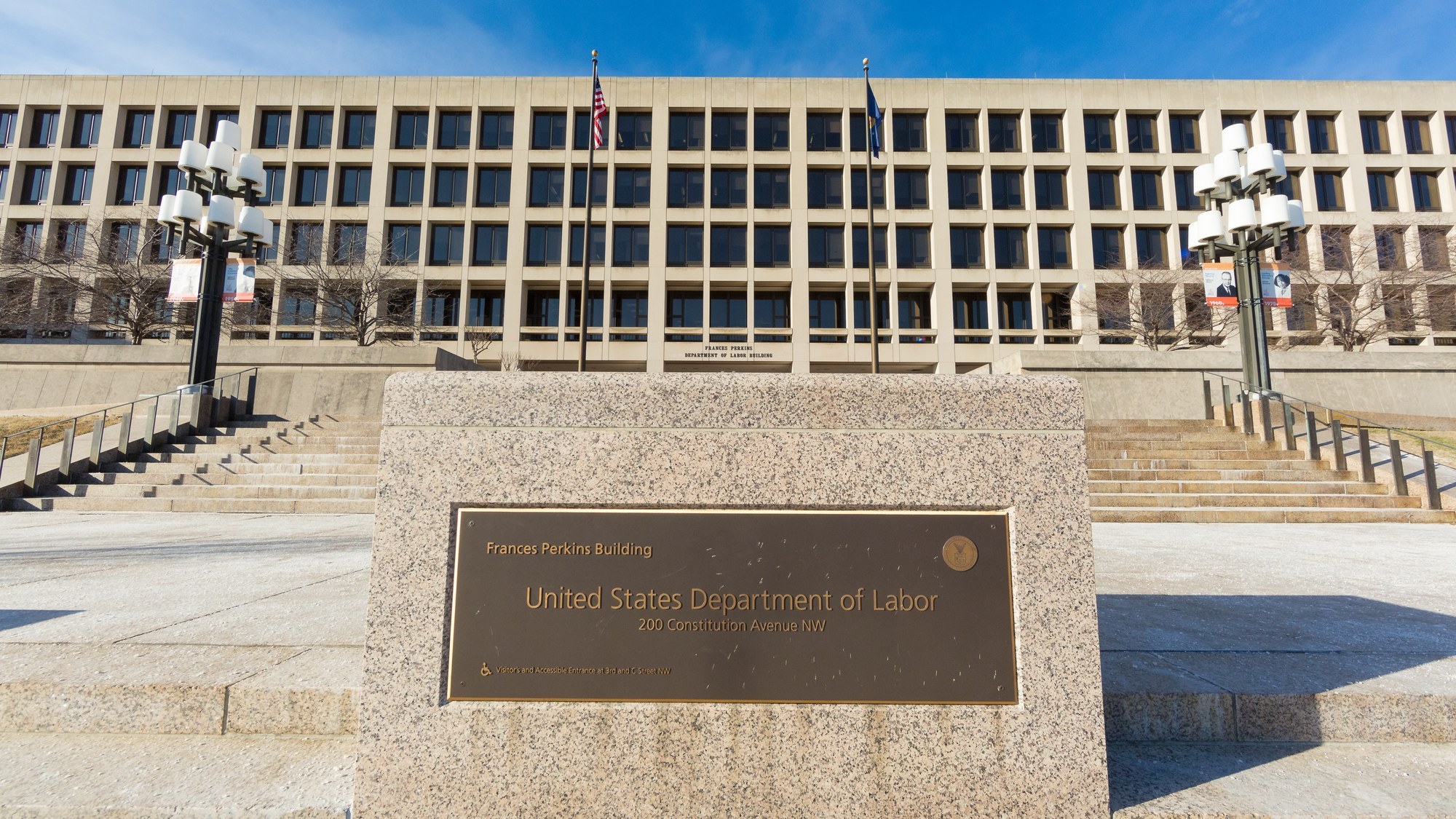
The simultaneous effective date across all three jurisdictions means businesses in each region had to update payroll systems, revise posted notices, and recalculate labor budgets on the same calendar day. In D.C., the Office of Wage-Hour Compliance reported that the standard minimum wage rose to $18.40 and the tipped-employee base minimum wage climbed to $10.30, with details posted on its minimum wage guidance. That $8.10 spread between the two rates is one of the largest tipped credits in the country, and it creates a direct financial incentive for employers to keep tipped workers on shorter shifts rather than convert them to full-time schedules.
Because the tipped base is more than $3 above the federal minimum wage, D.C. restaurants and bars face higher upfront payroll costs even before counting gratuities. Employers must still ensure that each tipped worker’s combined base pay and tips average at least $18.40 per hour over the pay period. If tips fall short, the business is legally obligated to make up the difference, effectively turning the tipped credit into a contingent liability that managers must monitor shift by shift.
Oregon took a different approach. The state’s Bureau of Labor and Industries published three regional rates for the period running from July 1, 2026, through June 30, 2027: one rate for the Portland metro area, a standard rate for most of the state, and a lower nonurban rate for rural counties. Oregon does not allow a tip credit at all, so every tipped worker in the state earns the full minimum regardless of gratuities. That distinction matters because it removes the scheduling calculus that D.C. employers face when deciding how many hours to assign tipped staff and simplifies payroll compliance for small businesses.
Alaska also raised its minimum wage on July 1, though the state’s Department of Labor has not published the same level of regional detail. The exact new hourly rate and any tier structure were not specified in the primary documents currently available from Alaska’s labor agency. Without those figures, analysts cannot yet compare Alaska’s floor directly to D.C.’s or Oregon’s, but the coordinated timing still forces Alaska employers to adjust pay practices alongside their West Coast counterparts.
How D.C.’s $18.40 rate and Oregon’s three tiers compare
D.C.’s $18.40 figure stands well above the federal floor of $7.25, which has not changed since 2009. The district’s wage law ties future increases to inflation, so the 2026 rate reflects years of automatic annual adjustments rather than a single large jump. For employers in the restaurant and hospitality sectors, the tipped base of $10.30 still requires them to make up the difference if a worker’s tips do not bring total hourly compensation to $18.40. The Office of Wage-Hour Compliance has posted multilingual notice posters that businesses must display, and it accepts complaints and inquiries through its online service portal, giving workers a direct channel to report underpayment.
Oregon’s tiered system recognizes that labor costs in downtown Portland differ sharply from those in rural Harney or Malheur counties. By setting distinct rates for Portland metro, standard, and nonurban areas, the state tries to balance higher living costs in cities against tighter margins for small-town businesses. Because Oregon bars any tip credit, a server in Portland and a server in Bend both receive at least the full local minimum wage in cash wages, with tips truly functioning as a supplement rather than a substitute for base pay.
For workers, the contrast between D.C. and Oregon highlights two competing policy goals. D.C.’s large tipped credit allows restaurants to keep posted menu prices somewhat lower while still promising a high overall hourly compensation, but it leaves earnings more dependent on customer traffic and tipping habits. Oregon’s model delivers more predictable paychecks for service workers but can raise operating costs for employers in low-margin sectors, especially in rural areas where the nonurban rate still exceeds what some small businesses had been paying.
In all three jurisdictions, the July 1 changes are likely to ripple through hiring decisions over the coming months. Some employers may trim hours, rely more on part-time scheduling, or delay expansion plans to offset higher wage bills. Others may lean into higher pay as a recruiting tool in tight labor markets, betting that better retention and productivity will balance out the added expense. For low-wage workers, the new rates represent an immediate boost in gross income, but the long-term impact will depend on how many hours they are ultimately offered and how strictly wage laws are enforced.