Thousands of American retail workers and shoppers face growing disruption as U.S. store closures accelerate through 2026. With roughly 1,200 shutdowns already announced and the annual pace tracking toward nearly 7,900, the pressure is hitting both specialty boutiques and large-format convenience chains. Two of the most concrete cases so far involve francesca’s, which filed for Chapter 11 bankruptcy and began liquidating its entire store fleet, and 7-Eleven, whose North American operator disclosed plans to shut 645 locations this fiscal year.
Why the 2026 closure count is accelerating
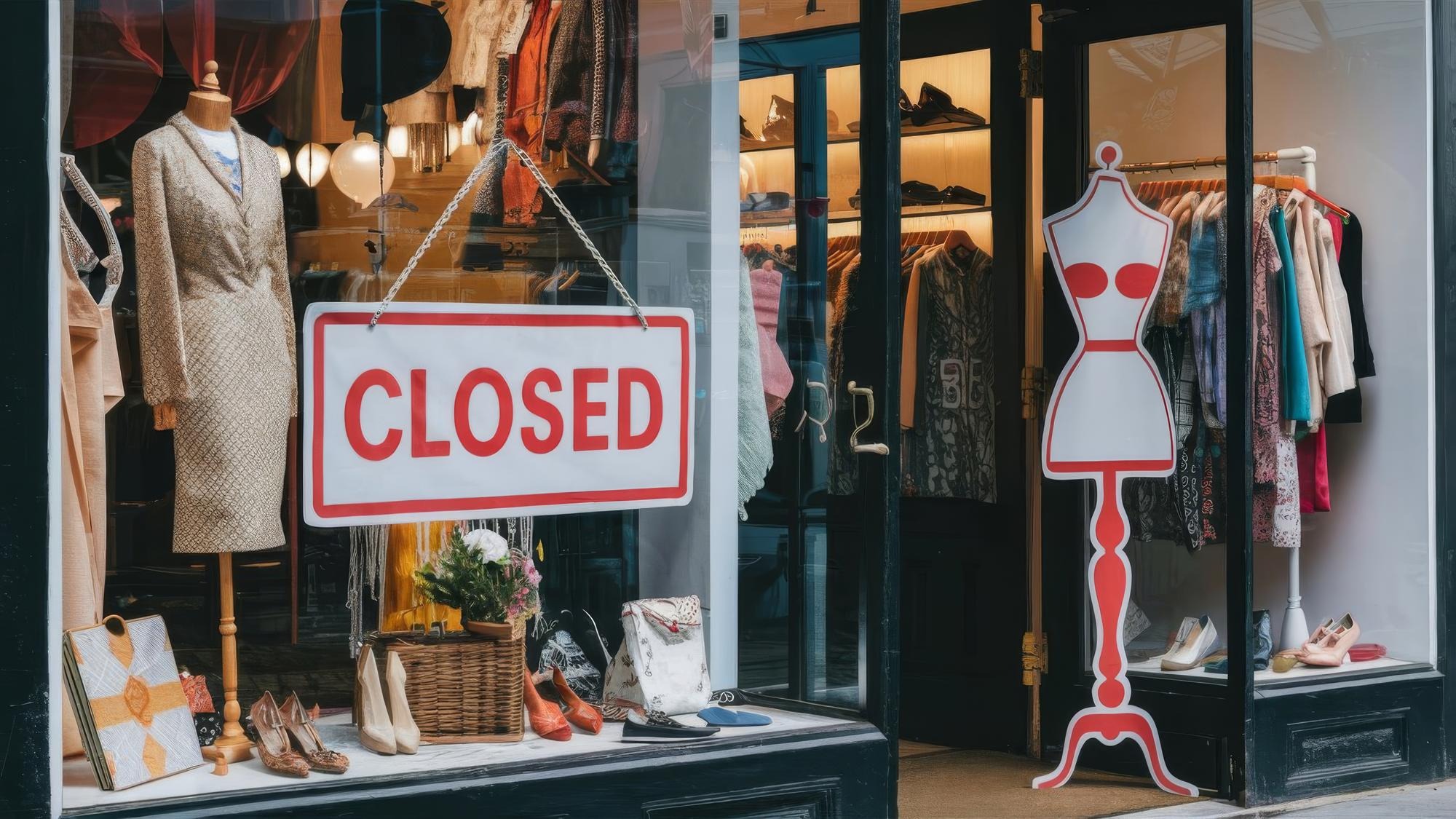
The speed of announcements in early 2026 sets this year apart from recent cycles. francesca’s did not attempt a partial restructuring or selective pruning. The women’s clothing and accessories chain filed Chapter 11 and launched store-closing sales across its entire fleet, signaling a full exit from brick-and-mortar retail rather than a staged downsizing. That kind of all-at-once liquidation adds dozens or hundreds of locations to the closure count in a single stroke.
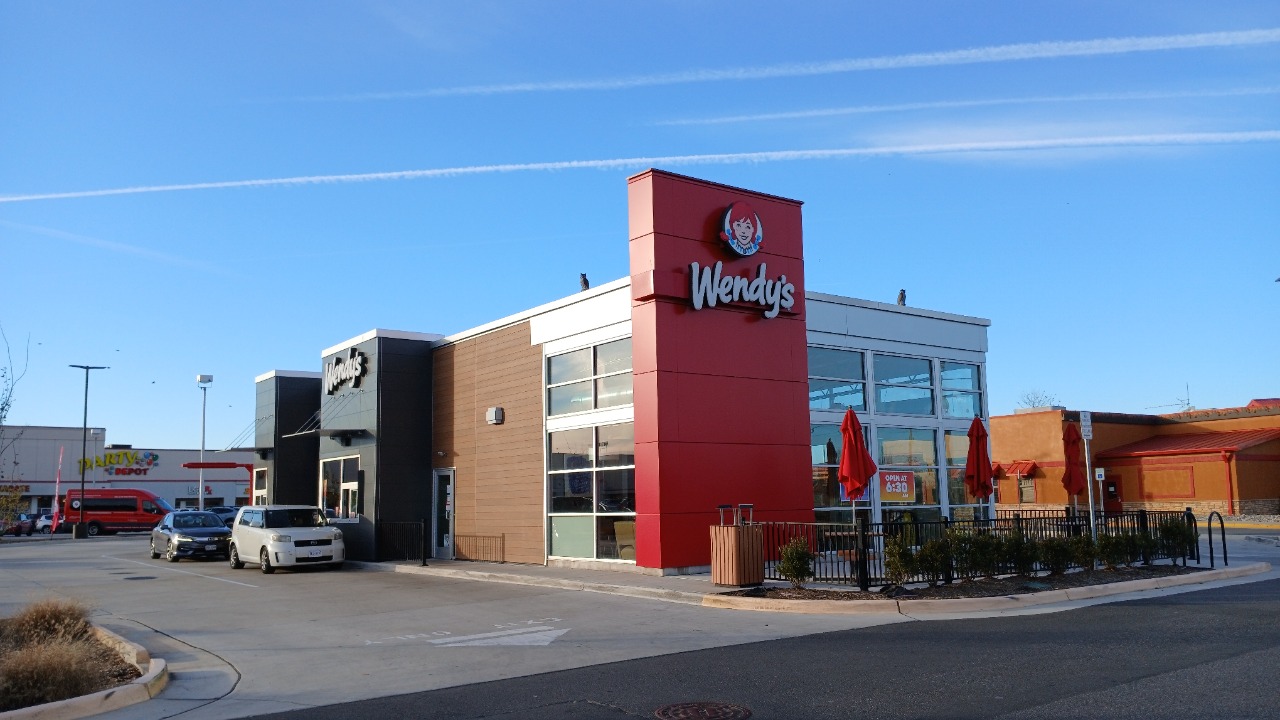
Separately, 7-Eleven’s North American operator disclosed that it plans to close 645 stores in fiscal 2026, a figure traced to earnings filings published last week, according to the Associated Press. The convenience chain’s decision reflects weak unit-level performance rather than a bankruptcy event, which means the closures are strategic cuts by a solvent company trimming underperforming locations.
These two cases alone account for a significant share of the publicly confirmed shutdowns so far. The contrast between them is telling: one chain is winding down entirely under court supervision, while the other is selectively pulling back from locations that no longer justify their lease and labor costs. Both paths lead to the same outcome for the communities that lose those stores, including fewer nearby shopping options, lost jobs, and vacant storefronts that can take months or years to backfill.
A reasonable hypothesis is that many of these closures will cluster in suburban strip centers rather than enclosed malls. francesca’s and 7-Eleven both operate heavily in open-air retail formats, and strip-center vacancy rates have been rising as smaller tenants struggle with rent increases and shifting foot traffic. Testing that pattern would require cross-referencing announced store addresses against county commercial zoning records, a step that researchers and real estate analysts could take as more addresses become public.
Earnings filings and bankruptcy records behind the numbers
The strongest evidence for the 2026 closure wave comes from two distinct types of primary documents. For francesca’s, the anchor record is the company’s own Chapter 11 filing and the accompanying announcement that store-closing sales had begun across its full network. The company distributed that disclosure through a newswire platform, making it a direct, on-the-record corporate statement rather than a secondhand report.
For 7-Eleven, the 645-store figure originates in earnings filings from the chain’s North American operator. The Associated Press attributed that number to filings published last week, providing a clear paper trail back to official financial disclosures. Earnings filings carry legal weight because publicly traded operators must report material changes to their operations, including large-scale store closures, in a timely and accurate way.
Taken together, bankruptcy court documents and securities filings form a complementary view of the retail landscape. Bankruptcy petitions and related motions reveal which chains have exhausted their financing options and are moving into liquidation or court-supervised restructuring. Earnings reports and investor presentations, by contrast, show how still-solvent retailers are adjusting their footprints in response to sales trends, labor costs, and real estate pressures.
Analysts tracking the 2026 closure count can therefore triangulate between these sources: tallying locations explicitly listed in bankruptcy schedules, adding announced pruning from earnings calls, and watching for follow-on disclosures as landlords and lenders update their own portfolios. While there is always a lag between initial announcement and final shutdown, the underlying documents provide a reliable baseline for estimating the eventual impact.
What it means for workers, landlords, and communities
The immediate consequences of this closure wave are most visible for front-line workers. Store-level employees at francesca’s face a definitive end date as liquidation sales wind down and leases expire. At 7-Eleven, affected staff may see a mix of transfers and layoffs, depending on whether nearby locations can absorb displaced workers. In both cases, the short notice typical of retail shutdowns makes it difficult for employees to line up comparable roles quickly.
Landlords, particularly owners of smaller strip centers, must contend with sudden gaps in rent rolls. A departing convenience store can leave a large, highly visible vacancy that dampens traffic for neighboring tenants. Specialty apparel spaces, like those occupied by francesca’s, are often built out to brand-specific specifications, which can slow the backfill process and require additional capital to reconfigure.
For local governments, the closures pose a quieter but significant challenge. Sales tax collections can dip as spending shifts online or to more distant shopping districts, while vacant storefronts may contribute to perceptions of decline. Economic development agencies often step in to market high-profile vacancies, but success depends on broader demand for retail space and the willingness of expanding chains to enter affected markets.
Over the next several quarters, the pace of announcements from both distressed and healthy retailers will determine whether 2026 becomes an outlier or simply the latest step in a long structural adjustment. What is already clear from the francesca’s bankruptcy and 7-Eleven’s planned cuts is that very different business situations can produce the same outcome on the ground: fewer open doors for shoppers and a more precarious landscape for the people who work in American stores.