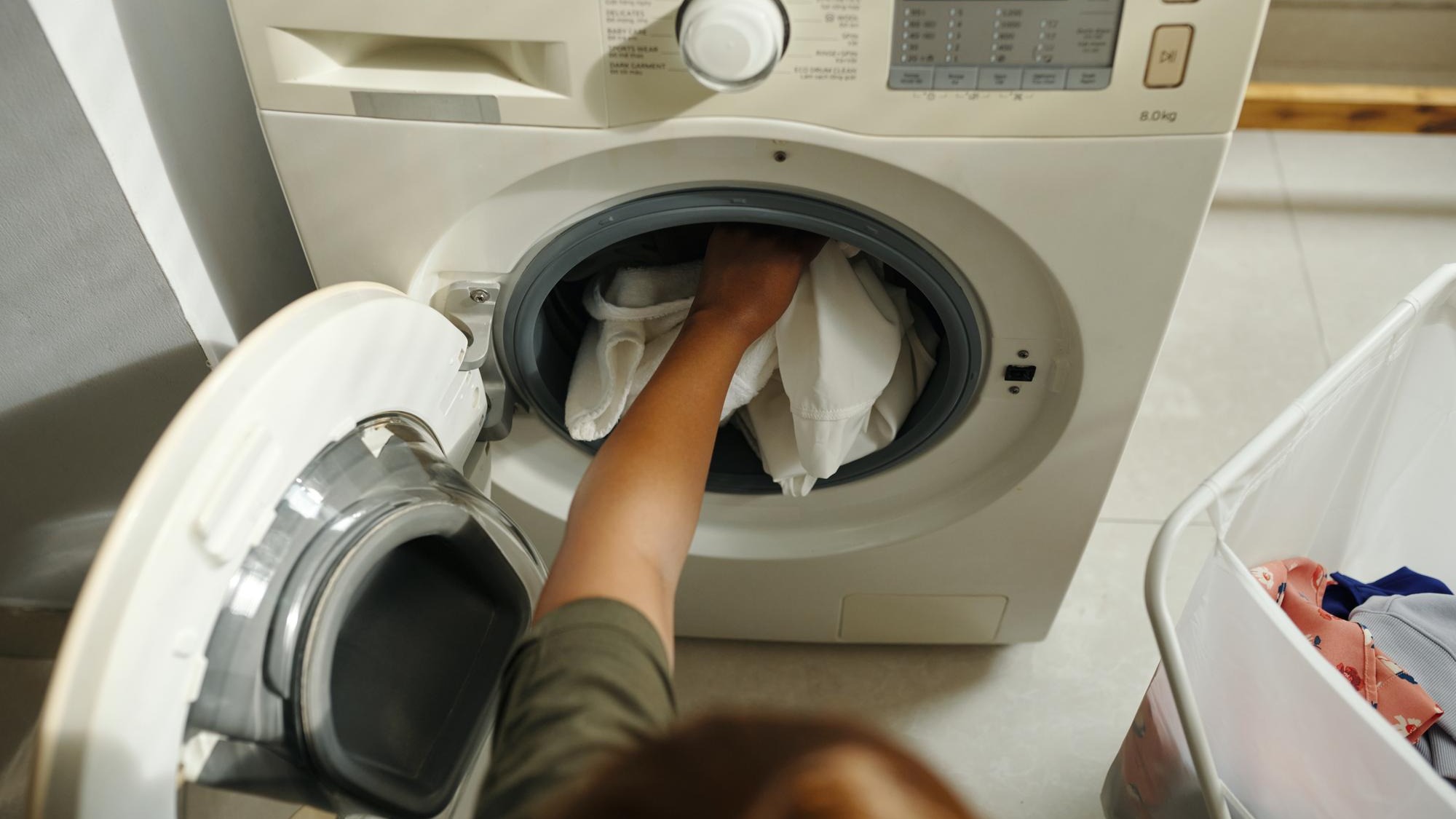
Millions of Americans swipe a debit or credit card at a shared laundry machine every week without thinking twice about where that data goes. Last summer, they got an uncomfortable answer. CSC ServiceWorks, the company behind roughly one million networked washers and dryers in apartment buildings, college dorms, and laundromats across all 50 states and parts of Canada, disclosed that a data breach had exposed sensitive personal information, including Social Security numbers, dates of birth, and mailing addresses.
Now, law-firm advertisements and consumer-advocacy posts circulating on social media say affected individuals can file claims worth up to $5,000, with a deadline of July 2. The company’s own breach notification letter, filed with the Commonwealth of Massachusetts, confirms the scope of the exposure. But several key details about the claims process, including the dollar cap and the deadline, have not appeared in any court order or official settlement notice reviewed for this report.
Here is what the public record actually shows, what remains unverified, and what you should do right now to protect yourself.
What the Massachusetts filing confirms
CSC ServiceWorks submitted a formal breach notification to Massachusetts regulators, and the state published it in its August 2024 index of data breach notices. Under Massachusetts law, companies must accurately describe the categories of personal information involved when they report a breach. The CSC letter identifies Social Security numbers, dates of birth, and physical addresses among the compromised data.
That combination is especially dangerous. A Social Security number paired with a date of birth is often enough to open new credit accounts, hijack existing ones, or file fraudulent tax returns. For the people affected, this is not a minor inconvenience. It is the kind of exposure that can take months or years to fully unwind.
CSC ServiceWorks installs and manages coin-operated and card-operated laundry machines in apartment complexes, university housing, and laundromats nationwide. The company serves properties in all 50 states and parts of Canada, so the pool of potentially affected consumers is large. Its systems handle payment transactions at scale, meaning the breach may have touched not just identity records but also financial data tied to routine laundry payments. The Massachusetts filing does not specify whether payment card numbers were among the exposed data types. Consumers who used cards at CSC machines should monitor their bank and credit card statements closely but should not assume card data was compromised without further confirmation.
It is also worth noting that CSC ServiceWorks faced a separate, widely reported cybersecurity issue in 2024. Security researchers disclosed a vulnerability in the company’s internet-connected machines that allowed users to bypass payment entirely, a flaw covered by outlets including TechCrunch and BleepingComputer. That vulnerability is a distinct issue from the data breach, but together the two incidents raise questions about the company’s broader security practices.
What has not been confirmed
The $5,000 figure and the July 2 deadline have been widely repeated in law-firm advertisements and social media posts aimed at potential class members. Some of these posts have gone viral on platforms like TikTok and X. Yet no court filing, settlement administrator website, or official CSC ServiceWorks statement reviewed for this article spells out the legal basis for that dollar amount, defines who qualifies, or describes how funds would be distributed.
No specific class-action complaint tied to this breach has been located in publicly available federal or state court dockets as of June 2026. That does not necessarily mean no lawsuit has been filed. Data-breach class actions are sometimes filed in state courts where docket searches are less centralized, or they may be in early stages that have not yet produced public settlement documents. But without a confirmed case number, a named lead plaintiff, identified class counsel, or a court-appointed settlement administrator, the claims circulating online cannot be independently verified. If you encounter a law firm advertising the $5,000 figure, ask for the case name, docket number, and the court in which the action was filed before sharing any personal information.
The total number of affected individuals also remains undisclosed in the Massachusetts filing, and that number matters. In most data-breach settlements, a fixed pool of money is divided among everyone who submits a valid claim. When participation is high, individual payouts can shrink well below the advertised ceiling. The phrase “up to $5,000” likely represents a maximum for claimants who can document significant out-of-pocket losses, not a flat check for every participant.
Other open questions: How did CSC ServiceWorks discover the intrusion? How long did unauthorized access last? What technical fixes has the company put in place since? The notification letter confirms that regulators and consumers were informed, but it does not describe the attack vector or the specific systems involved.
How to verify the claims process before you submit anything
Before entering personal information on any website promising a payout, look for an official settlement website or a notice from a court-appointed claims administrator. Legitimate settlement portals are typically referenced in court orders and linked from regulator communications. They are not promoted through unsolicited emails, random social media ads, or viral posts.
A genuine settlement notice will outline who is eligible, what documentation is required, how to submit a claim online or by mail, and what categories of losses (out-of-pocket expenses, time spent dealing with fraud, identity-monitoring costs) may be reimbursed. If you cannot find such a notice through a court docket or a state attorney general’s office, proceed with extreme caution. Scammers routinely piggyback on real breaches to harvest the very data that was already compromised.
You can also contact CSC ServiceWorks directly to ask whether you were among those notified and whether the company has established any claims or restitution process. If you received a breach notification letter from CSC, keep it. That letter is your strongest proof of eligibility if a formal settlement does materialize.
What to do right now, regardless of any settlement
Whether or not a formal claims process materializes at the reported dollar amount, the underlying data exposure is real and documented. Consumers who received a CSC ServiceWorks breach letter, or who believe their information may have been involved, should take several steps immediately:
- Pull your free credit reports. You are entitled to free weekly reports from Equifax, Experian, and TransUnion through AnnualCreditReport.com. Look for accounts or inquiries you do not recognize.
- Place a fraud alert or credit freeze. A fraud alert requires creditors to verify your identity before opening new accounts. A freeze blocks new credit applications entirely until you lift it. Both are free and can be set up online in minutes.
- Review your original breach letter carefully. Many breach responses include complimentary identity-monitoring or credit-restoration services. Check whether CSC offered such tools and whether the enrollment window is still open. If you discarded the letter, contact CSC ServiceWorks to request a copy or confirmation of any offered benefits.
- Document everything. Save copies of breach notices, screenshots of any settlement portals you visit, and receipts for any fraud-related expenses. If a formal claims process does open, this paperwork will strengthen your submission and help you demonstrate actual losses.
- Watch for phishing attempts. Breached data often ends up fueling targeted scams. Be skeptical of emails, texts, or calls that reference the CSC breach and ask you to “verify” personal details or click unfamiliar links.
Why the gap between the advertised payout and the public record matters for your next move
The official record establishes that sensitive personal data was exposed and that Massachusetts regulators were notified in mid-2024. Whether that exposure translates into meaningful financial recovery for individuals depends on legal developments that, as of June 2026, are not fully documented in publicly available primary sources. No confirmed class-action docket, no named settlement administrator, and no court-approved distribution plan have been located.
The $5,000 figure and the July 2 deadline may prove accurate once a court order or administrator notice is published, but right now they rest on secondary reporting rather than verified legal documents.
That does not mean you should ignore the deadline. If a legitimate claims portal exists and you were affected, waiting too long could forfeit your right to compensation. The safest approach: verify the process through official channels, protect your credit and identity in the meantime, and treat any advertised payout number as a ceiling rather than a guarantee. The breach is real. The money might be, too. But confirm before you click.