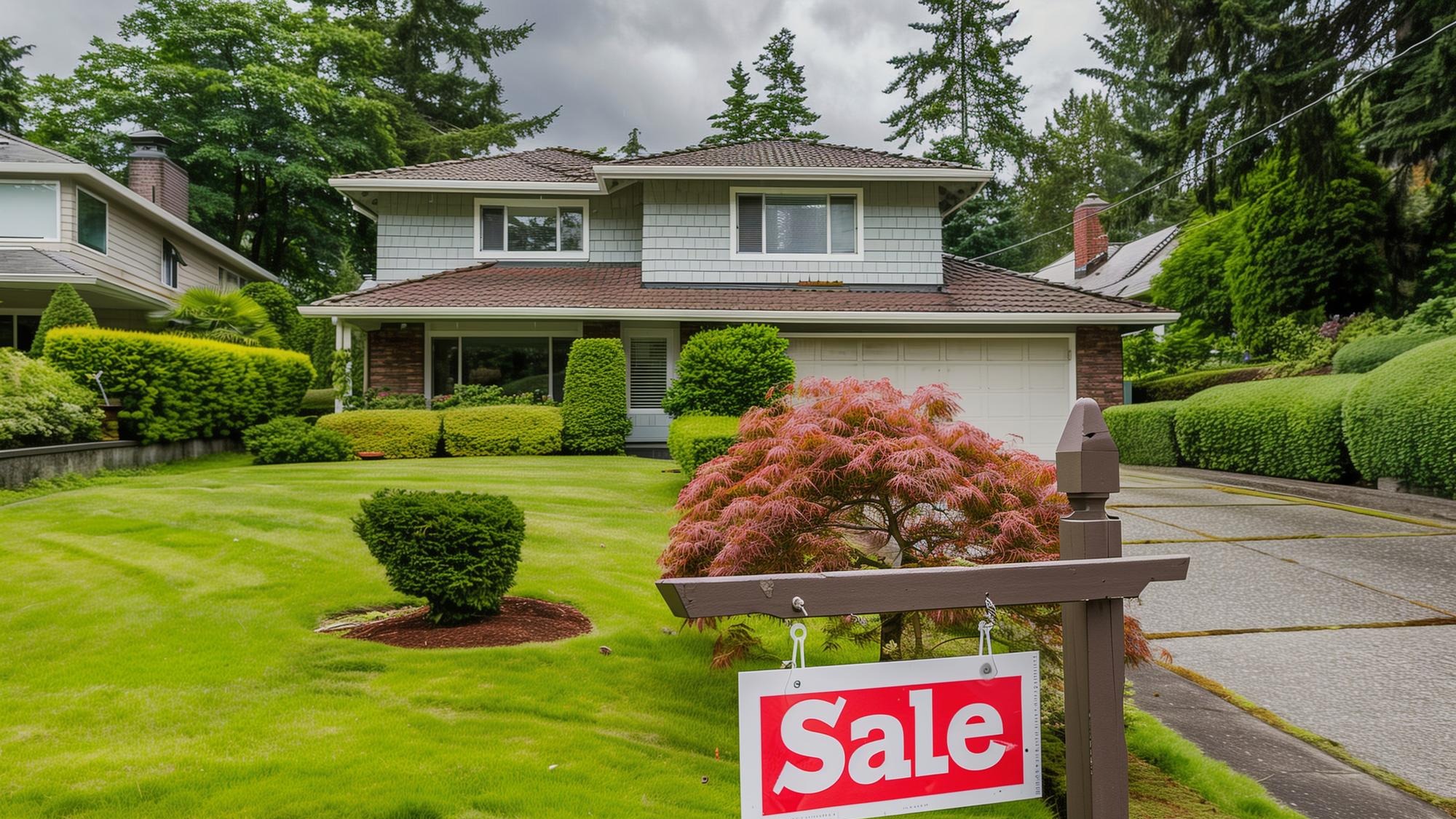
Homes across the country kept getting more expensive in April 2026, stretching an unbroken streak of year-over-year price gains to 34 months. The national median sales price rose 1.5 percent compared with a year earlier, according to RE/MAX’s April 2026 National Housing Report. That streak now reaches back to mid-2023, having survived a mortgage rate shock, a pandemic-era hangover, and a correction that forecasters predicted but that never showed up.
The prices kept climbing, but the buyers largely did not. Sales during the month ran near a 4 million annualized pace, hovering close to a nine-month low, according to the Associated Press. The AP reporting does not specify whether that figure captures existing-home sales alone or includes new construction closings, a distinction that affects how the pace compares to historical benchmarks. At the same time, the RE/MAX report showed the number of homes available for sale at its highest April level since 2019, a trajectory consistent with the inventory recovery that the National Association of Realtors had been tracking through late 2025. Sellers are listing. Buyers, squeezed by rates and prices alike, are holding back.
More listings, fewer closings
Spring is supposed to be the real estate market’s peak season. This year, it has been sluggish. New listings outpaced closed sales in April, pushing the total number of homes on the market higher. Yet most metros in the RE/MAX sample still posted year-over-year price increases, which suggests the slowdown is rooted in buyer hesitation rather than seller desperation.
The rate environment explains much of that hesitation. Mortgage rates have spent most of 2026 in the high-6 to low-7 percent range, according to Freddie Mac’s Primary Mortgage Market Survey, keeping monthly payments steep even on modestly priced homes. Meanwhile, millions of existing homeowners are sitting on loans they locked in at 3 to 4 percent during 2020 and 2021. Researchers at the Federal Reserve Bank of Dallas have called this the “lock-in effect”: owners who would otherwise sell and move are staying put because trading their current rate for today’s would cost them hundreds of dollars a month.
That dynamic creates a strange contradiction. Inventory is growing on paper, but much of the increase is concentrated in higher price tiers and in regions where homebuilders have been adding supply. Entry-level homes, the segment where first-time buyers compete most fiercely, remain hard to find in many metros, according to inventory breakdowns tracked by Realtor.com’s research team.
Small gains, real costs
A 1.5 percent annual increase sounds almost flat next to the double-digit surges of 2021 and early 2022. But for a household financing a purchase near 7 percent, even modest appreciation stacks up. Consider a home that sold for $400,000 last April. At 1.5 percent appreciation, that same home lists around $406,000 today. Financed over 30 years at roughly 7 percent, the higher price adds about $40 to the monthly mortgage payment before taxes and insurance. That is nearly $500 more per year, compounding over the life of the loan.
The streak also shapes how people think about timing. Thirty-four months without a single year-over-year decline reinforces the belief that waiting only costs more. That perception pushes some buyers to stretch beyond their comfort zone and keeps others frozen on the sidelines entirely. Neither response is irrational, but both can warp local markets in ways a single national median cannot capture.
What the national numbers hide
A 1.5 percent national gain is an average, and averages smooth over sharp local differences. Sun Belt metros that saw rapid inventory growth through 2025, places like Austin, Phoenix, and parts of South Florida, have already shown flat or softening prices in certain neighborhoods, a pattern visible in listing data from Redfin’s market tracker. Supply-constrained cities in the Northeast and Midwest, where new construction has lagged for years, are likely running hotter than the national figure suggests.
The broader economic picture adds another layer of uncertainty. Tariff-related cost pressures have weighed on consumer confidence heading into summer 2026, and builders have flagged rising material costs as a constraint on new supply. Those headwinds make it harder to predict whether the inventory recovery will continue at its current pace or stall out.
There are also gaps in the data itself. The RE/MAX report draws from its own brokerage network, and the public release does not detail the exact number of metros included or the methodology behind the median calculation. Neither the RE/MAX data nor the AP reporting breaks down the share of all-cash purchases or investor activity, both of which can prop up prices even when traditional buyer demand weakens.
What this actually means for buyers and sellers
For sellers, April’s numbers send a mixed signal. Listing a home still carries a reasonable expectation of appreciation, but the days of multiple offers within a weekend are largely gone outside the most competitive pockets. Homes are sitting longer. Price reductions are showing up more frequently on listing portals. Buyers have at least some leverage they did not have a year ago.
For buyers, the math is harder. Waiting for a meaningful price drop has not paid off at any point during the 34-month streak, and mortgage rates would need to fall substantially to offset even modest future appreciation. But the growing inventory does create more choices and, in some markets, more room to negotiate on closing costs, repairs, or contingencies. That leverage may not show up in the national median, but it can show up in the final terms of a deal.
The most useful signals right now are local, not national. How many comparable homes are sitting unsold in a given ZIP code? How often are sellers cutting their asking price? Are open houses drawing crowds or empty rooms? In a market where inventory is finally building but prices refuse to buckle, those on-the-ground details will tell a buyer or seller far more than any single monthly report.