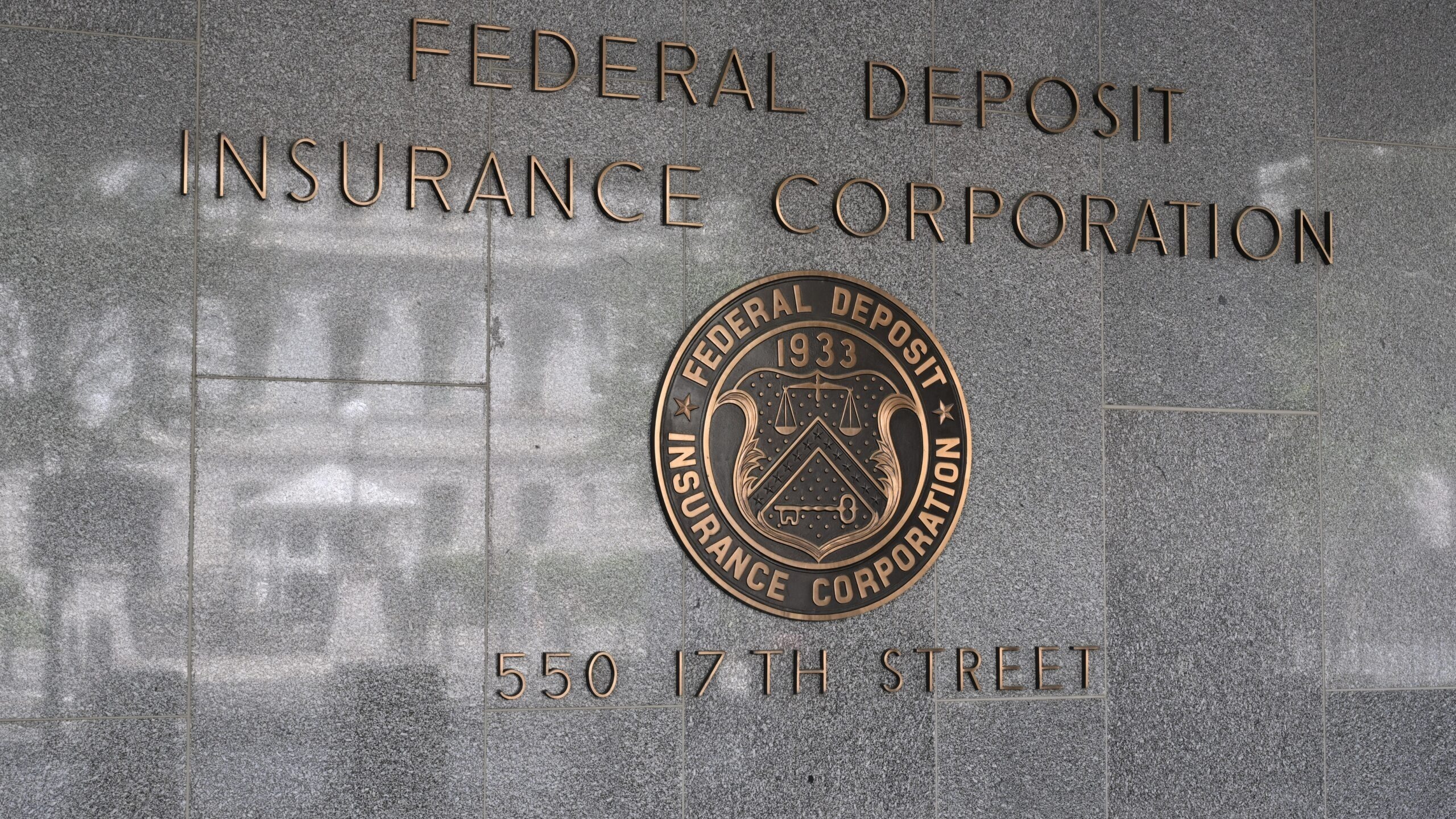
Business owners and individuals who were cut off from banking services because their work was legal but politically unpopular now have a federal rule on their side. The FDIC and the Office of the Comptroller of the Currency published a final rule, effective after its April 10, 2026 appearance in the Federal Register, that bars regulators from requiring, instructing, or encouraging banks to close customer accounts based on protected beliefs, speech, or lawful business activity. The change targets a supervisory concept called “reputation risk” that allowed examiners to pressure banks into dropping clients whose industries or viewpoints drew controversy, even when no safety‑and‑soundness concern existed.
Why the reputation‑risk ban changes the calculus for banks and customers
For years, federal examiners could flag a bank’s relationship with a lawful business as a reputational liability. That designation carried real weight: banks facing examiner criticism often chose to terminate accounts rather than defend them. The result was a pattern sometimes called “debanking,” where firearms dealers, cryptocurrency firms, adult‑entertainment businesses, and politically outspoken individuals lost access to basic financial services without any allegation of illegal conduct.
The new rule removes that lever. FDIC Chairman Travis Hill, in his statement on the final rule, said reputation risk in supervision “can be subjective and untethered from traditional risk channels.” His comments, detailed in the chairman’s statement, suggest the agency recognized that examiner discretion had drifted well beyond its original purpose, turning a vague risk category into a tool for restricting access to the banking system. The FDIC’s implementing guidance, released as a financial institution letter, spells out the prohibition in direct terms: agencies may not use reputation risk as a basis for supervisory action that pressures account closures.
Under the rule, examiners remain free to scrutinize traditional risk channels such as credit quality, liquidity, compliance, and operational resilience. What they may no longer do is conflate public controversy with prudential weakness. A bank can still decline a customer if it concludes the client poses money‑laundering, fraud, or credit concerns, but regulators cannot demand or nudge that outcome solely because a lawful line of business is unpopular.
Whether banks respond by reopening doors to previously shunned sectors is the practical question. One testable prediction is that aggregated call‑report data and examination summaries will show a measurable uptick in account openings for industries that had been flagged, detectable within six to twelve months. No public dataset yet tracks this specific metric, so the earliest signals will likely come from quarterly bank filings and any shifts in complaint volumes reported through channels such as the OCC’s consumer assistance portal. Trade associations representing affected sectors are also likely to monitor account denials and closures more systematically now that a clear regulatory standard exists.
How the FDIC, OCC, and Federal Reserve built the rule
The final rule did not arrive in isolation. The OCC announced in 2025 that it would stop examining institutions for reputation risk entirely and would strip related references from its guidance and handbooks. That earlier step, laid out in an OCC news release, set the stage for a binding regulation rather than a simple policy memo and signaled to banks that the concept was being retired, not merely rebranded.
The Federal Reserve Board followed a parallel track, issuing a February 23, 2026 request for public comment on a proposal to codify the same removal of reputation risk from its own supervisory framework. That Fed proposal reiterated the principle that banks should not be penalized for serving customers engaged in legal activity and aligned the central bank with the other prudential regulators on the core idea that reputation‑based pressure is out of bounds.
Coordination among the agencies was formalized through the joint rulemaking process. According to the FDIC’s press announcement, the final text reflects a multi‑year review of how reputation risk had been applied in practice, including episodes where examiners’ concerns about public criticism led to informal but potent suggestions that banks exit entire customer categories. The agencies concluded that this approach was inconsistent with both safety‑and‑soundness principles and longstanding expectations that banks provide services on a neutral, risk‑based basis.
The rule also responds to public comments from civil‑liberties advocates, industry groups, and consumer organizations that warned of the chilling effects of debanking. Commenters argued that when lawful businesses lose access to payment systems, payroll accounts, and basic checking services, the result is not just commercial inconvenience but effective exclusion from the modern economy. The agencies ultimately agreed that any decision to limit access should rest on demonstrable financial or compliance risks, not on reputational discomfort.
What banks, customers, and advocates should watch next
Implementation now moves from rule text to examination rooms. Banks will be revising internal policies to ensure they can document risk‑based rationales for account decisions, anticipating that customers may challenge closures they perceive as reputation‑driven. Examiners, in turn, will need training and updated manuals so that informal comments do not slip back into the old pattern of suggesting exits from controversial sectors.
Customers who believe they have been debanked will have clearer grounds to complain. They can ask institutions to identify the specific risk factors underlying an account decision and may point to the new rule when filing grievances with regulators or pursuing legal remedies. Advocacy groups are likely to test these avenues in early cases, seeking precedents that clarify how far the prohibition on reputation‑based pressure extends.
The broader policy experiment is whether a more neutral supervisory posture can coexist with robust risk management. If banks demonstrate that they can serve contentious industries while maintaining strong compliance and controls, the reputation‑risk ban may become a durable feature of U.S. banking oversight. If not, future regulators could look for new, more narrowly tailored tools-grounded in concrete risks rather than public perception-to police the boundary between lawful commerce and the financial system.