David Keller

David M. Keller is a finance writer based in Columbus, Ohio, covering personal finance and consumer-focused economic topics. He earned his degree in journalism from Ohio University and began his career reporting on local business and economic trends for a regional media outlet. Since then, he has contributed to a variety of online publications, focusing on clear, practical coverage of topics such as cost of living, debt, and everyday financial decision-making.

a group of people sitting around a table eating food

A reverse mortgage can free up cash in retirement, but the loan and interest come due when you leave the home.

A reverse mortgage is often pitched to older homeowners as a way to turn a paid-off house into spendable cash without ever writing another mortgage check. For a retiree stretching a fixed income, that pitch can sound like a rescue. The arrangement is real and, used carefully, legitimate — but it is still a loan,…


Read More
Statue of justice, gavel, and open book on table.

A revocable living trust can keep your estate out of probate, sparing heirs months of court delays and public filings.

When someone dies with assets held in their name alone, those assets usually have to pass through probate — the court-supervised process of validating a will and distributing what is left. Probate can drag on for months, generate legal and court fees, and put the details of an estate into the public record. A revocable…

Read More
a group of yellow and orange machines

Cryptocurrency ATMs have become a favorite scam tool, draining more than $257 million from older victims in a single year.

A machine that looks like an ordinary cash dispenser, tucked into a gas station or the corner of a convenience store, has quietly become one of the most effective tools criminals use to steal from older Americans. Cryptocurrency ATMs — kiosks that convert cash into Bitcoin and other digital currency — turn a victim’s own…

Read More
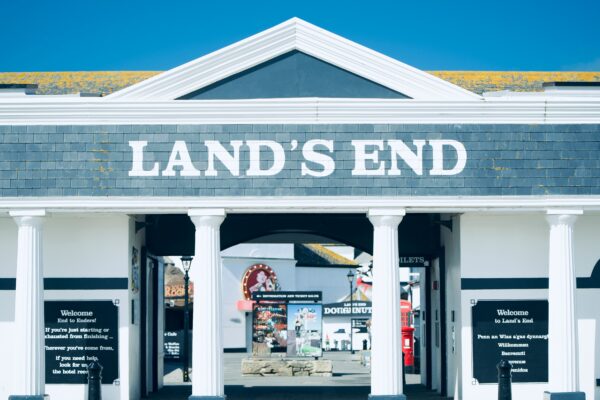
Land's end entrance displays white pillars and signage.

Lands’ End shoppers hit by a 2024 data breach can claim about $60 with no proof, or up to $5,000 for losses, before October 22.

Another corporate data breach has produced another class-action settlement, and this one reaches shoppers of Lands’ End, the Wisconsin-based clothing retailer. The proposed deal would compensate customers whose personal information was exposed in a security incident dating to December 2024, and the window to file is open now. For older shoppers, whose longer credit histories…

Read More
Senior Man Working with Laptop at Home

Roth IRAs require no withdrawals in your lifetime, so the balance keeps growing.

Most retirement accounts come with a government-imposed deadline to start spending them down. Traditional IRAs and 401(k)s let savings grow untaxed for years, but the deferral does not last forever — eventually the tax collector forces annual withdrawals so the postponed tax finally gets paid. One account breaks that pattern entirely. A Roth IRA carries…

Read More
senior businessman with laptop drinking coffee

A 2026 rule forces higher earners to put their 401(k) catch-up money into a Roth, meaning it’s taxed now instead of later.

A new rule taking effect in 2026 quietly changes not how much certain workers can save for retirement, but how that money is taxed on the way in. Higher earners who make catch-up contributions to a workplace plan can no longer route those extra dollars in before taxes. Instead, the contributions must go into a…

Read More
Portrait of two senior Business people working together with computer on the table

The 401(k) limit rises to $24,500 in 2026, and workers 50 and up can add another $8,000 on top.

The amount workers can funnel into a workplace retirement plan is climbing again, and for anyone within striking distance of retirement the increase opens a wider door in the years that count most. The government has lifted the annual 401(k) contribution ceiling for 2026, and layered catch-up allowances let older savers stack thousands of extra…

Read More