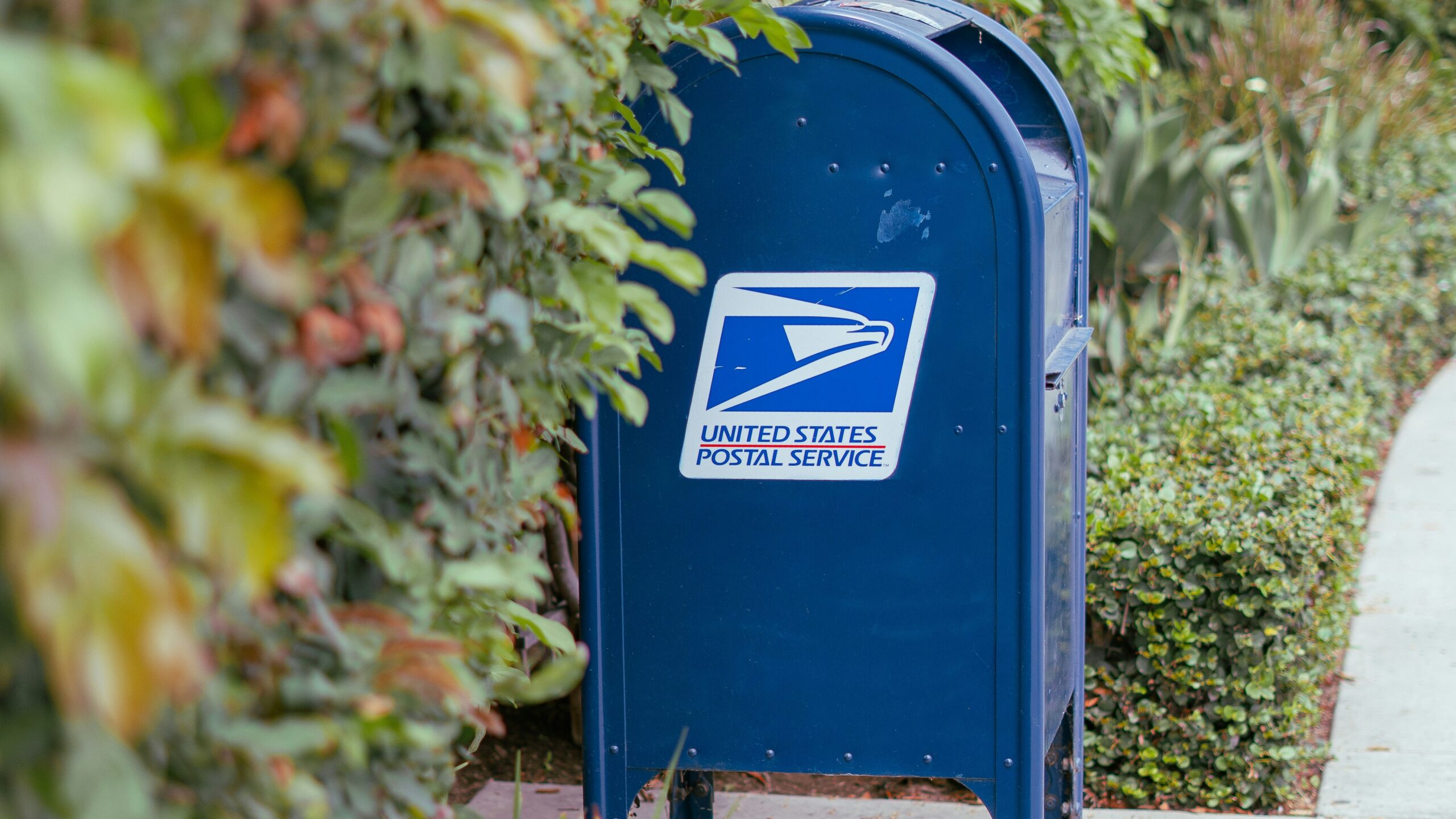
A machine that looks like an ordinary cash dispenser, tucked into a gas station or the corner of a convenience store, has quietly become one of the most effective tools criminals use to steal from older Americans. Cryptocurrency ATMs — kiosks that convert cash into Bitcoin and other digital currency — turn a victim’s own money into a form that is almost impossible to recover the instant it is deposited. Federal data now shows how large the problem has grown, and the losses are concentrated among people over 60.
What the FBI’s latest data shows
Losses tied to these kiosks have climbed sharply as scammers have learned how well they work. The machines themselves are not the fraud — many are operated by legitimate businesses — but criminals steer victims to them because a cash-to-crypto transfer is fast, effectively irreversible, and hard to trace. That combination is exactly what a scammer wants and exactly what a potential target has reason to fear, and it explains why the crypto kiosk has moved to the center of so many schemes aimed at retirees.
According to the FBI’s 2025 Internet Crime Report, Americans aged 60 and older lost about $257.5 million at cryptocurrency ATMs and kiosks over the year, a jump of roughly 58 percent from the prior year. That figure, drawn from complaints filed with the bureau’s Internet Crime Complaint Center, almost certainly understates the true toll, because many victims never report a loss out of embarrassment or because they do not realize a crime occurred until long after the money is gone.
Free for readers: Scam calls targeting retirees change every week. The free Retirement Shield newsletter flags the ones going around and the one tell that stops each. Sign up free.
How the crypto-ATM script works
The scheme almost always begins with an unexpected contact and a manufactured emergency. A caller or a pop-up message impersonates a trusted authority — a government agency, a bank’s fraud department, a utility company, or a computer-support line — and warns that the target’s money or identity is in immediate danger. The Federal Trade Commission’s consumer alert on Bitcoin ATM scams describes the next move: the victim is told the only way to “protect” the money is to withdraw cash and feed it into a nearby cryptocurrency machine. The scammer stays on the line, coaching the target through each step so there is no time to stop and think.
The opening story varies, but the destination is always the kiosk. Some victims are told their bank account has been hacked and that money must be moved to a “safe” or “government-protected” wallet; others are warned of an unpaid tax bill, a compromised Social Security number, a bogus tech-support charge, or a package-delivery problem that spirals into an account “verification.” However it starts, the request funnels toward the same instruction — take out cash and deposit it at a specific machine — and any pitch that arrives at that step is fraudulent by definition, regardless of how official the caller sounds or what number appears on the screen.
The critical trick is the QR code. The scammer supplies a QR code — sent by text or email, or read out to be entered by hand — that the victim scans at the kiosk. That code is simply the address of a digital wallet the criminal controls, so every dollar the machine converts flows straight to the scammer. Because the whole encounter is framed as an urgent rescue, victims often deposit thousands of dollars across several visits before anyone intervenes. Some are coached to keep the reason secret or to invent a cover story for any bank teller who asks why they are withdrawing so much cash.
Why the money almost never comes back
Cryptocurrency is built to be irreversible. Unlike a credit-card charge that can be disputed or a bank wire that a fast-moving bank can sometimes claw back, a completed crypto transfer has no chargeback mechanism and no central authority able to reverse it. Once the cash is converted and sent to the scammer’s wallet, it is typically routed through a chain of other wallets within minutes and cashed out overseas, leaving investigators little to seize. That finality is why the crypto-ATM script is so favored by organized fraud rings and so devastating to the retirees who fall for it, some of whom lose their entire savings over a single afternoon.
That does not make reporting pointless. Even when the cash itself cannot be recovered, a complaint filed with the authorities feeds the case data investigators use to trace wallets, identify the operators behind a machine, and build the prosecutions that eventually shut networks down. Prompt reporting also creates a record for a bank or a family member and, in rare fast-moving cases, may help flag a transfer that has not fully cleared. Silence does the opposite: it lets the same script move on to the next target unchallenged, and it leaves the victim without the paper trail that any later claim or investigation would rely on.
The red flags, and where to report
A few rules cut through every version of the pitch. No legitimate government agency, bank, or utility will ever ask anyone to withdraw cash and deposit it into a cryptocurrency machine, so that instruction alone identifies a scam no matter how convincing the caller sounds. Genuine institutions do not demand secrecy, do not impose countdowns, and do not object to a person hanging up and calling back on an official number. Anyone who has already sent money, or nearly did, should report it right away to the FBI’s Internet Crime Complaint Center and alert their bank, since fast reporting occasionally lets a transaction be flagged before it fully settles.
Prevention rests on a single pause. The scripts work by keeping a target rushed, frightened, and isolated, so the strongest defense is refusing to act on an unexpected call and verifying the claim independently — by phoning the agency or bank directly on a number found on a statement, or by checking with a trusted family member before touching any money. Families can help by talking openly with older relatives about this specific crypto-ATM pattern, because a person who recognizes the script the moment it starts is far less likely to see it through to the kiosk.
Free for readers: Every year, billions in settlements and unclaimed money go unclaimed. The free Retirement Shield newsletter sends the real ones — with deadlines — a couple times a week. Get the free newsletter.
This article was researched and drafted with AI assistance and reviewed against the linked primary sources.