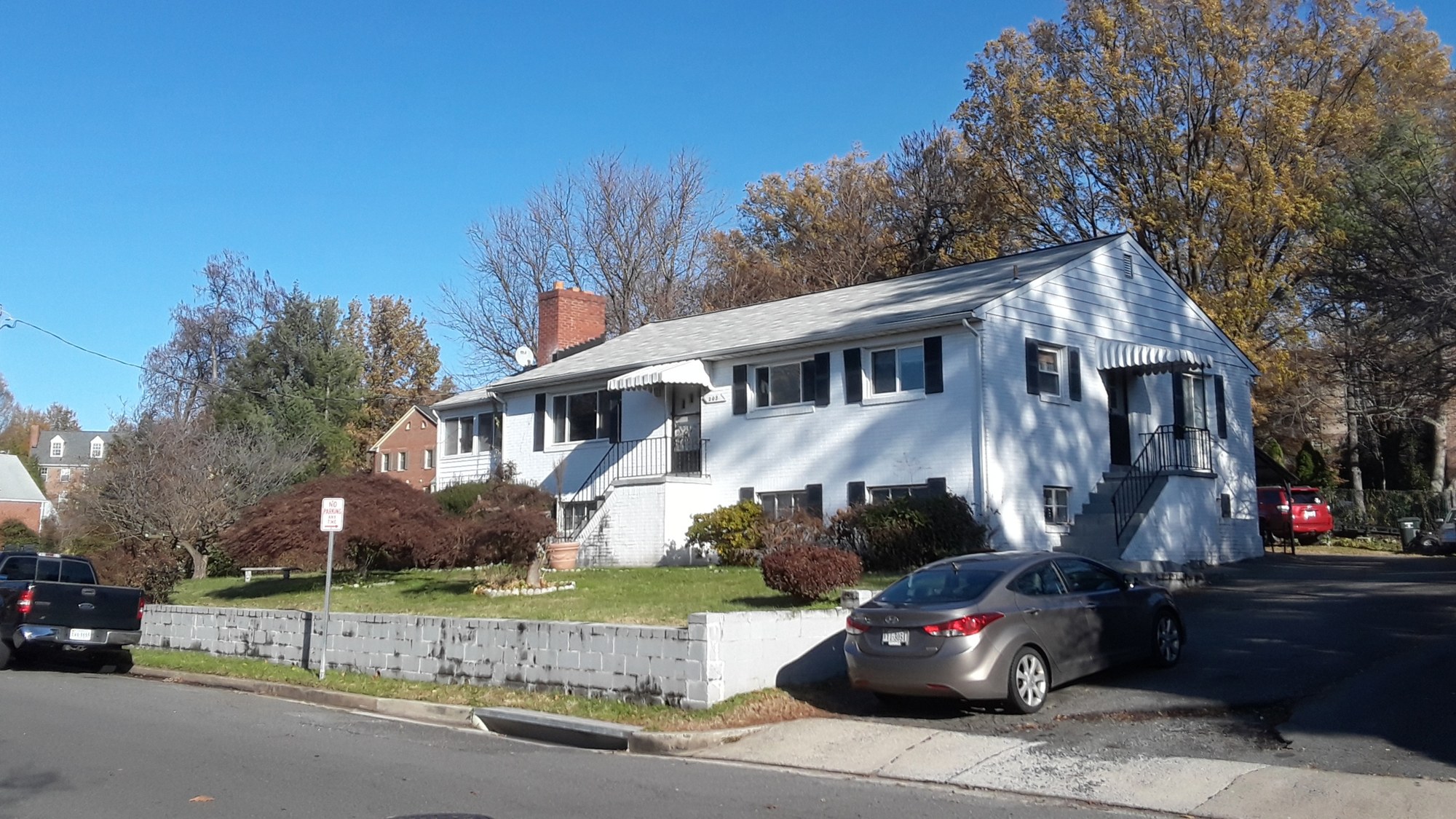
A reverse mortgage is often pitched to older homeowners as a way to turn a paid-off house into spendable cash without ever writing another mortgage check. For a retiree stretching a fixed income, that pitch can sound like a rescue. The arrangement is real and, used carefully, legitimate — but it is still a loan, the balance climbs instead of falling, and the full amount comes due the moment the borrower leaves the home for good.
How a reverse mortgage actually works
The most common version is the Home Equity Conversion Mortgage, a federally insured reverse mortgage available to homeowners age 62 and older. Instead of the borrower paying the lender each month, the lender pays the borrower — as a lump sum, a line of credit, fixed monthly advances, or some combination — drawing against the equity built up in the home over decades. The homeowner keeps the title and continues to live in the house; nothing about ownership changes on the day the loan closes. No monthly repayment is required for as long as the borrower lives in the home as a primary residence, which is the feature that draws in a retiree whose income no longer stretches to cover a traditional mortgage payment. The amount available to draw depends on the youngest borrower’s age, prevailing interest rates, and the home’s appraised value, subject to a federal lending limit, so an older borrower with a valuable, fully owned home can typically access more than a younger one with a smaller house.
What makes the math run backward is the interest. Rather than shrinking with each payment, the loan balance grows as interest and fees pile on top of every dollar already drawn, as the Consumer Financial Protection Bureau explains. Compounding works against the borrower here: the larger the balance grows, the faster it grows, because interest is charged on interest. Over a long retirement, that steady climb can consume a large share of the equity a family once held, leaving less behind for heirs or for a later move to a smaller home or assisted living.
Free for readers: One number can cost or save hundreds a month in retirement. The free Retirement Shield newsletter surfaces the ones worth knowing. Sign up free.
When the loan comes due
A reverse mortgage is not forgiven; it is repaid. The balance becomes due when the last surviving borrower dies, sells the home, or moves out for at least 12 consecutive months, according to the federal program administered by the Department of Housing and Urban Development. A stay in a nursing home or with family that stretches past a year can therefore trigger repayment even if the borrower never intended to leave permanently. At that point the home is typically sold to satisfy the debt, and whatever equity remains after the balance is paid goes to the borrower or the estate. Because these loans are federally insured, they are also generally “non-recourse,” meaning the amount owed can never exceed the home’s value when it is sold. That protection shields heirs from a shortfall if the balance has grown past what the house fetches, and it is a major reason the federally backed version is considered safer than the loosely regulated products that gave the category a bad name decades ago.
The obligations that can trigger default
The absence of a monthly payment does not mean the absence of monthly responsibility. A reverse-mortgage borrower must keep paying property taxes and homeowners insurance and must keep the home in reasonable repair. These are not optional. Falling behind on any of them can put the loan into default and, in the worst case, lead to foreclosure — the same outcome the borrower was trying to avoid. For someone who turned to a reverse mortgage precisely because cash was already tight, the ongoing burden of taxes, insurance, and upkeep is the risk that most often goes underestimated, because it is easy to focus on the money coming in and forget the bills that keep coming due. A spouse who is not listed as a borrower on the loan faces a separate danger, since the protections that let a non-borrowing spouse stay in the home after the borrower dies are limited and depend on meeting strict conditions.
Who it fits, and who should be cautious
The tool tends to work best for someone who intends to stay in the home for many years and needs to supplement income without moving. It works poorly for someone likely to relocate soon, since the substantial upfront costs are then spread over only a short period, and it is a dangerous fit for a household using it to plug a permanent monthly shortfall rather than a defined, temporary gap. Federal consumer regulators urge borrowers to compare the full costs and weigh the alternatives before signing, and anyone weighing one is required to complete counseling with an independent, HUD-approved counselor before the loan can close — a step meant to ensure the borrower understands the fees, the compounding balance, and the effect on any spouse or heirs. Measuring a reverse mortgage against downsizing to a smaller home, a home-equity line of credit, or unclaimed benefits and property-tax relief can reveal a cheaper path and prevent an irreversible decision made under financial pressure.
The bottom line
A reverse mortgage can convert home equity into breathing room, and its federal insurance and non-recourse protection make it far safer than the products that once tarnished the category. But the borrower trades a growing debt and a shrinking inheritance for that cash, and keeps every obligation of ownership except the mortgage payment itself. The money is real, yet it is borrowed, not found. Understanding exactly when the loan comes due, how quickly the balance can compound, and what still has to be paid each year is what separates a reverse mortgage that steadies a retirement from one that quietly erodes it — and often the most valuable first step is simply pricing out the alternatives. For many households, a candid look at income, remaining benefits, and the true long-run cost of the loan reveals whether the cash is worth the equity it consumes.
Free for readers: For plain-English help keeping more money in retirement, the free Retirement Shield newsletter covers scams, benefits, and money owed, a couple times a week. Subscribe free.
This article was researched and drafted with AI assistance and reviewed against the linked primary sources.