A scammer’s preferred payment method is often the one that turns deception into an authorized instruction. Once a victim deliberately presses send, the recovery framework can be far weaker than the dispute process attached to a credit card purchase.
Authorization can survive even when the reason was a lie
The Federal Trade Commission warns that a wire is similar to sending cash: after it is sent, it usually cannot be recovered. Its wire-transfer guidance says these payments lack the same protections as credit cards.
A bank transfer can be “authorized” in the payment-system sense even when a criminal invented the emergency, impersonated a relative or promised a nonexistent investment. The account holder approved the movement; the fraud concerned why the payment was made.
That distinction does not mean every transfer dispute fails. Unauthorized account access, processing errors and some card-funded transactions can trigger different federal or contractual protections. The narrow warning concerns a payment that the owner knowingly initiated after being manipulated.
Free retirement updates: Scam calls targeting retirees change every week. Our free Retirement Shield newsletter flags the ones going around and the one tell that stops each. Sign up free.
Credit cards contain a formal billing-dispute channel
Federal credit-card rules permit disputes for certain billing errors, including unauthorized charges and goods or services not delivered as agreed. The FTC’s credit-card guide describes written dispute rights and timing.
A chargeback is not guaranteed recovery, and debit cards operate under different rules. Still, the credit-card network can stand between the merchant and final payment in a way that an immediate wire or person-to-person transfer often does not.
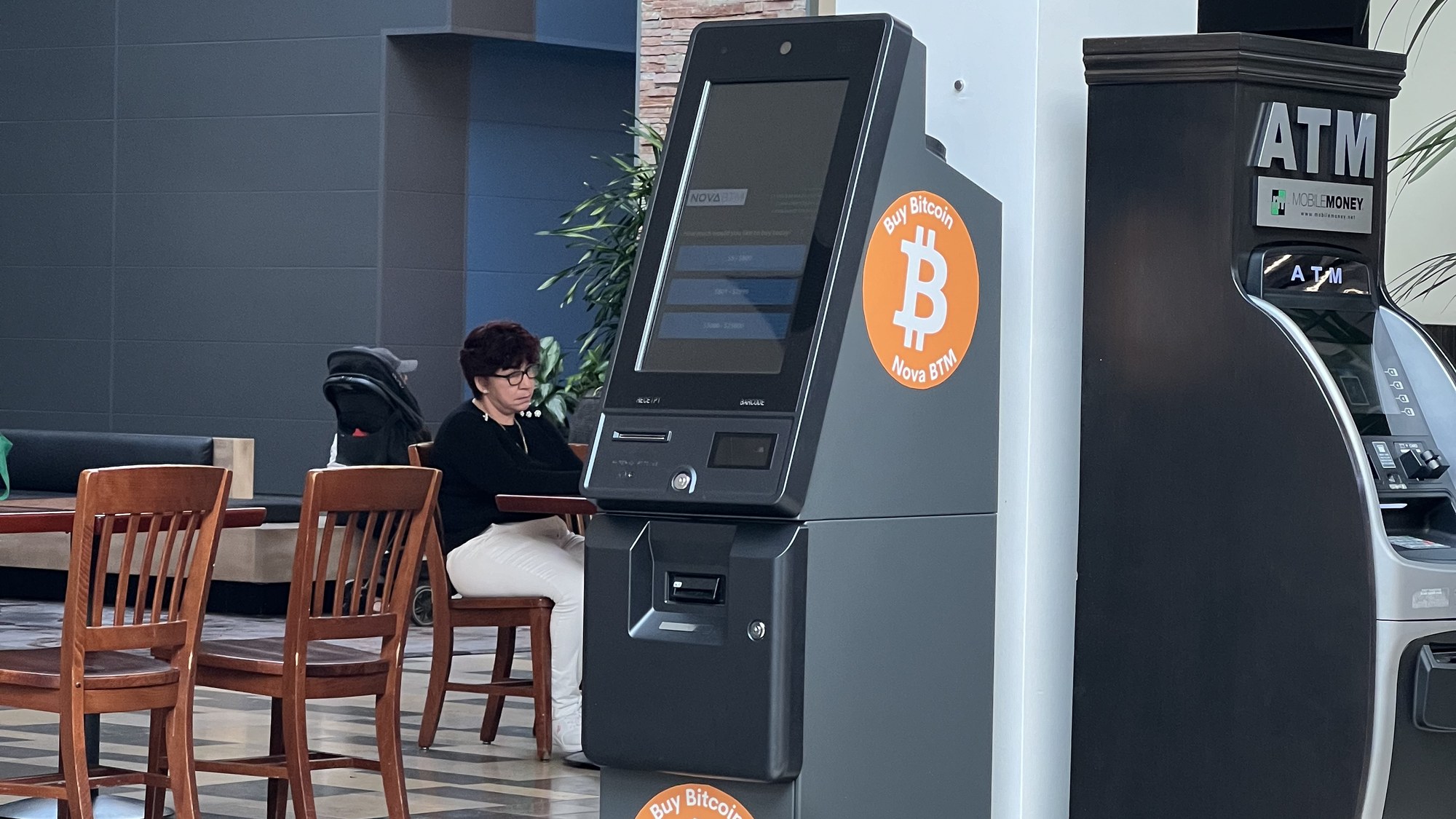
Scammers exploit that difference by steering victims away from methods with review mechanisms. Demands for wire transfers, cryptocurrency, gift cards or payment-app transfers are strongest when paired with urgency and instructions to hide the transaction from family or bank staff.
Payment apps are safest inside existing relationships
The FTC advises treating mobile payment apps like cash and using them with people already known and trusted. Its app guidance recommends verifying recipient information and funding protections.
A mistyped handle can send funds to a stranger. An impersonator can create an account resembling a grandchild, utility or bank. Because the transfer may complete quickly, a small verification step before payment carries more value than a long recovery effort afterward.
Independent verification means contacting the supposed requester through a number already on file, not a number supplied in the message. A family safe word, direct video call or second household decision-maker can interrupt the pressure cycle.
Immediate reporting still improves the odds
The FTC tells victims to contact the transfer company or bank immediately, describe the fraud and request reversal. Speed matters because funds can move through several accounts or be withdrawn. Screenshots, receipts, recipient identifiers and message logs support the report.
The financial institution should also be told whether credentials were exposed. Changing passwords, freezing linked cards and reviewing recent activity addresses unauthorized follow-on transactions even if the first payment was approved.
Reports to the FTC and local law enforcement create records for larger investigations. A report does not promise reimbursement, but it can connect an individual loss to an organized campaign.
Bank impersonators turn safeguards into scripts
A caller may claim that moving money to a “safe account” is necessary to stop fraud. No legitimate bank creates safety by directing a customer to transfer funds into an account controlled by a stranger.
Caller ID can be spoofed, and a criminal may know recent transactions from stolen data. Ending the call and dialing the number printed on the bank card breaks the connection to the impersonator. The account can be protected without following the caller’s payment instructions.
Remote-access software is another warning. Screen sharing can reveal balances, verification codes and recipient details while making the final payment appear customer-authorized.
Business invoices deserve two-channel verification
Criminals who compromise email accounts can replace legitimate wire instructions at closing, during construction or in vendor payments. A familiar email thread does not prove that new account details are genuine.
The account number should be confirmed through a previously known phone number or in person. A second employee or family member can compare the recipient name, bank and amount before release.
Real estate and contractor payments can exceed ordinary transfer limits, making a single mistake catastrophic. Written procedures matter most when a deadline and large amount create pressure to skip them.
A test payment is not a substitute for verification because criminals can confirm receipt too.
Independent contact remains the stronger control.
The pause belongs before the send button
The strongest protection is a rule established before a crisis message arrives: no unexpected wire or app payment without an independent call and a cooling-off period. Legitimate institutions can explain an invoice and accept ordinary payment methods.
FTC guidance supports a precise comparison, not a claim that transfers have no law around them. Authorized payments usually lack a credit card’s chargeback path, which makes verification before authorization the decisive financial safeguard.
This article was researched and drafted with AI assistance and reviewed against the linked primary sources.
More Financial Reading
- What really happens to your joint savings account when you die?
- Bank statements: how long to keep them and when to toss them