What the latest data says about the average premium
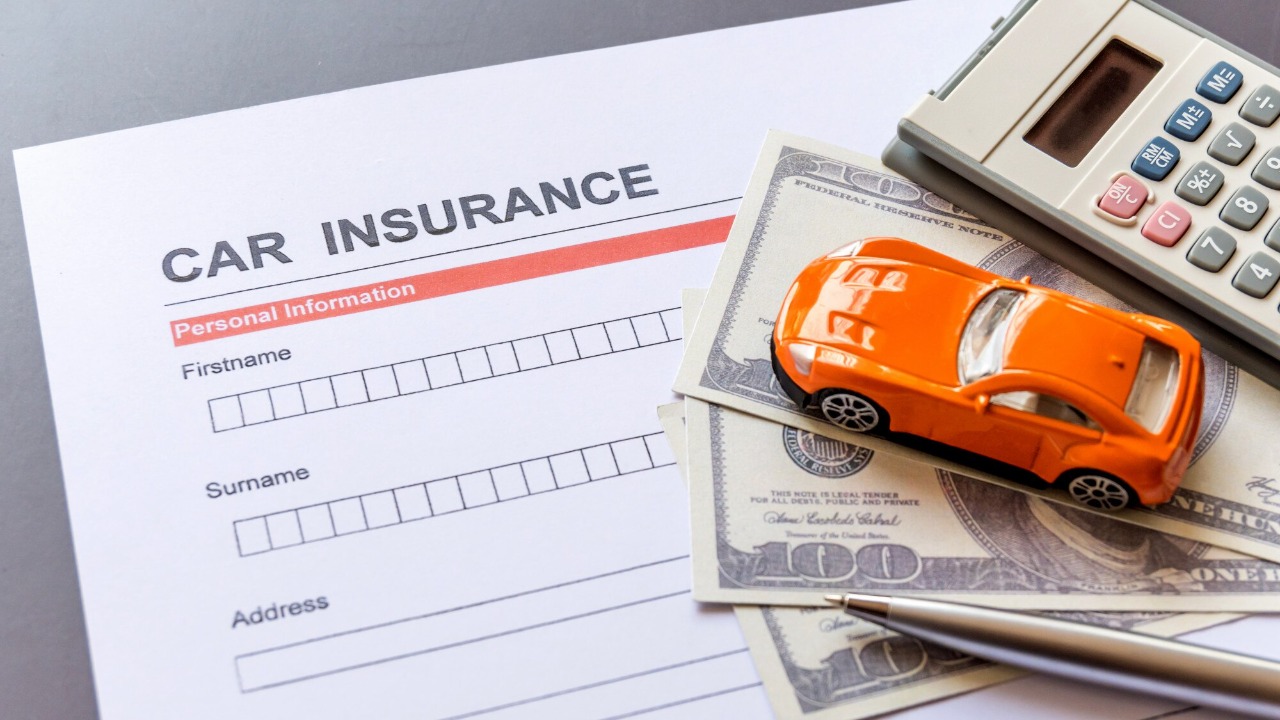
The clearest national benchmark comes from Bankrate’s 2025 true cost of auto insurance analysis, which put the average annual cost of full coverage at $2,638, up 12% from 2024. That followed an even harsher jump the year before, when the average reached $2,543. In other words, the pace of increases cooled, but the base price drivers are paying remained near record territory. Federal inflation data tells a similar story from another angle. The Bureau of Labor Statistics’ November 2025 Consumer Price Index release showed motor vehicle insurance was still running 9.1% higher than a year earlier, far above overall inflation. That matters because it shows insurance was still rising faster than many everyday categories even after the worst of the pricing shock had eased. Those two data points measure different things, but together they point in the same direction. Industry premium averages show what many drivers are being asked to pay for coverage, while CPI tracks how quickly prices in the category are moving overall. Neither suggests meaningful relief had arrived by early 2026.Repair costs remain the biggest force under the hood
Weather losses are not just a coastal problem anymore
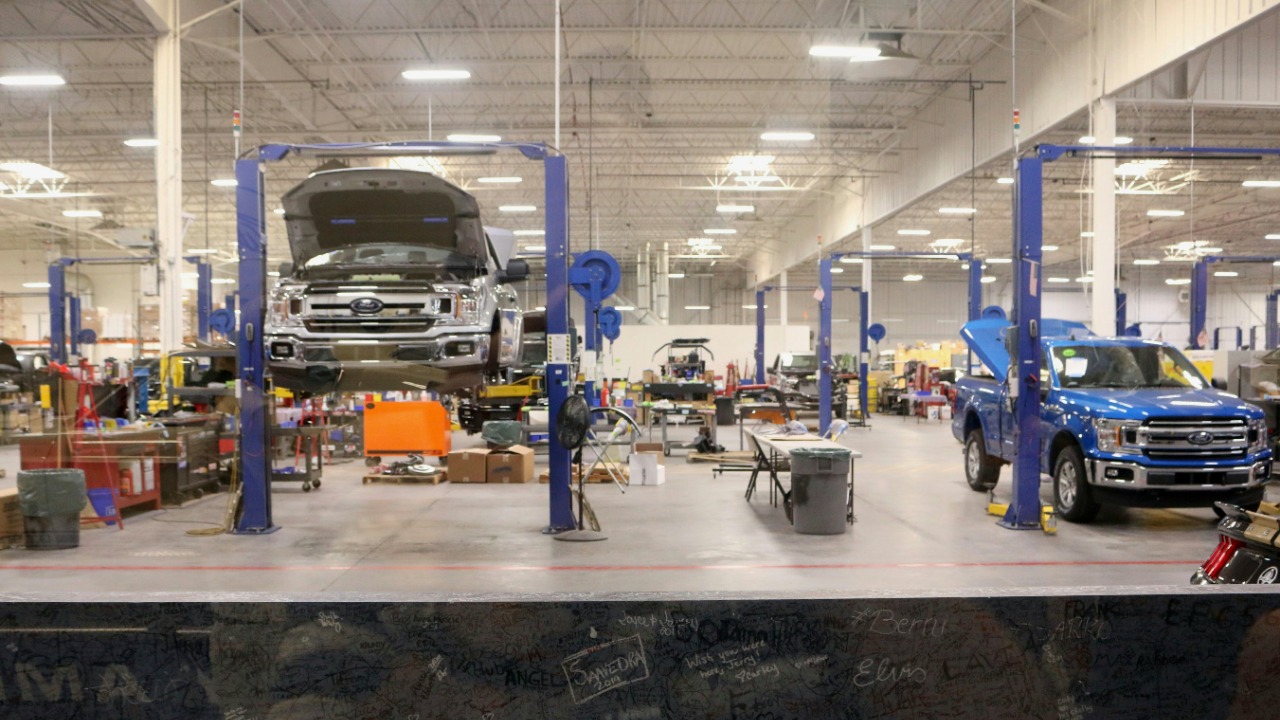
Weather has become another powerful driver of car insurance costs, and not only in the places most people would guess. Flooding, hail, hurricanes, and severe storms can wipe out thousands of vehicles in a single event, creating a burst of claims that ripples through insurers’ balance sheets long after the headlines fade. One of the clearest examples came from CARFAX, which estimated that 347,000 vehicles were flood-damaged during the 2024 hurricane season. Losses on that scale do not stay neatly confined to one ZIP code. They feed into rate filings, reinsurance costs, and broader pricing models that can affect drivers far from the original storms. The Insurance Information Institute also warned in 2025 that global insured catastrophe losses were running at one of the highest levels on record. While that figure covers far more than private autos, it reflects the same reality insurers are pricing for: severe weather is becoming a more frequent and more expensive source of claims.Why a slower increase still feels brutal
There is a difference between rates rising more slowly and rates becoming affordable again. That distinction gets lost when percentage changes improve. A 12% increase after a 26% surge still leaves drivers paying much more than they were only two years earlier, especially if they live in markets where claims, litigation, medical costs, or weather risk are already unusually high. Bankrate’s report underscored that point by showing how sharply the burden varies by state and metro area. In some places, car insurance now eats up a much larger share of income than the national average. That is why two households with similar vehicles and clean driving records can have very different experiences depending on where they live. The state divide is also shaped by regulation. Some insurance departments approve increases more gradually, which can soften the blow in the short term but delay it rather than erase it. Others allow insurers to move more quickly, which can produce uglier annual renewal notices but may keep pricing closer to current claims costs.What drivers are really paying for now


Vince Coyner is a serial entrepreneur with an MBA from Florida State. Business, finance and entrepreneurship have never been far from his mind, from starting a financial education program for middle and high school students twenty years ago to writing about American business titans more recently. Beyond business he writes about politics, culture and history.