
What the new limits look like
The IRS said the standard elective deferral limit for 401(k), 403(b), most governmental 457 plans, and the federal Thrift Savings Plan will rise to $24,500 in 2026, up from $23,500 in 2025. The agency also raised the IRA contribution limit to $7,500. On top of that base amount, workers who are at least 50 years old can make an additional $8,000 catch-up contribution in 2026. For a saver who qualifies for the standard 50-plus catch-up, that brings the maximum employee deferral to $32,500 for the year. There is also a separate, higher catch-up tier for workers ages 60, 61, 62, and 63. Under the IRS guidance implementing SECURE 2.0, that group can contribute $11,250 in catch-up contributions for 2026 instead of the standard $8,000. In other words, the headline increase matters to millions of workers over 50, but it is not the full picture for those in the 60-to-63 window. The inflation adjustments follow the annual cost-of-living formulas the IRS uses for retirement plans, and the 2026 amounts were formally published in Notice 2025-67.Why SECURE 2.0 matters here

Who actually benefits from the higher cap
The increase from $7,500 to $8,000 is meaningful for workers who were already close to maxing out their retirement plans. For that group, an extra $500 of tax-advantaged room is another opportunity to build savings, especially when combined with the larger regular deferral limit. For someone age 50 or older who contributes the full amount, the jump from a $31,000 combined employee limit in 2025 to a $32,500 combined employee limit in 2026 can help at the margins. It will not transform a retirement plan overnight, but over several years it can add up, particularly if investments compound in a tax-advantaged account. The much larger opportunity is for workers ages 60 through 63. Because that group can contribute an $11,250 catch-up, a qualifying participant could defer as much as $35,750 into a covered workplace plan in 2026. That creates a more substantial late-career savings window than the standard age-50 catch-up. Still, the people most likely to benefit are the ones who can afford to use the higher limits in the first place. Many older workers are not contributing anywhere near the maximum because they are balancing housing costs, healthcare, debt, or family support. For them, a higher legal cap may be helpful in theory without changing much in practice.The Roth catch-up wrinkle
The most important operational change is the Roth catch-up rule for certain higher earners. Under the final regulations, employees whose prior-year wages exceed the applicable threshold generally must make catch-up contributions on a Roth basis, meaning after-tax rather than pre-tax. Treasury and the IRS said the rule is designed to implement the SECURE 2.0 framework for higher-income participants. That can change how the same contribution feels in a paycheck. A worker who keeps making the same catch-up contribution may see less take-home pay than before because those dollars are no longer reducing current taxable income. The long-term trade-off is that qualified Roth withdrawals in retirement are generally tax-free. For some savers, that forced Roth treatment may end up being useful. It builds tax diversification, which can matter later when retirees are trying to manage taxable income from different accounts. But it can also surprise workers who have long used catch-up contributions mainly to lower their tax bill in the current year. Another important detail is that not every plan will handle the transition in exactly the same way from an employee’s point of view. Employers need systems and plan language that can support the rule. That means some workers may need to confirm directly with their human resources department or plan administrator how their company is implementing the 2026 changes.What workers should do now

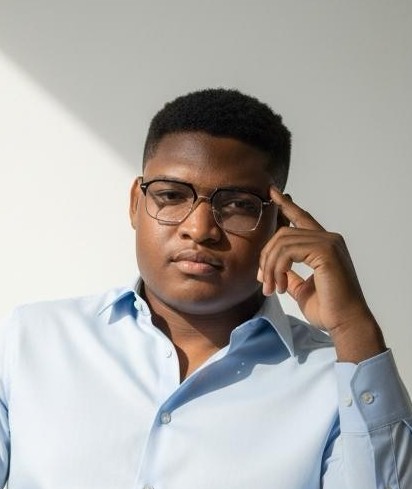
Paul Anderson is a finance writer and editor at The Financial Wire. He has spent seven years writing about investment strategies and the global economy for digital publications across the US and UK. His work focuses on making sense of economic policy, cost-of-living issues, and the stories that affect everyday Americans.