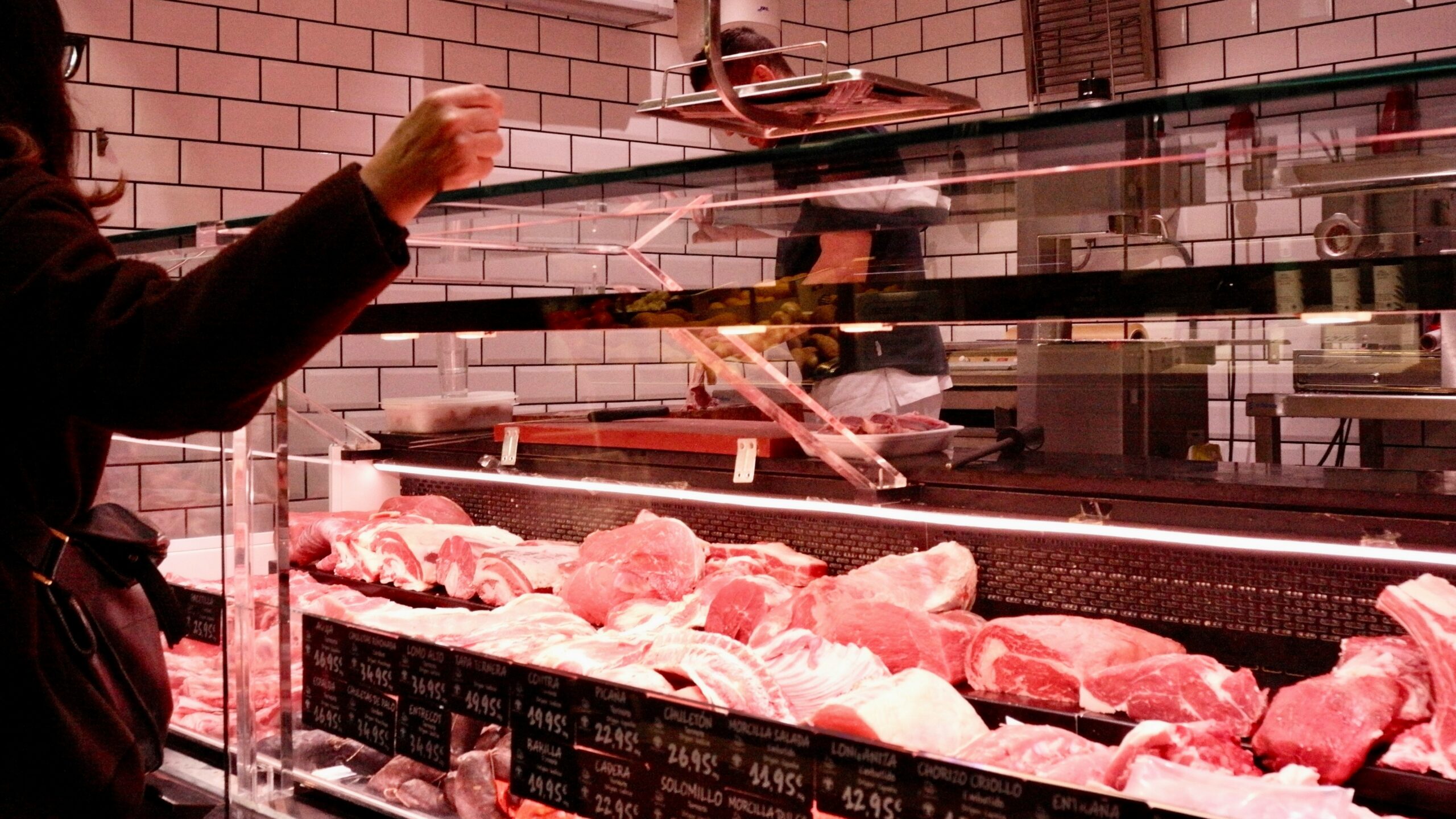
American grocery shoppers heading to the meat counter in 2026 face a widening gap between what they pay for beef and what they spend on the rest of their cart. Beef and veal prices are forecast to climb 5.5% this year, more than outpacing the 3.1% rise projected for overall food-at-home costs. That split, roughly 2.4 percentage points, signals that broad measures of grocery inflation are masking real strain on one of the proteins households buy most often.
Why the Beef-Veal Gap Exceeds the Grocery Average
The tension is straightforward: aggregate grocery price growth is slowing, yet a single high-weight category is pulling sharply in the other direction. When the Bureau of Labor Statistics publishes its monthly inflation report, the food-at-home sub-index captures dozens of product groups from cereals to dairy. A cooling headline number can easily conceal a protein category that is still accelerating. Beef and veal sit in exactly that position. The USDA Economic Research Service, which builds its annual food-price outlook on BLS data inputs, projects beef and veal will rise faster than any other major grocery sub-category in 2026, while the broader food-at-home index settles closer to its pre-pandemic pace.
For a household that buys two to three pounds of ground beef or steak per week, a 5.5% annual increase translates into noticeably higher weekly spending even as eggs, produce, or packaged goods hold steadier. The practical result is that families relying on beef as a primary protein absorb cost pressure that the 3.1% average does not reflect. Households that have already traded down from restaurants to home cooking may find they have less room to maneuver if one of the core ingredients in their meal rotation keeps getting more expensive.
CPI Data and the Cattle-Supply Constraint
Historical consumer price data show that meat categories have diverged from the food-at-home average before, but the current gap stands out for its persistence. After pandemic-era disruptions pushed all grocery categories higher, most have gradually decelerated. Beef has not followed the same path. The reason traces back to the U.S. cattle herd, which contracted through several years of drought and high feed costs. Smaller herds mean fewer animals reaching feedlots and, eventually, fewer carcasses at packing plants. That physical constraint keeps wholesale beef prices elevated even as supply chains for grains, dairy, and processed foods normalize.
The ERS food-price model uses observed CPI indexes as a baseline and layers in commodity futures, supply estimates, and demand signals to generate its annual outlook. When the model projects beef and veal at 5.5% against a 3.1% food-at-home figure, it is reflecting supply tightness that monthly CPI snapshots confirm but do not fully explain on their own. Realized CPI readings through early 2026 have already shown beef outpacing the broader grocery basket, consistent with the forecast direction.
Looking across the detailed price tables, the divergence within the meat case is also notable. Some pork and poultry cuts have seen more modest increases as producers responded faster to earlier price signals and as feed markets stabilized. Beef, by contrast, is constrained by the slower biology of the cattle cycle: even when ranchers decide to rebuild, it takes years for those decisions to translate into larger slaughter-ready supplies.
Unresolved Questions Around Herd Recovery and Trade
Several factors could either widen or narrow the gap before year-end, and none is settled. First, herd rebuilding takes time. Cattle producers need favorable pasture conditions and calf prices high enough to justify retaining heifers rather than sending them to slaughter. Weather across the Southern Plains and feed-cost trajectories will shape that calculus through the fall. If drought persists or feed remains expensive, ranchers may delay expansion, keeping supplies tight and retail prices firm.
Second, beef imports from major suppliers such as Australia and South America could ease some of the pressure, but those flows depend on currency values, animal-health conditions, and trade policy. If overseas producers can ship lean beef trimmings into the U.S. at competitive prices, that can help stabilize the cost of ground beef. Conversely, any disruption to export channels or new trade frictions would leave domestic consumers more exposed to the limited U.S. herd.
On the demand side, the key unknown is how much sticker shock households are willing to tolerate before changing habits. Some shoppers may shift toward more chicken or pork, buy smaller beef portions, or favor cheaper cuts like chuck and round over premium steaks. Others may prioritize beef for cultural or taste reasons and cut back elsewhere in the cart. The degree of substitution will influence how much pricing power retailers and packers retain over the coming months.
How Consumers and Retailers Are Adapting
Retailers are already experimenting with tactics to keep beef in the basket without alienating price-sensitive customers. Weekly promotions on specific cuts, expanded private-label programs, and smaller package sizes are all tools to manage the perception of value. Some grocers are highlighting cross-category deals, pairing discounted produce or pantry staples with higher-priced meats to soften the overall impact at checkout.
For consumers, the arithmetic is increasingly front and center. A family that once bought steaks weekly may reserve them for special occasions, relying more on slow-cooker recipes that stretch tougher cuts over multiple meals. Others may lean on mixed-protein dishes-combining smaller amounts of beef with beans, grains, or vegetables-to maintain flavor while trimming cost. These adjustments do not show up in headline inflation statistics, but they represent real shifts in how households cope with a protein that is breaking from the broader grocery trend.
Whether the beef-veal gap narrows in 2027 will hinge on decisions being made in pastures and policy circles today. Until the cattle herd shows clear signs of rebuilding or trade flows provide a stronger safety valve, shoppers should expect beef to remain an outsized driver of their grocery bill, even as the overall inflation story looks calmer on paper.