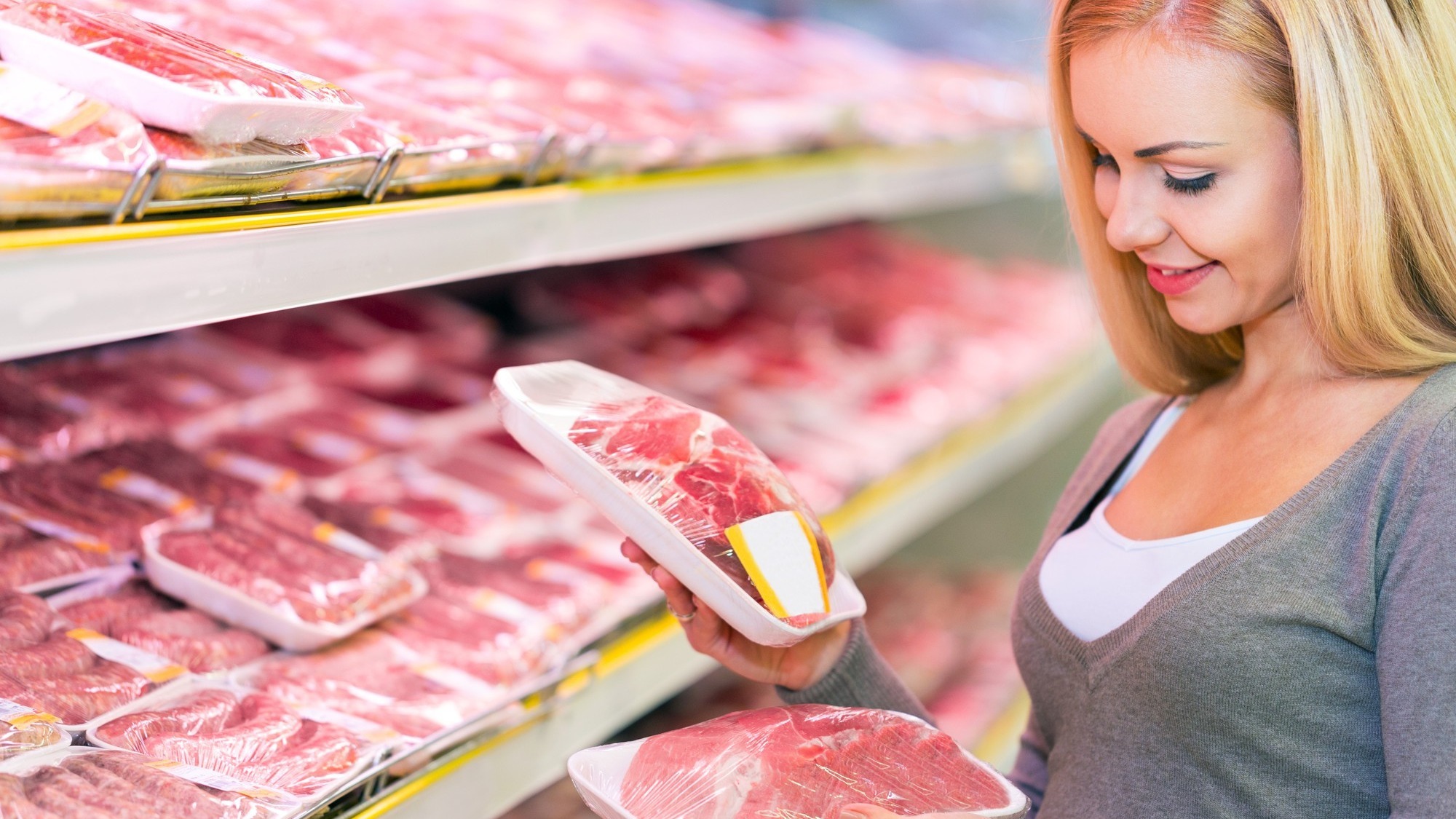
American shoppers are paying nearly 13 percent more for beef than they did a year ago, making it the fastest-rising item in the grocery store. The price surge traces directly to a shrinking national cattle herd. The U.S. Department of Agriculture’s National Agricultural Statistics Service recorded just 86.2 million head of cattle and calves on American farms as of January 1, 2026, a figure that ranks among the lowest since the early 1950s. With fewer animals moving through feedlots and into slaughterhouses, retail beef costs have outpaced every other major protein and produce category on a 12-month basis, squeezing household budgets even as broader food inflation has cooled.
Why the 86.2-million-head herd is driving record checkout prices
The connection between herd size and sticker shock at the meat counter is straightforward. Fewer cattle mean fewer animals available for slaughter, which tightens wholesale supply and pushes per-pound costs higher at every stage from feedlot to retail case. USDA’s National Agricultural Statistics Service, in its latest cattle inventory update, confirmed the national herd slipped to 86.2 million head, continuing a multi-year contraction driven by drought, high input costs, and producers liquidating breeding stock. That downward trend has left packers competing for a smaller pool of slaughter-ready animals, and the cost of that competition flows directly into what consumers pay.
USDA’s Economic Research Service tracks how those supply shifts show up at the grocery store through its ongoing food price analysis, which ties monthly Consumer Price Index movements for beef and veal to production fundamentals. The agency’s forecast ranges for 2026 point to continued upward pressure on retail beef prices, driven primarily by constrained cattle numbers rather than by feed grain costs or processing bottlenecks. For a family that regularly buys ground beef, steaks, or roasts, the practical result is a grocery bill that climbs faster in the meat aisle than almost anywhere else in the store.
Retail beef values and the widening farm-to-store gap
Beyond the headline inflation number, the internal economics of beef pricing reveal a widening spread between what ranchers receive and what shoppers pay. USDA’s Economic Research Service maintains a detailed meat spread series that tracks choice beef values and the all-fresh retail value over time, offering a window into how margins shift across the supply chain. When wholesale supplies tighten, as they have throughout the current herd contraction, retail margins tend to expand because grocers face limited ability to source cheaper domestic alternatives and are reluctant to raise prices as frequently as wholesale quotes change. The result is a lagged but often amplified pass-through, with consumers ultimately absorbing both higher cattle costs and wider marketing margins.
Ranchers, meanwhile, do not necessarily see windfall profits. Many cow-calf operators sold breeding stock earlier in the cycle when drought and high feed costs forced liquidation, locking in lower prices. Today’s elevated retail tags reflect not only current cattle values but also packer and retailer efforts to protect margins in a tight market. That disconnect fuels frustration in rural communities, where producers hear about “record beef prices” yet still wrestle with thin operating returns and lingering debt from years of adverse weather and expensive feed.
Testing the $8.50-per-pound scenario
The stage-1 hypothesis tested here asks whether the all-fresh retail beef value will exceed $8.50 per pound by December 2026 if the herd stays below 87 million head and feed costs hold steady. The supply-side logic is straightforward: with NASS confirming 86.2 million head, the inventory sits well below that threshold, and no major restocking cycle can materially increase slaughter-ready cattle within a single calendar year. It takes roughly two years to raise a calf to market weight, meaning today’s low cow numbers are effectively baked into tomorrow’s beef supplies.
Modest increases in live-cattle imports from Canada or Mexico could soften the tightness, but those inflows are limited by infrastructure, trade agreements, and competing demand in those countries. On the demand side, consumers have shown some willingness to trade down within the beef case-from premium steaks to more ground beef-or to substitute pork and poultry when prices spike. Yet beef retains a strong cultural and culinary foothold, particularly for burgers, tacos, and grilling cuts, which keeps a solid floor under demand even as prices rise.
Under these conditions, the path to an all-fresh retail value above $8.50 hinges on whether packers and retailers continue to pass higher cattle and operating costs through to shoppers rather than absorbing them in thinner margins. If wholesale prices remain elevated through grilling season and into the winter holidays-periods of seasonally strong beef demand-the odds favor another leg up in the average retail price. Absent an unexpected drop in consumer demand or a policy shock that expands supply, the constrained 86.2-million-head herd makes further price escalation more likely than a rapid retreat.
For households, that means planning around beef as a premium purchase: buying in bulk when promotions appear, shifting toward value cuts, or incorporating more non-beef proteins into weekly menus. For producers and policymakers, the current episode underscores how sensitive the beef market is to weather, feed costs, and long production cycles-and how quickly those forces can turn a smaller cattle inventory into sticker shock at the supermarket checkout.