On the last trading day of May 2026, Brent crude settled near $92 a barrel, capping a decline of roughly 19% from the $113-plus levels where the global benchmark closed April. That figure, drawn from daily spot prices in the Federal Reserve’s FRED database, makes May the worst single month for Brent since April 2020, when pandemic lockdowns gutted demand across every continent.
This time, demand is not the story. The catalyst is a proposed 60-day memorandum of understanding between Washington and Tehran that now awaits President Trump’s signature. If he signs, Iranian crude that Western sanctions have largely kept off the market could begin flowing again within weeks, and traders have spent the past month repricing every barrel on the board to reflect that possibility.
The deal taking shape
AP News reported that Iranian negotiators agreed to extend a ceasefire and open nuclear talks, contingent on final approval from Trump. The framework is a 60-day memorandum of understanding, though neither government has released the full text. That gap is not a technicality. The difference between a narrow humanitarian waiver and a broad reopening of energy exports could amount to more than a million barrels per day of additional supply reaching the market.
Without the document’s specifics, analysts are left estimating the scope of sanctions relief, the inspection protocols Iran would accept, and the enforcement mechanisms that would govern the agreement. The Guardian noted that the mere prospect of a deal was enough to put Brent on track for its steepest monthly loss since the COVID crash, a sign of how sensitive crude markets remain to any shift in Middle East risk.
Why the Strait of Hormuz looms so large
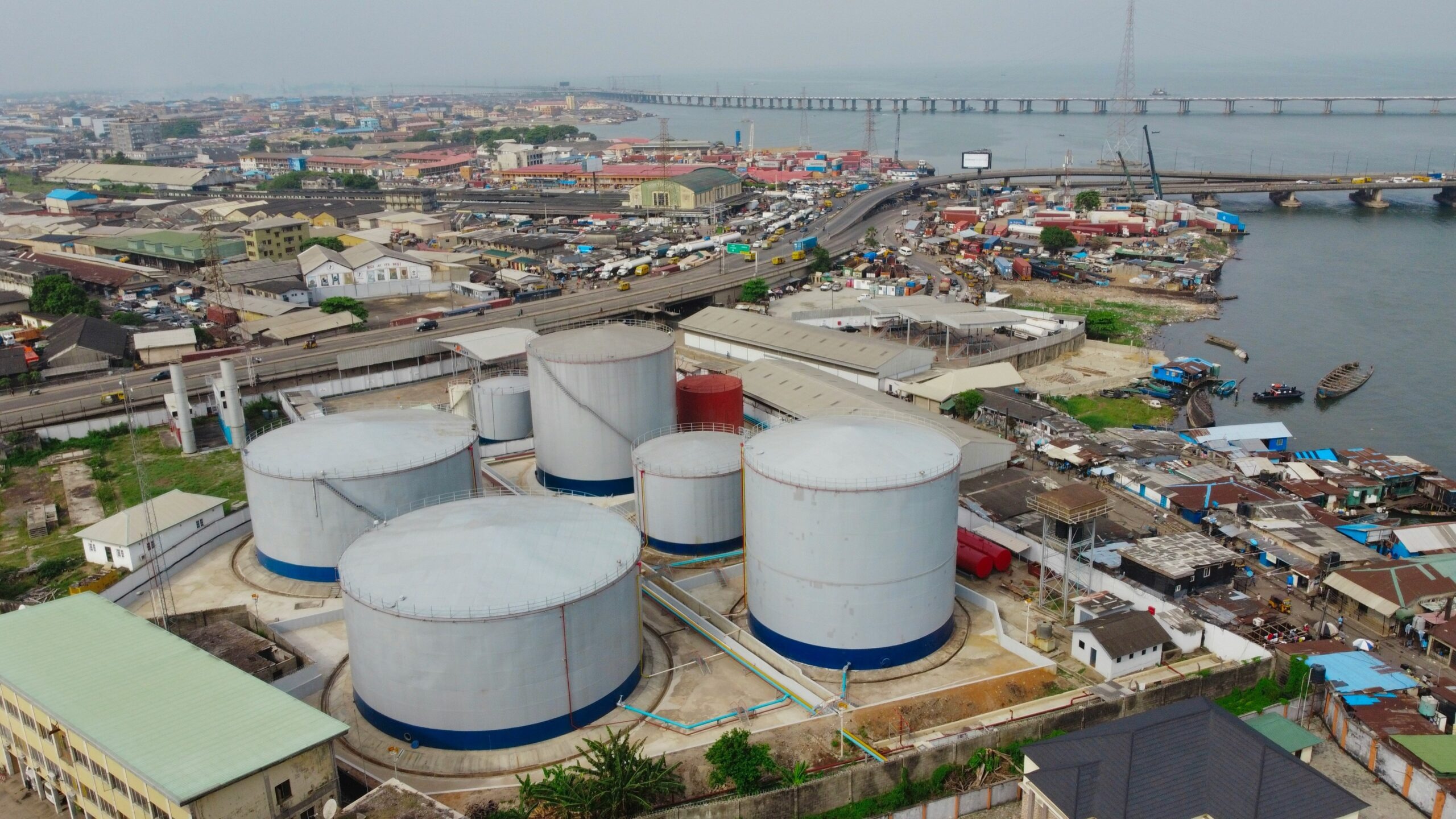
Much of the sell-off traces back to a single geographic bottleneck. The U.S. Energy Information Administration’s chokepoint analysis classifies the Strait of Hormuz as the world’s most critical oil transit chokepoint. Under normal conditions, the EIA estimates roughly 20 to 21 million barrels per day of crude and condensate pass through the strait, a figure drawn from the agency’s most recent annual chokepoint update. The same analysis notes that about one-fifth of global liquefied natural gas trade uses the narrow waterway.
For years, the threat of military confrontation or shipping disruption at Hormuz has kept a geopolitical risk premium embedded in every barrel of Brent. A diplomatic thaw between Washington and Tehran, even a temporary one, strips that premium out fast. Traders who had been long crude on the assumption of sustained Gulf tensions found themselves on the wrong side of the trade as headlines shifted toward detente.
OPEC+ and the production wildcard
Any return of Iranian barrels would land in a market already navigating a complicated OPEC+ production landscape. The cartel and its allies have been managing output quotas designed to support prices, and a sudden influx of Iranian supply would test the group’s cohesion. Saudi Arabia, which has shouldered much of the voluntary production cuts in recent quarters, would face a familiar dilemma: defend market share by pumping more, or defend price levels by holding the line.
On the demand side, China and India have historically been the most willing buyers of discounted Iranian crude, often finding workarounds even during periods of heavy sanctions. If the MOU opens a legal pathway for those purchases, physical flows could ramp up faster than many Western analysts expect, adding further downward pressure on benchmarks. European refiners, meanwhile, would need to weigh the legal and reputational risks of re-engaging with Iranian supply against the commercial appeal of cheaper feedstock.
What $92 Brent means for American drivers
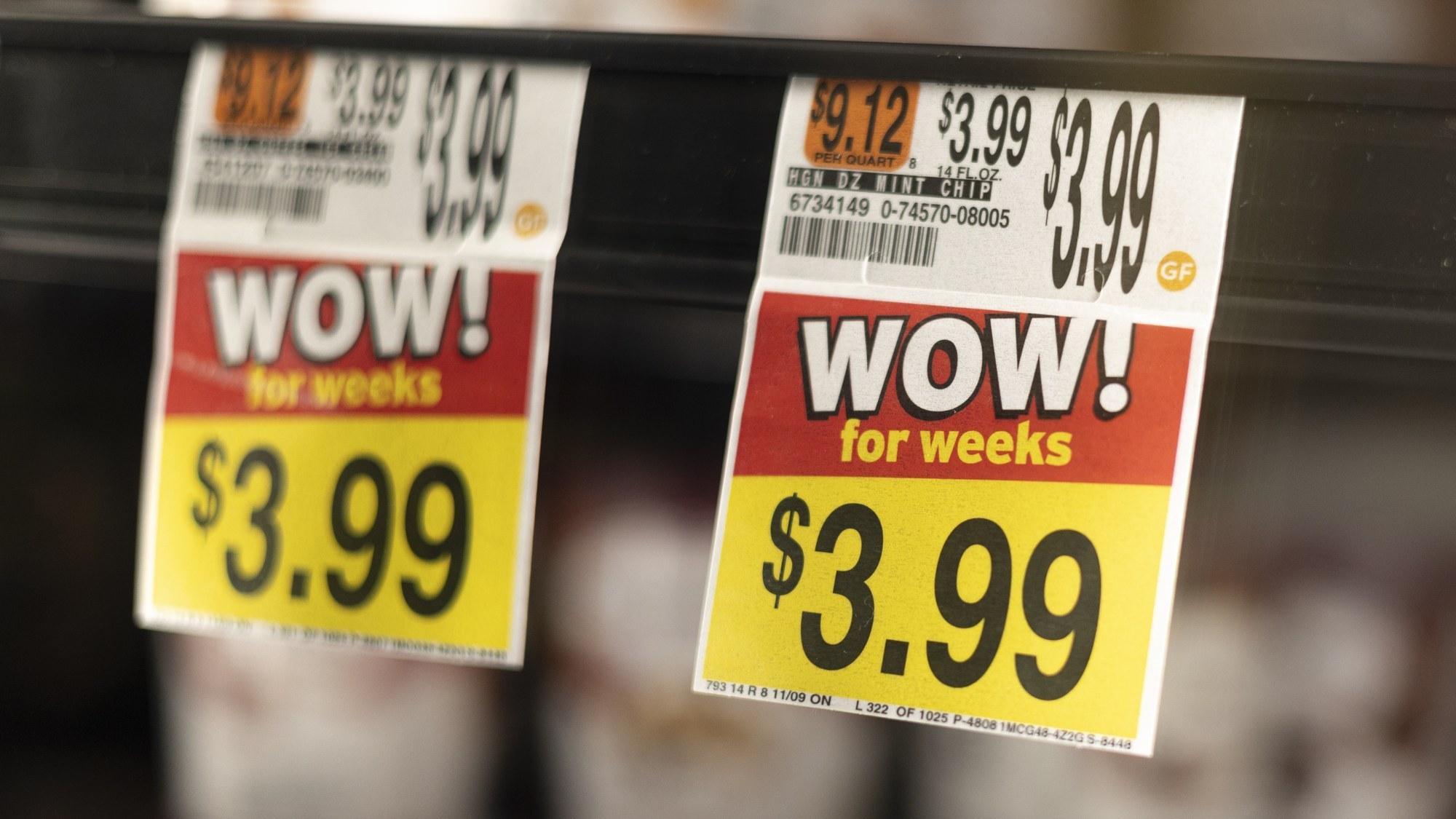
For motorists heading into summer, the drop in crude offers a potential reprieve. Brent is the pricing reference for roughly two-thirds of the world’s internationally traded oil, and sustained lower levels typically filter through to wholesale gasoline costs within two to four weeks. As a rough benchmark, the EIA’s own modeling suggests that a $1-per-barrel change in crude translates to about 2.4 cents per gallon at the pump. A $20 decline, then, could mean savings in the range of 40 to 50 cents per gallon, though refining margins, regional taxes, and seasonal demand patterns can blunt or amplify the effect.
The broader economic implications matter, too. Lower energy costs ease inflationary pressure at a time when the Federal Reserve is weighing the path of interest rates. If the Iran deal holds and crude stays near current levels through the summer, it would remove one of the persistent upward forces on consumer prices that has complicated monetary policy over the past year.
The domestic shale dilemma
The price drop also puts U.S. shale producers in a difficult spot. Many Permian Basin operators have built their 2026 drilling budgets around Brent in the $100-to-$110 range, and a sustained move toward $90 or below would push marginal wells closer to breakeven. If prices stay depressed into June, smaller independent drillers could begin deferring completions, trimming capital spending, or hedging remaining output at levels that lock in thinner margins. That dynamic creates a secondary political pressure point: congressional hawks who oppose the Iran MOU on national security grounds can also argue that the deal threatens American energy jobs, giving the opposition a pocketbook dimension that resonates beyond foreign policy committees.
What could go wrong, and how fast
For all the market’s conviction, the MOU remains unsigned. Wire reports describe the deal as “pending Trump approval,” but that language papers over a genuine decision point. Congressional hawks in both parties, Gulf allies wary of a rapid rapprochement with Tehran, and domestic political calculations heading into midterm positioning all create friction that could delay or derail the agreement.
Even if Trump signs quickly, the gap between legal authorization and physical oil flows could stretch weeks or months. Shipping contracts need to be renegotiated, insurance coverage reinstated, and banking channels reopened. Each of those steps involves counterparties who will want to see durable legal certainty before committing capital. Iran’s own export infrastructure, portions of which have degraded under years of sanctions, adds another variable.
Conversely, if talks collapse or either side demands last-minute changes, the geopolitical premium that evaporated in May could snap back just as quickly. Traders who sold into the decline would scramble to rebuild long positions, and Brent could reclaim a significant portion of its losses in a matter of days.
An unsigned deal holding every barrel hostage
One technical note worth flagging: the 19% monthly decline is derived from daily closing prices in the FRED series. The EIA’s official monthly average for May 2026 has not yet been published, so the figure could be revised slightly once all data are consolidated.
What is already clear is that the oil market has placed a massive, one-directional bet on a diplomatic outcome that is credible but incomplete. The price action is documented. The deal driving it is real but unsigned. Until the first post-sanctions tanker clears Hormuz, the gap between what traders expect and what actually happens remains the most consequential variable in global energy markets.