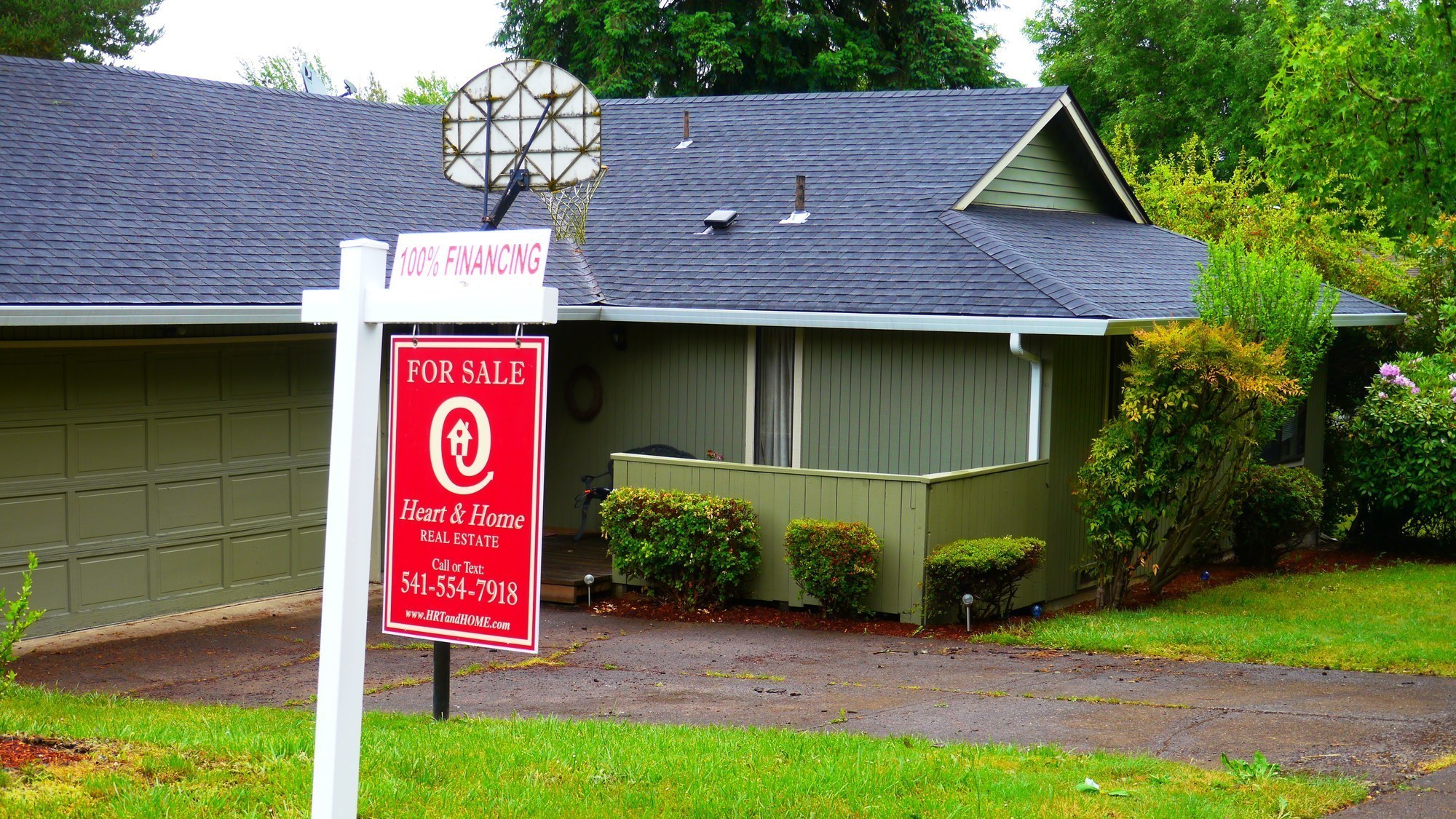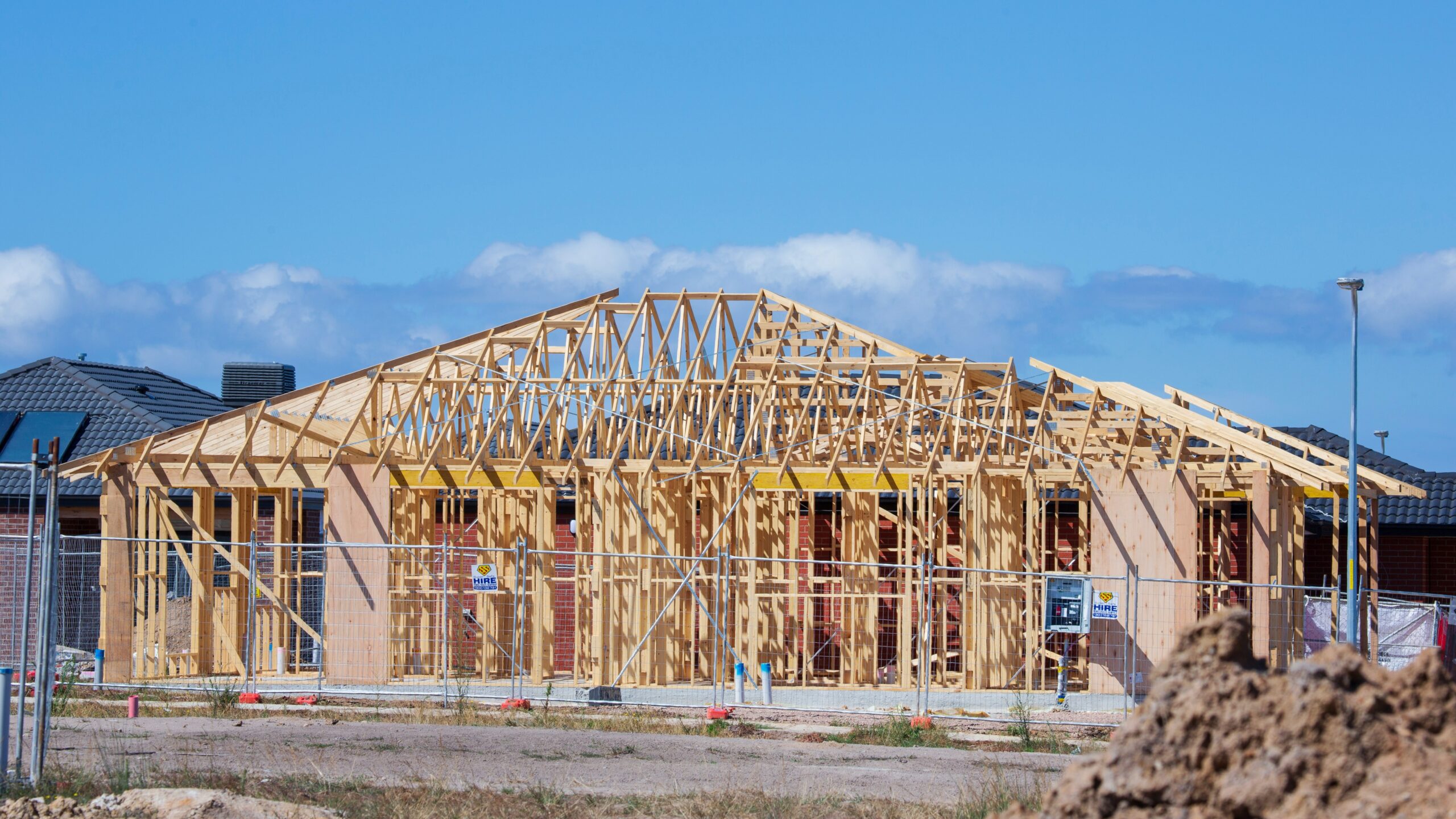
Sixty percent of U.S. homebuilders offered sales incentives in April 2026, according to the National Association of Home Builders’ Housing Market Index. That figure has now held steady for 13 consecutive months, the longest sustained stretch of widespread discounting the survey has recorded in the current cycle. At the same time, 36 percent of builders reported cutting base prices last month, with the average reduction coming in at roughly 5 percent.
Those numbers describe a market where the negotiating leverage has quietly but decisively shifted toward buyers of new construction. Builders are buying down mortgage rates, absorbing closing costs, throwing in upgraded countertops and appliances, and, in more than a third of cases, simply marking down the price on the finished spec home sitting at the end of the street. The pattern has been remarkably consistent since spring 2025, and the forces behind it show few signs of reversing soon.
Why builders keep reaching for incentives
The pressure starts with borrowing costs. The 30-year fixed mortgage rate averaged 6.81 percent for the week ending May 1, 2026, according to Freddie Mac’s Primary Mortgage Market Survey. At that level, a buyer financing $400,000 faces a monthly principal-and-interest payment above $2,600 before taxes and insurance. Median household income has not kept pace, which means the pool of buyers who can both qualify for a loan and feel comfortable signing has narrowed relative to the number of homes builders have ready to sell.
Federal data confirms the imbalance. The U.S. Census Bureau and the Department of Housing and Urban Development’s joint New Residential Sales report pegged the months’ supply of new homes for sale at roughly 8.3 months in early 2026, well above the balanced-market benchmark of about six months. When inventory stacks up and sales volume flattens, builders face a binary choice: hold firm on price and absorb carrying costs on unsold homes, or offer concessions that move units and keep cash flowing. Most have chosen the latter.
Rate buydowns have emerged as the incentive of choice among the largest publicly traded builders. A two-point permanent buydown on a 30-year mortgage can shave several hundred dollars off a buyer’s monthly payment, often making a bigger psychological and financial difference than a modest price cut. D.R. Horton noted in its fiscal second-quarter 2026 earnings call that incentive spending remained elevated as the company prioritized sales pace over margin expansion. Lennar has described a similar strategy, framing buydowns and closing-cost assistance as tools to keep absorption rates healthy without slashing headline prices too aggressively.
Where the discounts are deepest
National averages smooth over sharp regional differences. The NAHB’s regional breakdowns and Census data on new-home sales by geography reveal a country splitting into two distinct markets.
Sun Belt metros that attracted heavy speculative building during the pandemic boom are feeling the most pressure. Markets across Texas, Florida, and parts of the Mountain West added thousands of single-family permits between 2021 and 2023, and many of those homes reached the market just as rates climbed and remote-work migration cooled. In the Dallas-Fort Worth and Houston metros, for example, new-home inventory has remained persistently elevated, and builders there are competing not only with each other but with a growing pool of resale listings from owners who bought near peak prices and are now trying to move. The National Association of Realtors has reported rising existing-home inventory in many of these same Sun Belt markets, adding another layer of competition for builders.
By contrast, parts of the Midwest and Northeast, where zoning restrictions and labor shortages kept construction volumes lower, have seen less discounting. Builders in tighter-supply markets can hold closer to list price because buyers simply have fewer alternatives.
The New Residential Construction data on permits and completions by region helps quantify this divide. Markets where completions have outrun sales for several consecutive quarters tend to be the same markets where incentive use is highest, a pattern that has held consistently since mid-2025.
What this means for buyers shopping now
For anyone actively looking at new construction, the current environment offers real leverage. But not all incentives deliver the same value, and the advertised discount is not always the one that saves the most money over the life of a loan.
Consider the difference. A 5 percent price reduction on a $450,000 home saves $22,500 upfront and permanently lowers the loan balance, which reduces total interest paid over 30 years. A temporary rate buydown, on the other hand, may cut monthly payments dramatically in the first year or two but revert to the full note rate afterward. Permanent buydowns cost the builder more and deliver lasting savings to the buyer, but they are harder to negotiate unless the home has been sitting unsold for weeks.
Buyers should also scrutinize what is not included in the incentive package. Some builders offer upgrades or closing-cost credits that sound generous but are priced at retail on the builder’s own internal cost sheet. Comparing the total effective price, after all incentives, against recent comparable sales in the same subdivision or neighborhood gives a much clearer picture of the actual deal on the table.
The NAHB survey data suggests that builders with standing inventory, meaning homes that are finished or nearly finished, tend to offer the most aggressive terms. A buyer willing to take a completed spec home rather than ordering a custom build-to-suit is in the strongest negotiating position this market has offered in years.
How long the discount cycle can last
Thirteen months at 60 percent incentive use is already a long run by historical standards. Whether it extends further depends on a handful of variables that remain genuinely uncertain.
If the Federal Reserve cuts its benchmark rate enough to pull mortgage rates meaningfully below 6.5 percent, buyer demand could rebound quickly. Builders would regain pricing power, and incentives would likely taper. But the Fed’s own projections, published after each Federal Open Market Committee meeting, have signaled a cautious pace of easing through 2026, and mortgage rates have not dropped as sharply as many in the industry hoped.
On the supply side, builders have not dramatically pulled back on starts. The Census Bureau’s permits and starts data through early 2026 show single-family construction activity that, while off its 2022 peak, remains elevated enough to keep adding to inventory. Until the sales pace catches up with the completion pace, the conditions that drive discounting will persist.
Construction costs add another variable. Lumber prices have moderated from their pandemic extremes, but uncertainty around trade policy and tariffs has introduced fresh volatility into material costs heading into mid-2026. Labor remains expensive, and land costs in desirable markets have not meaningfully declined. Builders operating on thinner margins have less room to cut prices further, which could eventually slow new starts and help the market rebalance. But that correction plays out over quarters, not weeks.
When the discount window could close for new-construction buyers
The NAHB’s Housing Market Index is a sentiment survey of a rotating sample of builders, not a universal census. The 60 percent and 36 percent figures are directional indicators, widely cited but carrying the normal margin of uncertainty that comes with any survey sample. The Census Bureau’s sales and construction programs, by contrast, produce hard statistical counts of permits, starts, completions, and prices that are revised as more complete data arrives.
Taken together, the two data streams tell a consistent story. Inventory is elevated, affordability is strained, and builders are deploying every tool available to keep sales moving. The exact percentages will shift month to month, but the underlying forces pushing discounts forward, including high borrowing costs, sticky home prices, and a supply pipeline that has not fully corrected, are what will determine how long buyers continue to find deals on new construction. For now, the window remains wide open. The question worth watching is what closes it first: lower rates that bring a wave of new demand, or a pullback in building that finally tightens supply.