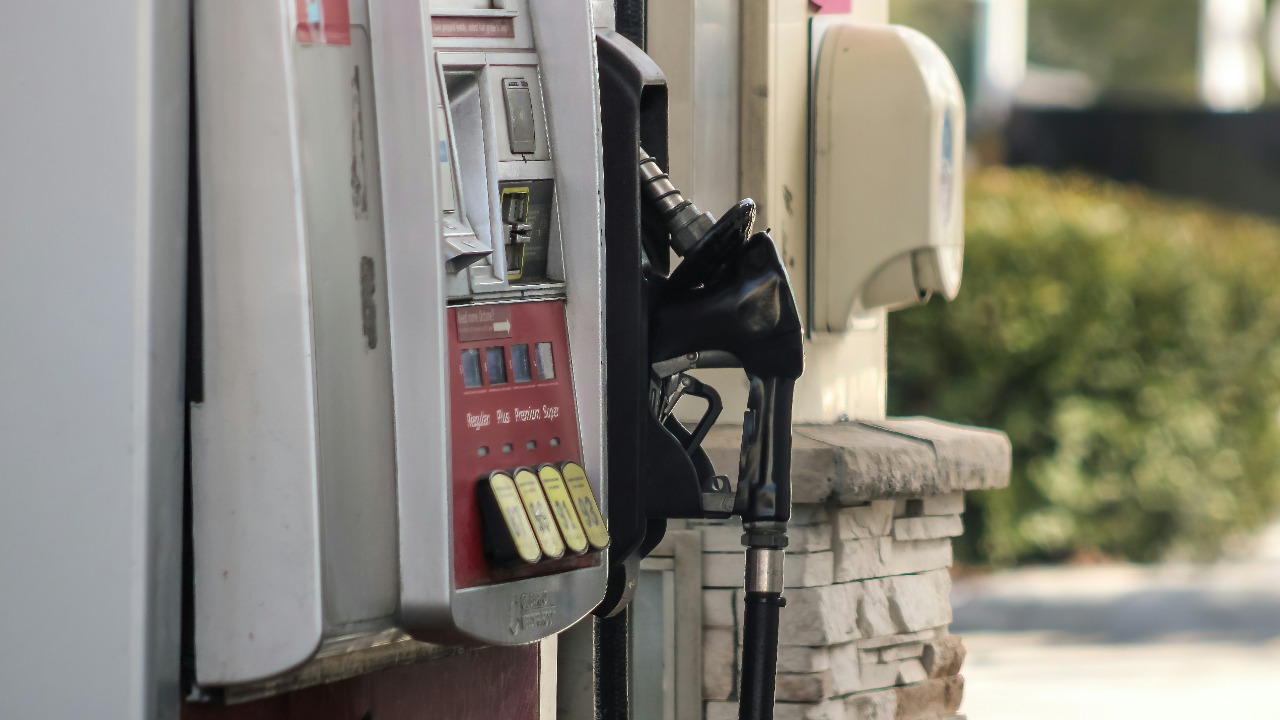
California drivers are paying noticeably more at the pump again, and the latest run-up is another reminder of how quickly the state’s gasoline market can turn. Federal weekly data show the average price for regular gasoline in California rose from about $4.18 a gallon on Feb. 2 to roughly $4.42 by Feb. 16, a gain of around 24 cents in two weeks. That is not a national story dressed up as a California one. It is a California story through and through. While gas prices often begin climbing in late winter, the state usually feels the move earlier and more sharply than much of the country because its fuel market is unusually tight, heavily regulated, and more dependent on refinery timing than motorists in most other states ever have to think about.
What the data shows
The most widely cited federal benchmark, the U.S. Energy Information Administration’s weekly California regular gasoline series, puts the state average at $4.177 per gallon for the week ending Feb. 2, $4.314 for the week ending Feb. 9, and $4.417 for the week ending Feb. 16. That is a sharp enough move to be felt immediately by commuters, delivery drivers, and families staring at a tank that suddenly costs several dollars more to fill. AAA’s consumer-facing price tracking has been telling a similar story. In a Feb. 17 update, AAA Oregon/Idaho said California was averaging $4.59 per gallon, up 9 cents from a week earlier and 38 cents from a month earlier, the largest month-over-month increase in the country at that point. The exact number differs from the federal weekly average because the datasets are built differently, but the direction is the same: prices have moved up quickly, and California is leading the pack. Nationally, the backdrop looked calmer. AAA’s Feb. 19 national update said the U.S. average had dipped slightly week over week, even as analysts warned that the normal seasonal climb was close at hand as summer-blend gasoline production began. That contrast matters. When California climbs while the national picture remains relatively steady, it usually points to local supply and refining pressures, not simply a broad move in crude oil.
Why California moves first and moves harder
California’s gasoline market is not built like the rest of the country’s. The state uses its own cleaner-burning fuel blend, which narrows the pool of refineries that can supply it and makes it harder to replace lost output on short notice. AAA noted this week that California refineries are already beginning the transition to summer-blend fuel, a change that often comes with maintenance work, lower output, and higher production costs. That seasonal shift would be manageable in a looser market. California’s problem is that it rarely has much slack. The West Coast tends to consume close to what it produces, and the region sits far from many of the nation’s major refining centers. Imports can help, but they are not an instant pressure-release valve. When refinery utilization softens or maintenance stacks up, wholesale prices can jump faster than drivers expect. That vulnerability has shown up repeatedly in official state analysis. The California Energy Commission’s petroleum watchdog has said price spikes are often tied to a mix of planned and unplanned refinery events, low inventories, and inadequate resupply. In a 2025 advisory following a refinery fire in Martinez, the state said perceived scarcity can drive up wholesale and retail prices even when crude costs and environmental program costs are stable. The mechanics are familiar, even when the exact trigger changes.
The cost stack still matters

None of that means California policy is irrelevant. It clearly is not. The state starts from a higher baseline than much of the country because each gallon carries a thicker layer of taxes, fees, and regulatory compliance costs before any retailer sets a street price. The California Energy Commission’s gasoline price breakdown page says the current state excise tax is 61.2 cents per gallon, while the federal excise tax adds another 18.4 cents. The same state breakdown also includes pass-through costs associated with the Low Carbon Fuel Standard and Cap-and-Trade, plus sales tax and underground storage tank fees. In other words, California does not just have expensive gasoline when something goes wrong. It has expensive gasoline before anything goes wrong, which leaves more room for short-term disruptions to sting. The tax treatment is also more layered than many drivers realize. The California Department of Tax and Fee Administration’s fuel tax schedules show how gasoline is subject to state sales tax treatment as well as per-gallon excise taxes. That structure helps explain why the state so often sits well above the national average even during quieter stretches of the market.
What remains harder to see in real time
One of the schedule’s better instincts was to focus on margins, but it handled the point too loosely. California does now have better transparency than it did a few years ago. Under SB 1322 refinery cost-disclosure rules, refiners must report monthly pricing and volume data to the Energy Commission, and the agency publishes aggregated reports within 45 days after the end of each month.
That is useful, but it is not a real-time dashboard for a live price flare-up. The month long lag means the public often sees the retail pain first and the more precise margin picture later. The state can flag suspicious behavior and monitor the market, but the cleanest post-mortem usually arrives after the sharpest headlines have already run.
What drivers should take from this
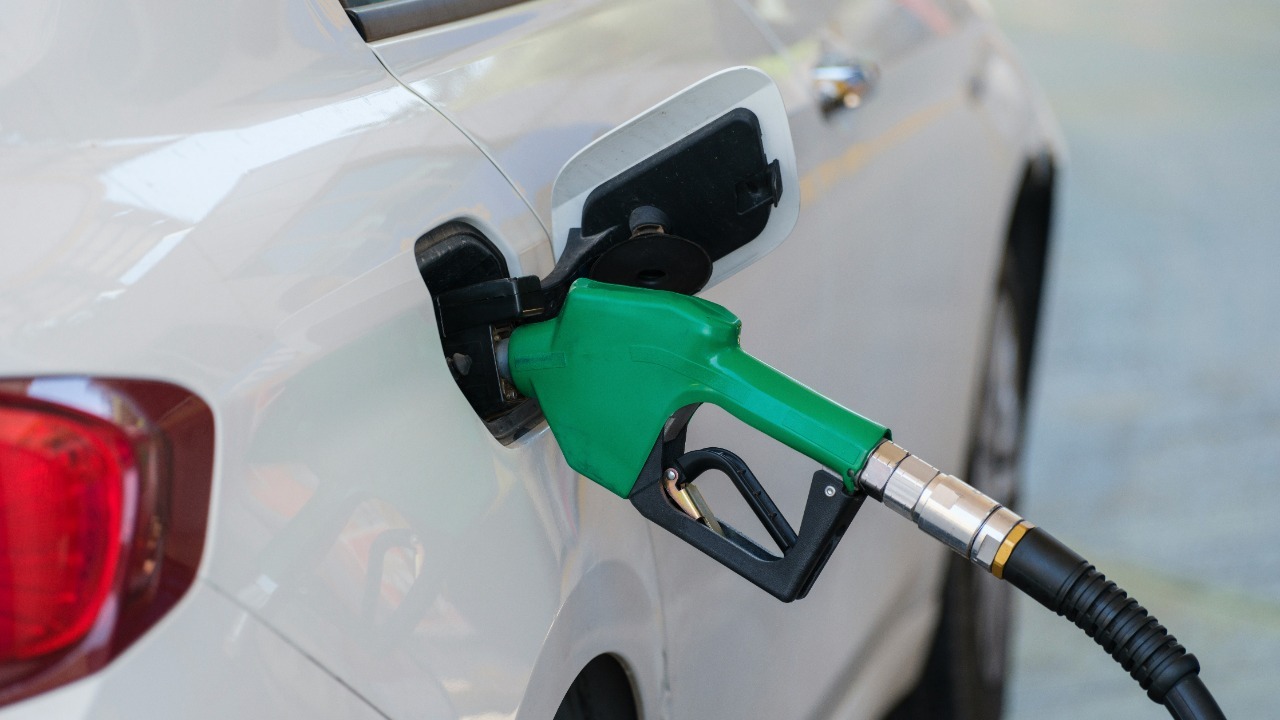
The fairest conclusion is also the least satisfying politically. California gas prices are not high for one reason. They are high because the state combines a structurally expensive fuel system with a refining network that can become tight in a hurry. Seasonal maintenance and the shift toward summer-blend fuel may sound routine, but in California, routine pressure can still translate into an abrupt jump at the pump. That is why the current move matters. It is not yet the kind of panic spike that rewrites the record books, but it is a clear example of how quickly California can separate from the national pack. Until the state’s fuel market becomes less isolated, less brittle, or simply less central to daily life, drivers should expect late-winter and spring price moves to hit here first and hit harder.

Vince Coyner is a serial entrepreneur with an MBA from Florida State. Business, finance and entrepreneurship have never been far from his mind, from starting a financial education program for middle and high school students twenty years ago to writing about American business titans more recently. Beyond business he writes about politics, culture and history.