
A Bigger Push Into Affordable EVs
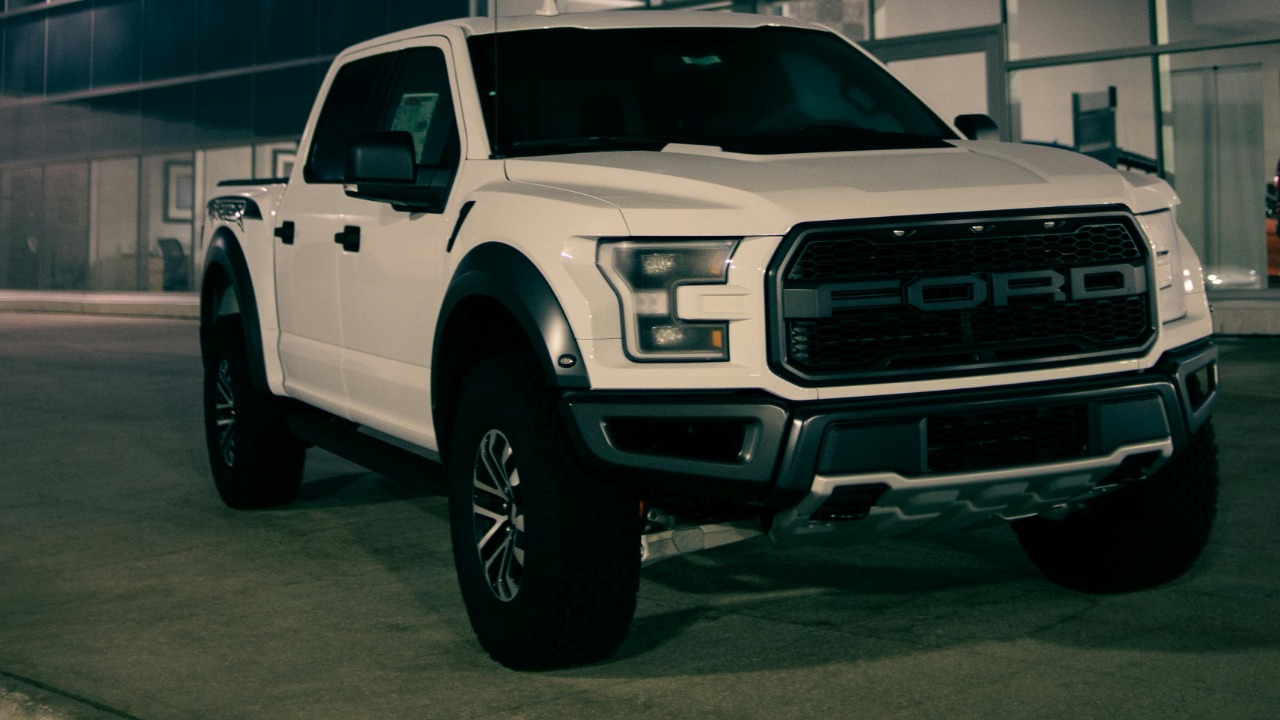
Ford has described the new program as a broad effort to build electric vehicles that are both more affordable for customers and more profitable for the company to make. The first product is expected to be a midsize, four-door electric pickup due in 2027, with a target starting price around $30,000. That matters because the average price of a new EV in the United States remains well above that level, leaving a large gap between the industry’s long-term ambitions and what many households are prepared to spend. Ford is not presenting the truck as a niche lifestyle product. Executives have framed the vehicle as a practical pickup aimed at everyday drivers, including families, small-business owners, and buyers who might otherwise gravitate toward smaller gas-powered trucks or mainstream crossovers. That puts pressure on Ford to get the basics right. Price alone will not carry the launch if truck shoppers are not convinced on durability, cabin space, real-world range, and everyday usability.Why the Universal EV Platform Matters
The engineering foundation is a new universal EV platform that Ford says can support a family of affordable electric vehicles rather than just a single model. In practical terms, that means more shared hardware, fewer unique parts, and a production process designed to carry multiple body styles without starting from scratch every time. Ford has said the platform will reduce parts by 20%, cut fasteners by 25%, and help speed assembly times, all of which are critical if the company wants to make money on lower-priced EVs. That is a meaningful change from Ford’s earlier EV approach. The Mach-E and Lightning were important first steps, but they did not give Ford a clean, low-cost architecture built specifically for a full lineup of mass-market electric vehicles. The new platform is intended to do exactly that. If it works, Ford gains a base it can use not only for the pickup but also for future crossovers and work-oriented models that need to hit tighter price points. The pressure to get there is obvious. Tesla has spent years working to simplify manufacturing, while Chinese automakers have built formidable cost advantages through scale, vertical integration, and fast development cycles. Ford is effectively acknowledging that it cannot compete in affordable EVs with yesterday’s economics.Louisville Becomes the Manufacturing Test Case
The production centerpiece is Ford’s Louisville Assembly Plant, not the Kentucky Truck Plant. Ford said it will invest nearly $2 billion to retool the Louisville facility, which has long built gasoline-powered vehicles, into the launch site for its new generation of affordable EVs. The company says the revamped plant will use a different assembly approach intended to cut costs, reduce complexity, and move vehicles through production faster. That distinction matters because the article’s original framing made the Kentucky side of the plan sound larger and more settled than the public record supports. The broader commitment is roughly $5 billion across the Kentucky assembly investment and Ford’s Michigan battery program. The Louisville conversion itself is one piece of that bigger wager. There is real upside in using an existing U.S. plant instead of building an entirely separate factory for each new EV line. There is also risk. Retooling a major operating plant is expensive, disruptive, and unforgiving if demand falls short. Ford is betting that lower-priced EVs can expand the market enough to justify the transition.Michigan Batteries Are Central to the Math
Affordable batteries are just as important as affordable assembly. Ford plans to source lower-cost lithium iron phosphate, or LFP, batteries from BlueOval Battery Park Michigan in Marshall, a plant the company has said is critical to its next generation of lower-priced EVs. LFP chemistry is generally cheaper than nickel-rich alternatives, which makes it a natural fit for mainstream models where price discipline matters more than chasing the longest possible range. But that part of the strategy is not without complications. Michigan officials revised the project’s incentive package after Ford scaled back expected output and job totals at the Marshall plant, reflecting the slower-than-expected pace of EV demand growth. Reuters reported in 2024 that the state’s support was reduced after Ford lowered the plant’s planned capacity and employment expectations, even as the company maintained that the site would be important to its future battery plans. That history is worth including because it adds realism. The battery plant is not simply a solved piece of the story. It is a vital enabler for Ford’s affordability target, but it also sits inside a sector where construction timelines, output plans, and policy support have shifted repeatedly.Can a $30,000 Electric Truck Really Break Through?
A Cleaner Read on Ford’s EV Bet
Ford’s affordable EV push is a serious story, but it is strongest when told with precise framing. The company is not spending $5 billion on one truck alone. It is making a broader, interlocking bet on a universal platform, a retooled Louisville assembly plant, and a Michigan battery supply chain that together are supposed to make a $30,000 electric pickup possible. That is still a huge wager, and it says a great deal about where Ford thinks the next real EV battle will be fought. If the company executes, it could move the conversation around electric trucks from novelty and premium pricing toward scale. If it misses on cost, timing, or consumer confidence, the effort will look like another expensive lesson in how hard it is for legacy automakers to bring affordable EVs to the mass market. Either way, this is a more consequential story than a simple spending headline suggests.
Vince Coyner is a serial entrepreneur with an MBA from Florida State. Business, finance and entrepreneurship have never been far from his mind, from starting a financial education program for middle and high school students twenty years ago to writing about American business titans more recently. Beyond business he writes about politics, culture and history.