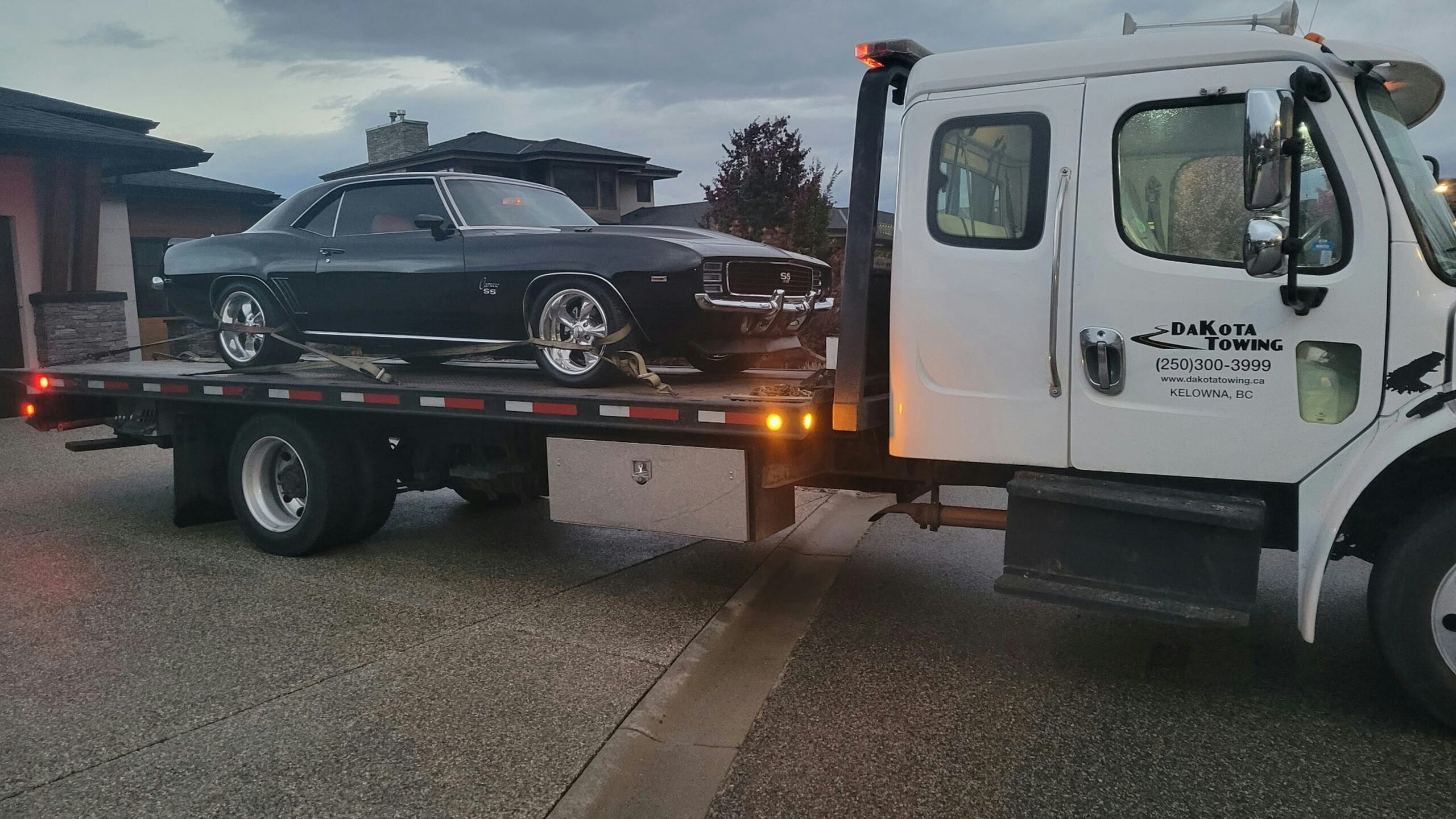
Roughly 1.73 million vehicles were seized from borrowers in 2024, a total not seen since the aftermath of the 2009 financial crisis. The figure, drawn from Cox Automotive data, signals that a growing number of American households can no longer keep up with monthly car payments that ballooned alongside vehicle prices and interest rates over the past three years. For millions of drivers who depend on a car to get to work, the trend carries consequences that reach well beyond the lender’s balance sheet.
Rising seizures reflect strained household budgets, not a weak job market
What makes the 2024 repossession count striking is the economic backdrop. Unemployment has remained relatively low compared with the deep recession that produced the last comparable wave of vehicle seizures in 2009. That contrast points toward a different driver of distress: the cost of the vehicles themselves and the financing terms attached to them. Average transaction prices for both new and used cars climbed sharply after pandemic-era supply shortages, and many buyers locked in loans at elevated rates once the Federal Reserve began tightening monetary policy. The result is a cohort of borrowers carrying larger monthly obligations on cars that, in many cases, have already lost value faster than their loan balances have shrunk.
A working hypothesis gaining traction among credit analysts is that used-car price inflation, rather than unemployment, will prove to be the stronger predictor of repossession volume once granular loan-level data becomes available. When a borrower owes more than a vehicle is worth and faces a financial shock, even a minor one, there is little incentive to keep paying. The lender recovers a depreciated asset, and the borrower loses both the car and whatever equity was built up. That dynamic can accelerate quickly in a market where values are falling from an artificial peak.
Cox Automotive data and Federal Reserve credit metrics confirm the stress
The 2024 repossession tally compiled by Cox Automotive represents a sharp climb from the pandemic years, when government stimulus checks and lender forbearance programs kept defaults artificially low. As those supports expired and vehicle costs stayed high, delinquencies began rising steadily. Federal Reserve data on bank charge-offs and delinquencies show elevated stress across consumer loan categories, including auto portfolios, confirming that the repossession figures are part of a broader pattern of credit deterioration rather than an isolated blip in one data vendor’s numbers.
The Consumer Financial Protection Bureau has also studied the mechanics and downstream effects of auto repossession. Its analysis of auto finance documents how a single seizure can cascade through a household’s finances: lost transportation leads to lost wages, damaged credit scores, and difficulty securing future housing or employment. That chain reaction is especially severe in regions with limited public transit, where a car is not a luxury but a prerequisite for earning a living.
Key gaps in the data and what borrowers should watch next
Several questions remain open. Cox Automotive has not publicly released the full methodology behind its 2024 count, making it difficult for outside researchers to compare the numbers directly with prior years or with competing data sets. How repossessions are defined, which lenders are included, and how voluntary surrenders are treated can all shift the headline total. Without more transparency, analysts must triangulate between vendor estimates, bank disclosures, and regulatory data to understand the true scale of distress.
Borrowers, meanwhile, have little visibility into how their own lenders manage delinquent accounts. Some finance companies move quickly to repossess once a payment is missed; others offer extensions or payment plans. The CFPB has flagged inconsistent practices around notice periods, fees, and the handling of personal property left in vehicles. Consumers who fall behind are often unsure of their rights, including whether they can reinstate a loan after repossession or how sale proceeds will be applied to any remaining balance.
There are also unanswered questions about who is being hit hardest. Early evidence suggests that subprime borrowers and those who bought used vehicles at peak pandemic prices are overrepresented among recent repossessions. However, without loan-level public data, it is hard to disentangle the roles of credit scores, loan-to-value ratios, and regional economic conditions. Policymakers weighing potential reforms-such as clearer disclosure rules around add-on products, or limits on certain fees-must do so with an incomplete picture.
For households, the most practical step is to focus on early warning signs. A rising share of income going to car payments, frequent use of short-term credit to cover basic expenses, or skipping other bills to keep up with an auto loan are all indicators of mounting risk. Financial counselors often urge borrowers to contact their lender at the first sign of trouble, before a payment is missed, to explore options like temporary deferrals or modified terms. While not all creditors will accommodate, early outreach can sometimes prevent a default from escalating into a seizure.
The spike in repossessions is also prompting renewed attention to how information flows between industry and the public. Companies that rely on large-scale data-such as global financial platforms-are under pressure to provide more timely indicators of consumer strain, while lenders and regulators are being pressed to explain how they monitor risks in real time. For professionals who need deeper insight into auto credit performance, specialized services and direct data access can fill some of the gaps left by public statistics, though they do little to help families already on the brink of losing their vehicles.
Ultimately, the 1.73 million repossessions recorded in 2024 are less a story about a weakening labor market than about the limits of household balance sheets stretched by expensive cars and costly credit. Unless vehicle prices fall further, borrowing terms ease, or incomes rise meaningfully, the pressure on auto borrowers is likely to persist, keeping repossessions elevated and forcing more Americans to confront the financial and personal fallout of losing the keys to their livelihoods.