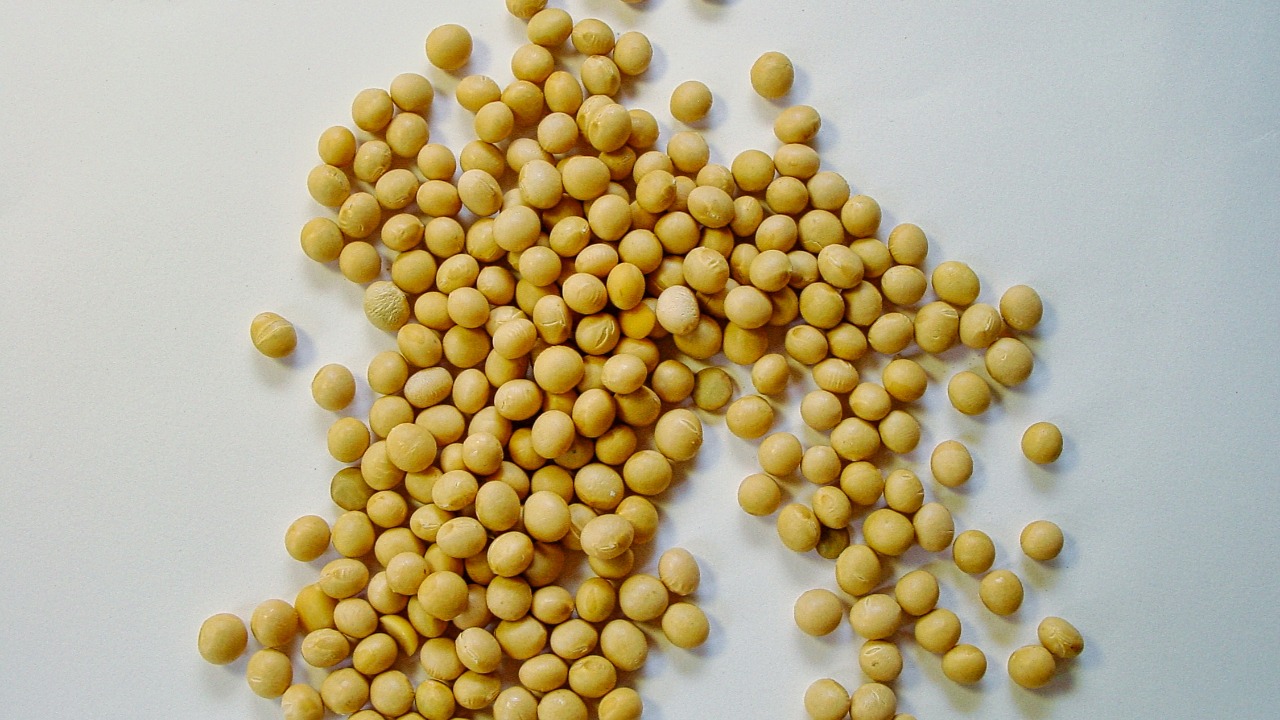
The American Soybean Association told President Trump in a Sept. 17 letter that Chinese buyers had booked 15.5 million metric tons of U.S. soybean orders as of Sept. 11, more than four times the 3.7 million metric tons on the books at the same point a year earlier. The letter, signed by ASA President Scott Metzger ahead of a U.S.-China trade summit, credits the jump to renewed Chinese buying under this year’s trade truce, but it also asks the administration to fix problems the group says still threaten that recovery. Behind the improved order numbers sits an industry still working through losses from the trade war that preceded them.
The growers’ letter to Trump: asks Washington to settle a soybean tariff dispute still unresolved for exporters. Property-tax and utility bills already due on a fixed income have their own separate relief, summit or no summit, inside The Senior Property Tax & Home-Cost Relief Kit. Review the five kinds of property-tax relief →
What The Growers Told Trump, In Numbers
The ASA’s letter puts Chinese orders for U.S. soybeans at 15.5 million metric tons as of Sept. 11, compared with 3.7 million metric tons booked by the same date in 2025, a recovery the group attributes to the trade truce reached earlier this year. Metzger’s letter frames the increase as real progress worth protecting rather than a problem solved, arguing that the gains remain fragile enough to unravel without further action from the administration before or during the summit. The letter does not claim the 15.5 million metric ton figure represents a finished deal; it describes orders booked so far in the current marketing year, a running tally that can still grow, stall or reverse depending on how the summit and the trade truce underlying it play out in the weeks ahead.
The Letter’s Three Requests
Beyond the order figures, the ASA’s letter makes three specific asks. It wants soybeans included on the list of “non-sensitive goods” under the new U.S.-China Board of Trade the two governments established this year, to keep soybean trade insulated from future disputes. It asks the administration to press China to eliminate the 10% retaliatory duty still applied to U.S. soybeans, a tariff the letter notes does not apply to Brazilian soybean imports competing for the same Chinese buyers. And it warns that expiring Section 301 port fees could be passed down to farmers and disrupt shipping if Washington lets them lapse without a fix. None of the three requests asks for a direct payment to growers; each instead asks the administration to change a policy lever, a duty, a fee schedule or a trade-list classification, that the ASA argues shapes how much of the current order recovery actually survives into next year’s planting decisions.
The Losses Behind The Recovering Numbers
The improved order figures follow real financial damage from the trade dispute they are now recovering from. Tennessee soybean farmers alone lost nearly $110 million in 2025, on top of multimillion-dollar losses the year before, according to University of Tennessee-linked estimates reported by Investigate Midwest. Stefan Maupin, executive director of the Tennessee Soybean Promotion Board, described the shift in more cautious terms than the ASA’s letter: trade relations had shown positive movement that improved markets over the prior year, he said, but the open question for farmers was still whether that improvement would hold. For a farm family counting on land-rental income or crop proceeds as part of its retirement, that kind of loss does not reverse itself just because a single quarter’s order numbers look better; a bad year on the balance sheet stays a bad year even after the following year’s export figures recover.
Why A Retaliatory Duty Still Bites, Even As Orders Recover
China’s 10% duty on U.S. soybeans remains in place even as the order volume climbs, meaning every ton China buys still costs its importers more than the same ton bought from Brazil, a gap the ASA’s letter says puts American growers at a structural disadvantage regardless of how large the order totals get. Treasury Secretary Scott Bessent has publicly called this year’s soybean progress “very fulsome” while acknowledging, according to Farm Policy News, that broader agricultural purchases are “a little behind schedule.” Other crops illustrate how uneven the recovery still is: as of a mid-September report citing USDA’s Foreign Agricultural Service data, China had logged zero corn or wheat sales for the 2026-27 marketing year even as soybean orders climbed, the kind of gap that leaves other Midwest growers watching the same trade talks without the ASA’s own good news to report. That unevenness is part of why the ASA’s letter asks for a structural fix, the non-sensitive-goods listing and the duty elimination, rather than resting on the current order numbers alone; a policy change would apply regardless of which way any single week’s export data moves, while an order total can shift with the next round of Chinese purchasing decisions.
What The Letter Leaves Untouched At Home
Nothing in the ASA’s letter, or in whatever the administration decides about the retaliatory duty or the port fees, changes a property-tax bill or a utility account already sitting in an older homeowner’s mailbox. Those obligations run on local filing calendars set by county assessors and utility regulators, entirely separate from a trade summit’s outcome or the volume of soybeans China orders in any given week. A retired household is not a party to this letter’s asks and has no direct stake in whether Beijing agrees to any of them, whether that household lives on a working farm or a fixed Social Security check in a city apartment. Whatever the summit produces, the property-tax and utility relief programs available to older homeowners exist independent of it, open on their own schedules and require their own separate paperwork regardless of how the trade talks conclude.
A Letter About Exports, Not About A Household’s Own Bills
The ASA’s letter asks Washington to resolve a soybean tariff dispute and protect export orders that recovered from real 2025 losses. None of that changes the property-tax bill or the heating and cooling costs already competing for space in a retired household’s fixed monthly budget.
The Senior Property Tax & Home-Cost Relief Kit lays out the five kinds of property-tax relief available to older homeowners and help with heating, cooling and home repairs, alongside an application log for tracking deadlines that don’t repeat automatically.
Review the property-tax and home-cost relief options in The Senior Property Tax & Home-Cost Relief Kit.
This article was produced with AI assistance and checked against the primary sources linked above.