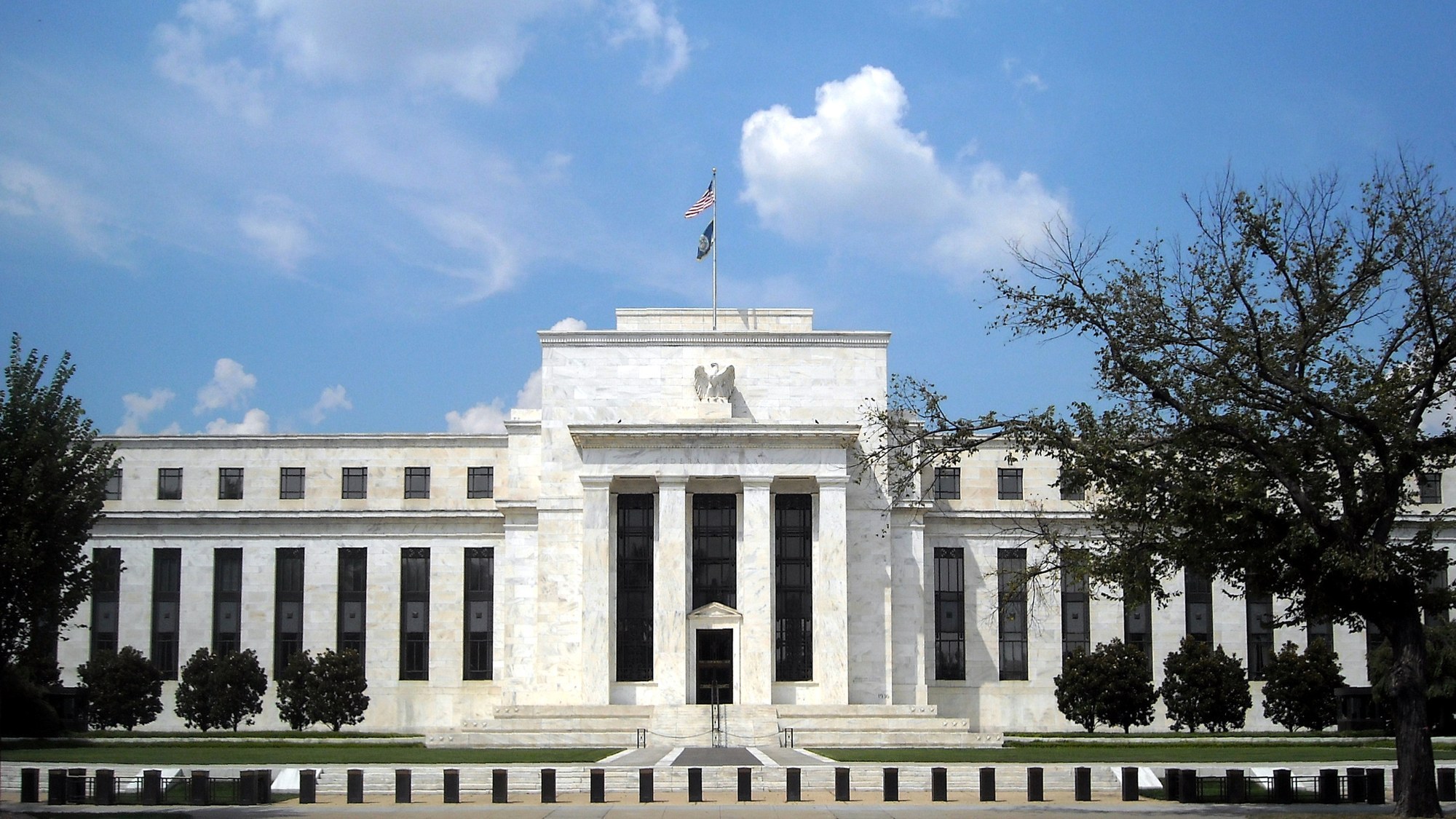
American households carrying credit-card debt are falling behind on payments at a rate not seen since before the pandemic. The seasonally adjusted delinquency rate on credit-card loans at all commercial banks reached 2.9% in the first quarter of 2026, matching levels last recorded in 2019, according to the Federal Reserve’s quarterly release updated on May 19, 2026. The reading signals growing strain on consumer balance sheets at a time when borrowing costs have not returned to pre-2020 levels.
A 2.9% delinquency rate and what it means for household budgets
The 2.9% figure comes from the Fed’s official charge-off statistics statistical release, which tracks loan performance across all commercial banks. The series, identified on the Federal Reserve Economic Data platform as DRCCLACBS, dropped sharply during 2020 and 2021 as pandemic-era stimulus payments, enhanced unemployment benefits, and forbearance programs kept missed payments historically low. That cushion has now fully eroded.
For the roughly half of U.S. credit-card holders who carry a revolving balance, the practical effect is straightforward: late fees accumulate, minimum payments climb, and credit scores take hits that raise the cost of future borrowing. Banks, in turn, set aside larger loss reserves, which can tighten approval standards for new applicants and limit credit-line increases for existing customers.
One question worth tracking is whether this delinquency spike acts as a leading signal for personal bankruptcy filings. Historical patterns suggest that rising missed payments often precede a jump in Chapter 7 and Chapter 13 petitions within roughly two quarters, a relationship that can be tested against federal court administrative records later in 2026. If the pattern holds, bankruptcy courts could see heavier caseloads by the end of the year.
Fed data behind the first-quarter reading
The primary evidence sits in the Fed’s delinquency table, which breaks out credit-card loans as a distinct series within a broader matrix of loan categories. That table confirms the 2026 Q1 level and shows the last time the series reached or exceeded 2.9% was in 2019, before pandemic-related distortions pushed it to unusual lows.
Seasonal adjustment matters here because credit-card spending and repayment patterns shift predictably around holidays and tax-refund season. The adjusted series strips out those swings, making quarter-to-quarter comparisons reliable. The Board of Governors of the Federal Reserve System publishes this data on a fixed quarterly schedule, and the May 19, 2026, update represents the most current official snapshot of bank-level credit quality.
No borrower-level detail appears in the release. The Fed does not break the headline number down by income bracket, credit-score tier, or geography. That means the 2.9% rate could mask wide variation: younger borrowers or those in regions with weaker job markets may be experiencing far steeper delinquency rates, while prime borrowers in strong labor markets may be performing close to normal.
Gaps in the data and what to watch next
Several pieces of the puzzle are missing from the Fed’s quarterly tables. There are no direct measures of household stress such as debt-to-income ratios, rent burdens, or the share of borrowers rolling balances month to month. Nor do the aggregate figures distinguish between consumers who are a single billing cycle behind and those who have gone multiple months without making a payment, even though the latter group is more likely to end up in collections or bankruptcy.
Analysts looking to fill those gaps often turn to other sources, including bank earnings reports, private credit-bureau data, and survey-based measures of financial well-being. But those sources are not always consistent or publicly accessible. By contrast, the Fed’s statistics are standardized and machine-readable through the FRED API, allowing researchers to track delinquency trends alongside unemployment rates, wage growth, and other macroeconomic indicators.
Several indicators will be important to watch over the remainder of 2026. First is whether the delinquency rate continues to climb in the second and third quarters, or instead plateaus near its current level. A continued rise would suggest that more households are exhausting savings and running out of room to adjust budgets, while a leveling-off could indicate that lenders have tightened standards enough to stabilize performance.
Second is how credit-card delinquencies compare with other consumer loan categories. If missed payments are rising faster on cards than on auto loans or mortgages, that would reinforce the idea that households are prioritizing secured debts tied to cars and homes while struggling with unsecured revolving balances. The Fed’s matrix of loan types can help clarify whether stress is confined to plastic or spreading more broadly across consumer credit.
Finally, labor-market conditions will shape how serious this delinquency episode becomes. Historically, modestly elevated credit-card delinquencies are manageable when job growth is steady and wage gains keep pace with inflation. The risk grows if layoffs pick up or real incomes stagnate, leaving indebted households with fewer options to catch up on overdue bills.
For now, the 2.9% rate is best understood as an early warning signal rather than a definitive sign of crisis. It marks a return to pre-pandemic norms in one narrow sense, but it is occurring against a backdrop of higher interest rates, larger average balances, and thinner financial cushions for many families. How households, lenders, and policymakers respond over the next few quarters will determine whether this is a temporary bump or the start of a more persistent strain on consumer credit.