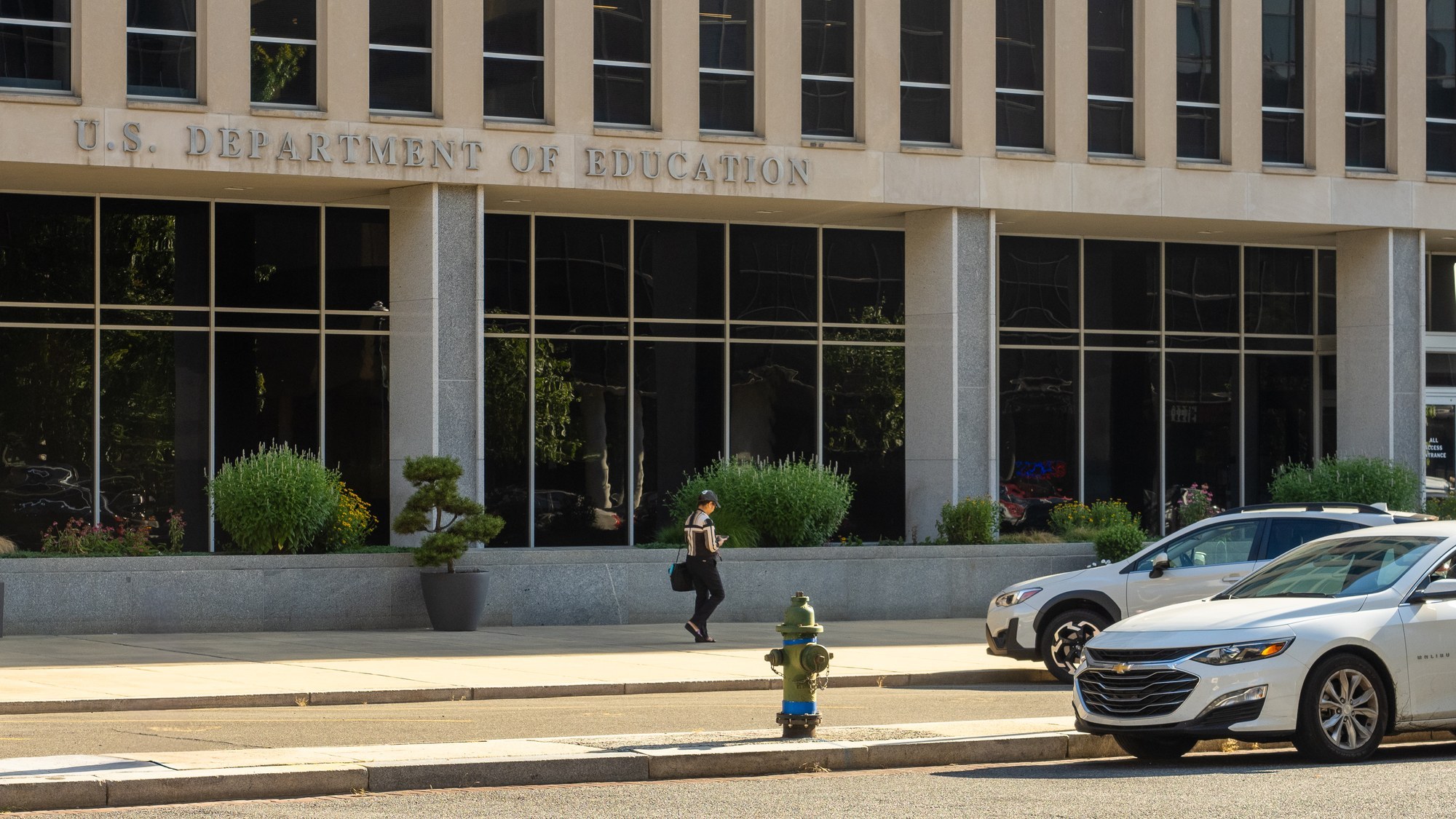
Federal student-loan borrowers in default gained breathing room after the U.S. Department of Education halted involuntary collections, including wage garnishment and Treasury offsets, that can strip up to 15 percent of a worker’s disposable pay. The decision reversed an earlier plan that had set a May 2025 restart for the Treasury Offset Program and wage garnishment notices later that summer. For borrowers already struggling to keep up with bills, the pause creates a narrow window to pursue rehabilitation or consolidation before collection tools kick back in.
Why the wage garnishment pause changes the calculus for borrowers in default
The immediate effect is financial: borrowers who were bracing for automatic paycheck deductions or seized tax refunds now have more time. Under 20 U.S.C. Section 1095a, the federal government can garnish wages for defaulted student loans without first obtaining a court judgment. The regulatory machinery behind that authority, spelled out in 34 CFR Part 34, requires written notice and an opportunity for a hearing before withholding orders reach an employer. A separate regulation, 31 CFR Section 285.5, governs the Treasury Offset Program, which intercepts federal payments such as tax refunds to satisfy defaulted loan balances.
According to the Department of Education, the agency delayed involuntary collections to allow time for ongoing repayment-plan improvements. That rationale matters because borrowers who exit default through rehabilitation, which requires nine on-time payments over ten months, or through consolidation into a new Direct Loan, lose the threat of garnishment entirely. The longer the pause lasts, the more borrowers can complete one of those paths before collection notices resume.
For individual households, the pause can reshape monthly budgets. Someone earning $3,000 in disposable income could avoid up to $450 in automatic garnishment, money that might instead go toward rent, utilities, or catching up on other debts. Similarly, a family expecting a federal tax refund can plan around that cash rather than seeing it intercepted through Treasury offset. That breathing room can be the difference between staying current on essentials and falling further behind.
Yet the reprieve is not automatic relief from default status. Borrowers remain in default unless they take affirmative steps to resolve it, and interest can continue to accrue. Guidance on defaulted federal loans emphasizes that rehabilitation, consolidation, or in some cases repayment in full are the primary routes out. Without a clear plan, borrowers risk facing the same garnishments and offsets once the pause eventually lifts.
A key question is whether the pause will actually translate into higher rehabilitation and consolidation rates. The Department has not published specific start and end dates for the current hold, and it has not released borrower-level data on how many people have already requested hearings or temporary pauses under existing regulatory protections. Without that data, it is difficult to measure whether the reprieve is producing results or simply delaying the same problem.
Conflicting timelines and shifting collection plans
The current pause sits at the end of a series of changing deadlines. According to an earlier agency notice, the Department planned to restart the Treasury Offset Program on May 5, 2025, with wage garnishment notices to follow later that summer. Separately, the Associated Press reported that a prior plan called for wage garnishment to begin in 2026 and that borrowers would receive a 30-day notice before any deductions started.
Those timelines do not fully align. The Department’s public statements have shifted from a specific 2025 schedule to an open-ended delay tied to broader repayment improvements. At the same time, outside reporting on a 2026 garnishment start date suggests that internal planning may have contemplated a slower ramp-up than the official calendar initially indicated. The result is a patchwork of dates that can be confusing for borrowers trying to understand when, exactly, their paychecks or refunds might be at risk.
The uncertainty has practical consequences. Servicers and collection agencies must prepare systems and staff for whichever restart date ultimately applies, while employers that receive garnishment orders need clear timelines to adjust payroll. Borrowers, for their part, face a moving target as they weigh whether to prioritize rehabilitation payments now or wait to see if further relief emerges. Each new announcement can alter expectations, but none has yet provided a definitive end point to the pause.
What borrowers can do during the reprieve
Even with shifting timelines, the window created by the collections halt is an opportunity for borrowers in default to act. Rehabilitation can remove the default notation from a credit report and restore eligibility for income-driven repayment, though it requires consistent payments that some may find challenging. Consolidation into a new Direct Loan is typically faster and can immediately exit default, but it may capitalize unpaid interest and change the mix of repayment options.
Borrowers unsure which route to choose can start by confirming their loan status and servicer information through their federal student aid account. From there, they can contact their servicer or collection agency to request affordable payment terms for rehabilitation or to initiate consolidation. Because the pause on garnishment and offsets is not permanent, using this period to secure a long-term solution may be the best protection against future paycheck deductions and seized refunds.