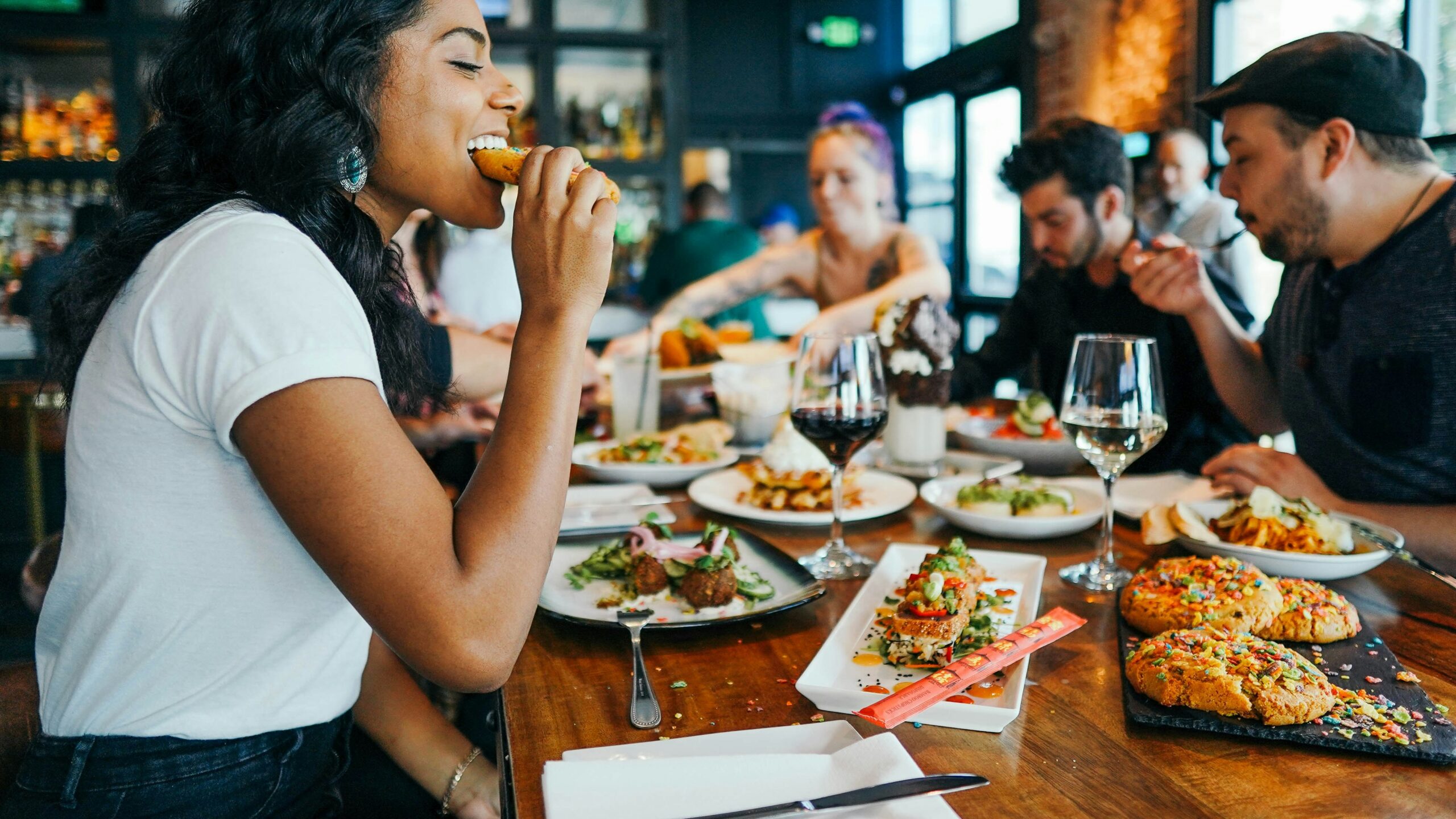
American diners are pulling back from restaurants, choosing cheaper menu items or skipping meals out entirely, and the financial strain is starting to show across the industry. McDonald’s reported that lower-income customers cut visits during its July through September 2025 quarter, even as the chain leaned on value promotions to lift sales. Rubio’s Coastal Grill went further, filing for Chapter 11 bankruptcy to facilitate a sale process. With the Bureau of Labor Statistics continuing to track rising “food away from home” prices in its Consumer Price Index releases, the gap between what restaurants charge and what households can afford is widening, and Wall Street is watching for the next wave of casualties.
Squeezed budgets and shrinking restaurant traffic
The pressure on diners is not abstract. The latest CPI tables from the Bureau of Labor Statistics include data for the “food away from home” category, which tracks what Americans pay at restaurants, cafeterias, and similar establishments. That category has consistently outpaced overall inflation in recent years, meaning every dollar buys less at a restaurant than it did before the current price cycle began.
At the same time, inflation-adjusted consumer spending on food services has been essentially flat. The Bureau of Economic Analysis tracks this through its real spending series for food services, which strips out price increases to show actual volume. When prices rise but real spending stays level, the math is straightforward: people are buying fewer meals or trading down to cheaper options. That dynamic is the engine behind the shakeout now unfolding across the restaurant sector.
The split between nominal revenue gains and real demand erosion creates a trap for operators. Chains can raise prices to protect margins on paper, but each increase risks pushing more customers toward grocery stores, fast food, or simply eating at home. For restaurants already operating on thin margins, the result is a slow squeeze that can accelerate into insolvency.
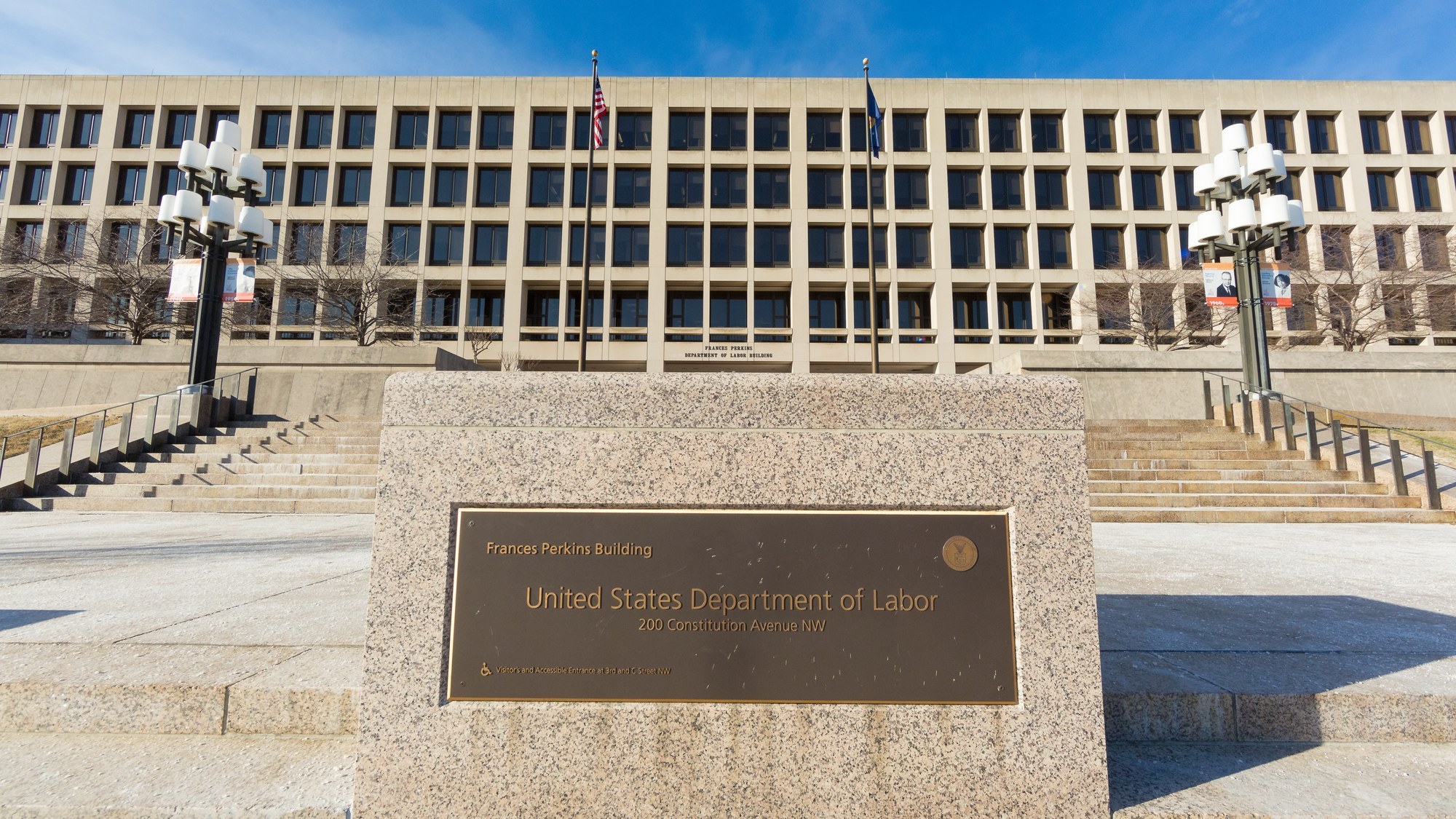
Labor costs add another layer of pressure. Wages and benefits are a major expense for restaurants, and operators must comply with federal rules overseen by the U.S. Labor Department on minimum pay, overtime, and workplace standards. When pay scales rise faster than traffic, managers face hard choices about staffing levels, hours of operation, and the pace of expansion. Many are experimenting with smaller menus, reduced service models, or technology to limit payroll, but those shifts can erode the hospitality that draws customers in the first place.
McDonald’s value push and Rubio’s bankruptcy filing
McDonald’s, the world’s largest fast-food chain, offered a clear window into the problem during its third-quarter earnings covering July through September 2025. The company boosted sales by emphasizing value offerings, but its executives warned that customers remain pressured, according to Associated Press reporting on the results. McDonald’s leadership specifically addressed declining visits among lower-income consumers, a signal that the trade-down effect is not limited to casual dining but reaches into the quick-service tier where meals are already among the cheapest available.
The chain’s strategy has leaned on bundles, limited-time discounts, and digital app deals to keep budget-conscious diners engaged. These tactics can support traffic in the short term, but they also compress margins and train customers to wait for promotions. If inflation in food and labor continues to run hotter than overall price growth, even a giant like McDonald’s has limited room to absorb higher costs without further price hikes or cost cuts elsewhere.
If McDonald’s, with its scale and pricing power, is feeling the drag, smaller and mid-tier operators face far steeper odds. Rubio’s Coastal Grill illustrated that reality when it filed for Chapter 11 bankruptcy to facilitate a sale process. The chain’s filing was not a routine balance-sheet cleanup; it was designed to find a buyer and hand off the business to new owners. That step underscored how vulnerable regional brands can be when traffic softens and debt burdens leave little room to maneuver.
Rubio’s situation also highlights a broader challenge for fast-casual concepts built on fresher ingredients and higher check averages than traditional fast food. Their costs are structurally higher, but many of their customers are the same households now trading down to cheaper options. When those diners cut back, revenue can fall faster than expenses can be reduced, pushing operators toward abrupt closures or distressed sales.
What comes next for restaurants and diners
The combination of elevated menu prices, flat real spending, and rising labor costs suggests the industry is still in the early stages of adjustment. Some restaurants will respond by doubling down on value and convenience, chasing volume from cost-conscious guests. Others will try to differentiate with unique experiences, betting that a smaller base of higher-spending customers can sustain them.
For diners, the near-term outlook points to continued trade-offs: more meals cooked at home, more selective restaurant visits, and careful attention to deals and loyalty rewards when they do eat out. For operators, the test will be whether they can adapt menus, staffing, and pricing fast enough to match what customers are willing and able to pay, without hollowing out the experience that makes going to a restaurant worth the cost.