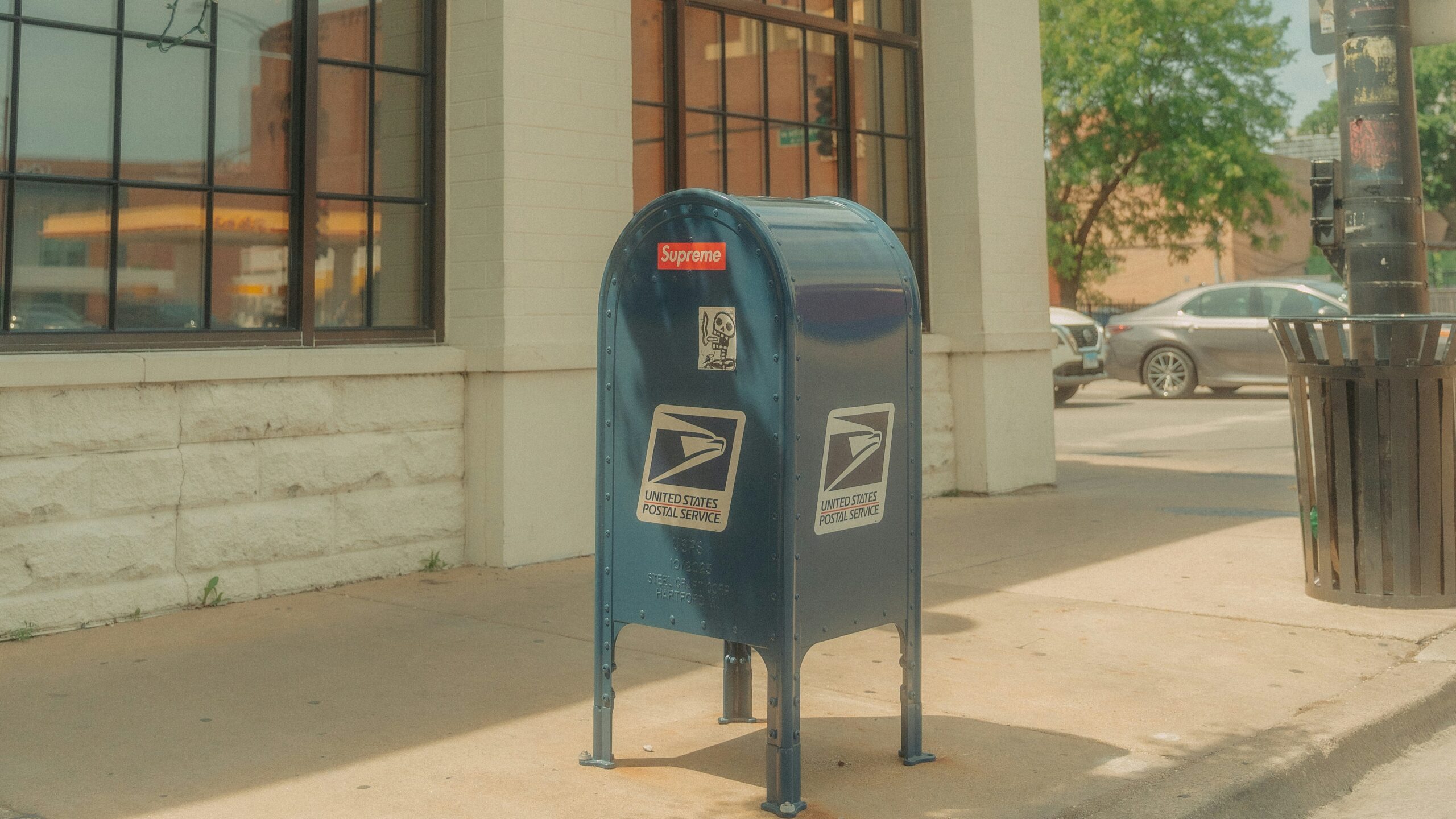
A paper benefit check sitting in a mailbox is an easy target, and mail theft has surged in recent years. Moving Social Security payments to electronic delivery removes the physical check from the equation entirely, which closes off one of the simplest ways a thief can intercept a retiree’s income. For most beneficiaries, electronic payment is not just safer but the standard the government already requires.
Why electronic payment is the rule
Federal benefit payments are generally required to be delivered electronically rather than by paper check. The U.S. Treasury’s Go Direct program, which helps beneficiaries set up electronic payments, explains that recipients of Social Security and other federal benefits are expected to receive them by direct deposit or a prepaid debit card. The shift away from paper checks was driven partly by cost and partly by security, since electronic payments cannot be stolen from a mailbox or lost in transit.
Direct deposit sends the money straight into a checking or savings account on the payment date, where it is available immediately. There is no envelope to intercept, no trip to the bank to deposit a check, and no window during which the payment sits exposed. The Social Security Administration’s direct-deposit information describes how to enroll and update banking details through official channels.
For a retiree, the reliability is as valuable as the security. Payments arrive on schedule regardless of weather, holidays, or mail delays, which matters when a benefit is the foundation of a monthly budget.
Free for readers: Scam calls targeting retirees change every week. The free Retirement Shield newsletter flags the ones going around and the one tell that stops each. Sign up free.
An option for those without a bank account
Not every beneficiary has a traditional bank account, and the system accounts for that. The Direct Express prepaid debit card provides a way to receive federal benefits electronically without a bank. The benefit is loaded onto the card each month, and the card can be used to make purchases, pay bills, and withdraw cash, giving unbanked retirees the same protection against mail theft that direct deposit offers.
The card removes the need to cash a paper check at a store or check-cashing outlet, which often carries fees and its own risks. For a retiree who prefers not to open a bank account or cannot easily do so, the prepaid card is a secure, government-backed alternative that keeps the payment out of the mail stream.
The mail-theft threat electronic payment defeats
The danger a paper check faces is real and growing. The U.S. Postal Inspection Service, which investigates crimes against the mail, warns on its page about mail theft that criminals target mailboxes for checks and personal information, and that stolen checks are frequently altered or cashed fraudulently. A benefit check is a predictable, recurring item that arrives on a known schedule, which makes it especially attractive to thieves.
Electronic payment eliminates that exposure. There is no check to steal, wash, or reroute in the mail, and a beneficiary no longer has to be home on payment day or worry about a check going missing. Combined with monitoring the account for any unexpected activity, direct deposit removes the single most vulnerable point in the old paper system.
Protecting the electronic payment too
Switching to electronic delivery closes the mailbox risk, but the deposit details themselves still need guarding. Changes to where a benefit is deposited should be made only through official Social Security channels, never in response to an unsolicited call, email, or text. Scammers sometimes pose as government officials to trick beneficiaries into rerouting a deposit, so any urgent request to change banking information is a warning sign rather than a legitimate instruction.
Setting up a personal online account with the agency lets a beneficiary review payment history and confirm that deposit information is correct, adding a layer of oversight. For a retiree, the combination is powerful: electronic delivery removes the physical check a thief could grab, and careful control of the deposit details keeps the payment flowing to the right account. Enrolling in direct deposit or the prepaid card, and guarding the account information afterward, is one of the simplest steps a retiree can take to protect a benefit they count on every month.
Comparing the two electronic options
The choice between direct deposit and the prepaid card comes down to a person’s banking situation. For someone with a checking or savings account, direct deposit is usually the simplest path, placing the benefit into an existing account where it can be spent, saved, or paid out through the account’s normal tools. For a person without a bank account, the prepaid card delivers the same electronic security without requiring a banking relationship, and it functions much like a debit card for everyday spending and cash withdrawals.
Both options eliminate the paper check entirely, which is the core security gain. Neither is exposed to mailbox theft, and both deliver funds on the scheduled payment date regardless of weather or holidays. A person can also switch between the two if circumstances change, such as opening a bank account after having used the card, by updating the payment method through official channels.
Setting it up and keeping it secure
Enrolling is straightforward through the U.S. Treasury’s Go Direct service or directly with the Social Security Administration, which can process the banking or card details. Once electronic payment is in place, the ongoing task is simply to protect the deposit information and monitor the account or card for anything unexpected. Any unsolicited request to change where a benefit is deposited should be treated as a red flag, since legitimate changes are initiated by the beneficiary, not prompted by a surprise call or message.
The broader takeaway is that moving away from a paper check is one of the easiest and most effective steps a retiree can take to protect a benefit that anchors their monthly income. Choosing direct deposit or the prepaid card, confirming the details through official channels, and staying alert to rerouting scams together remove the mailbox as a point of vulnerability and keep the payment arriving safely and on time.
Free for readers: Social Security and Medicare change every year, and nobody sends you a memo. The free Retirement Shield newsletter breaks down what changed and what to do. Get it free in your inbox.
This article was researched and drafted with AI assistance and reviewed against the linked primary sources.