President Trump has ordered another 300,000 metric tons of beef into the country without the tariff that normally applies above the existing import quota, aiming to knock down record-high ground beef prices before the holidays. Unlike the administration’s first beef proclamation earlier this year, this one comes with a specific number attached to it: importers have to prove the beef is actually cheaper, or the program can be shut down early.
What the August Proclamation Actually Does
The action, signed August 26, 2026, temporarily expands the in-quota amount for lean beef trimmings — the type used to blend into ground beef — by 300,000 metric tons for the remainder of the year. It builds on a February 2026 proclamation that added 80,000 metric tons from Argentina alone; the new action is allocated entirely to “other countries or areas” and does not touch Argentina’s separate allocation. The additional quantity is being released in three 30-day windows: the first 100,000 metric tons opened September 1 and closed September 30, the second opens October 1, and the third opens October 31 and runs until either it is filled or November 30 arrives, whichever comes first. Only specific lean-trimmings product codes qualify, and the quota is administered on a first-come, first-served basis.
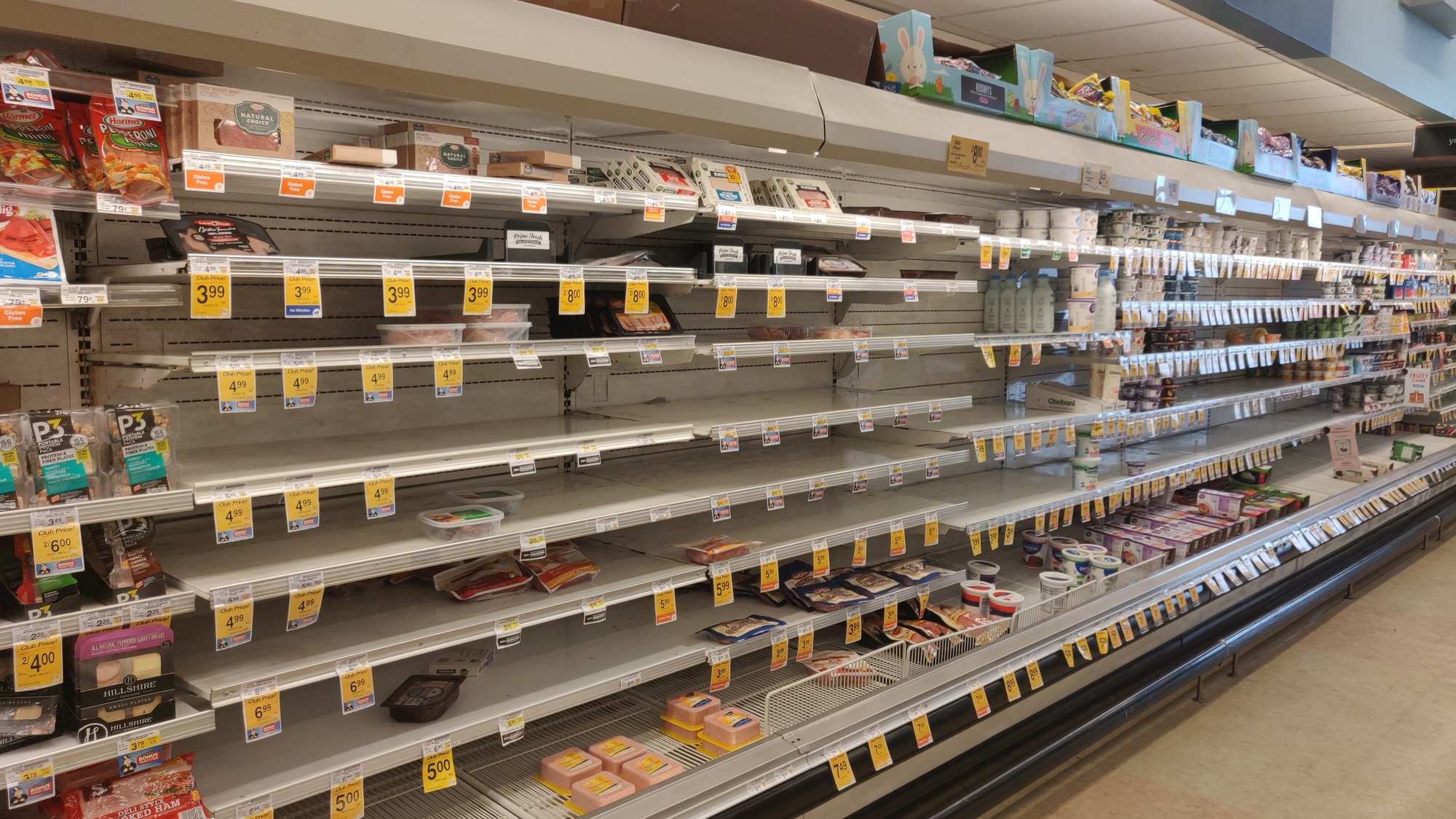
The White House has framed the move as a response to a shrinking domestic cattle herd, which the proclamation says has fallen to its lowest level in 75 years amid drought, wildfire damage to grazing land, and restrictions on live cattle imports from Mexico tied to New World Screwworm containment. The U.S. Department of Agriculture forecasts total domestic beef output will fall roughly 4 percent from 2025 levels even as consumption keeps climbing, a combination the administration says has kept ground beef prices elevated for households already stretched by other cost pressures.
Free retirement updates: Social Security and Medicare change every year, and nobody sends you a memo. Our free Retirement Shield newsletter breaks down what changed and what to do. Get it free in your inbox.
The Built-In Test: A 25 Percent Discount Requirement
What sets this proclamation apart from a routine tariff adjustment is a specific accountability clause written directly into the text. The document directs the Secretary of Agriculture and the U.S. Trade Representative to monitor whether beef imported under the expanded quota is actually sold at a price 25 percent below the prevailing market price for lean beef trimmings. If the two officials determine that imports are not hitting that 25 percent discount threshold, the proclamation requires them to notify the President immediately — specifically so he can decide whether to cancel whatever quota volume remains unused. In effect, the tariff relief is conditioned on passing savings to the market rather than simply padding importer margins, and the administration built itself an off-ramp if that does not happen.
The proclamation also states plainly that the goal is a lower sale price for imported ground beef, and that the action may be ended early “in order to, among other things, prevent a windfall to foreign producers” if that lower price does not materialize. That is an unusually explicit self-monitoring mechanism for a trade action, and it means the 300,000-ton figure is best read as a ceiling on what could be imported, not a guarantee that the full amount will move through the pipeline at a discount.
Why Retail Prices May Not Move Much for Households
Even with the quota fully used, the practical effect on a grocery-store package of ground beef is likely to be modest. The 300,000 metric tons represents roughly 10 percent of beef supply relative to current projections, according to the administration’s own estimate, against a total U.S. beef production forecast north of 11 million tons for the year. Economists interviewed by CNN have cautioned that shoppers should not expect a dramatic drop at the meat counter, since the imported trimmings are blended into ground beef alongside domestic supply rather than replacing it outright, and processing, distribution, and retail markups sit between the import price and the shelf price. The administration itself has said the additional supply is designed to compete only with cull-cow markets rather than significantly affecting the broader fed-cattle market that drives higher-end beef prices.
For household budgets already absorbing a run of price increases across groceries, the more meaningful number for most retirees and fixed-income shoppers may not be the 300,000-ton headline figure at all, but whether the 25 percent test actually gets enforced — and whether USDA and USTR publicly report the results once the tranches close.
What to Watch as the Tranches Close
The first 100,000-ton tranche closed at the end of September, which means the earliest read on whether the discount requirement is being met should become available as the Agriculture Department and Trade Representative compile data from that window. Because the proclamation requires notification to the President if the test fails, any decision to cut the remaining tranches short would likely be a visible, reportable action rather than a quiet policy adjustment. Shoppers watching grocery bills closely may get a clearer signal from ground beef prices at the register over the next two months than from the 300,000-ton figure that made headlines when the proclamation was signed.
This article was produced with the assistance of AI and reviewed by The Financial Wire editorial team.
More Financial Reading
- Adding someone to your bank account: tax traps and smart moves
- The ideal retirement withdrawal rate so your savings actually last