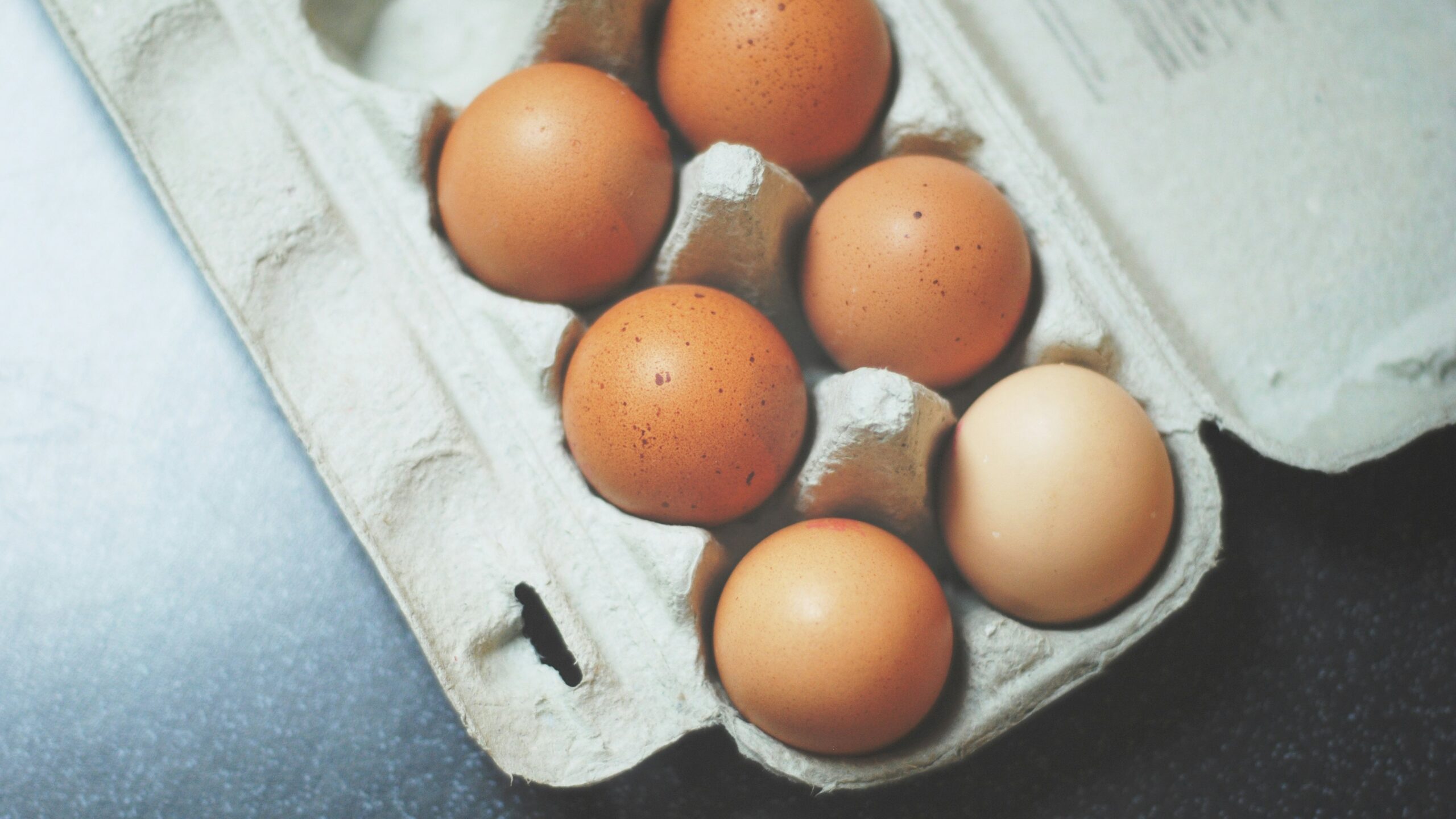
A dozen large eggs at a Kroger in suburban Columbus, Ohio, rang up at $1.89 last week. A year ago, the same carton cost north of $4. Across the country, the national average for Grade A large eggs has dropped back toward $2 a dozen, according to the Bureau of Labor Statistics’ most recent retail price data, a stunning reversal from the record highs that turned a breakfast staple into a punchline about inflation. The relief is real, but it is also isolated: beef and coffee prices keep climbing, and the overall grocery bill heading into summer 2026 is not getting much lighter.
How eggs got cheap again
The price collapse traces directly to what caused the spike: highly pathogenic avian influenza. Since early 2022, HPAI has killed or forced the culling of more than 100 million domestic birds in the United States, according to USDA Animal and Plant Health Inspection Service surveillance records. Each wave of depopulations pulled millions of laying hens out of production almost overnight, and prices responded accordingly. The national retail average peaked above $4.80 a dozen in early 2023, more than double what Americans had been paying before the outbreak.
Now the pressure is easing. Fewer large-scale detections in commercial flocks have let producers rebuild their laying operations, and replacement hens have matured into full production. The USDA Economic Research Service, in its April 2026 Poultry and Eggs Market Outlook, raised its table-egg production forecast and lowered its price projections, citing “higher production expectations” and recent downward trends in wholesale markets. The FRED database, which publishes the BLS retail series, confirms the sharp decline from peak levels. As of the spring 2026 readings, the national average has settled into a range of roughly $2.00 to $2.30 per dozen, depending on the month and region.
“We are finally seeing the flock rebuild translate into real relief at the shelf,” said Karyn Rispoli, an egg-market analyst at Urner Barry, a commodity price reporting firm. “Producers have done a remarkable job restocking after devastating losses, and the wholesale market has responded faster than many of us expected.”
Brian Earnest, lead animal protein economist at CoBank, echoed that assessment, noting that the speed of the flock recovery caught even bullish forecasters off guard. “When you have strong economic incentive and no new major disease events, the U.S. poultry industry can ramp up faster than almost any other protein sector,” he said.
For shoppers, the result is visible on the shelf. Promotional prices below $2 a dozen have reappeared at major chains in parts of the Midwest and South, though consumers in higher-cost metro areas and at smaller independent stores may still see prices above the national average. Store-brand cartons, as usual, tend to run cheaper than name-brand or specialty eggs, and the gap between conventional and cage-free has widened again as conventional supply has recovered more quickly.
Beef and coffee are still climbing
The egg reprieve stands out because so little else in the grocery store is getting cheaper. The April 2026 Consumer Price Index release from the Bureau of Labor Statistics shows the beef and veal index still grinding higher, with year-over-year increases running around 7 percent. Ground beef (100% beef, all sizes) has been averaging above $5.50 per pound nationally, while retail prices for choice-grade steaks have pushed past $11 per pound in many markets.
The underlying problem is structural. The U.S. cattle herd has been shrinking for years, squeezed by persistent drought in key ranching states like Texas and Kansas and by high input costs that discouraged producers from holding back heifers to expand. Rebuilding a cattle herd is a multi-year process: a cow bred today will not produce a market-ready steer for roughly two and a half years. Analysts at the USDA and at private firms like CattleFax do not expect meaningful retail relief before 2027 at the earliest.
Coffee tells a parallel story driven by different forces. Severe weather in Brazil and Vietnam, the world’s two largest producing countries, has tightened global supplies of both arabica and robusta beans. The International Coffee Organization’s composite indicator price has hovered near its highest levels in more than two decades through the first half of 2026, and those elevated costs have flowed through to American store shelves. The BLS average retail price for ground roast coffee has climbed above $7.50 per pound, a level that would have seemed absurd just a few years ago. Unlike eggs, where a domestic production rebound can move prices in a matter of months, coffee depends on harvests an ocean away and supply chains that take far longer to adjust.
Taken together, beef and coffee illustrate a frustrating truth for household budgets: grocery inflation is not one number. One category can plunge while others keep rising, and the items that stay expensive often carry more emotional weight at the dinner table than a carton of eggs.
Why the egg relief may not last
Bird flu has not been eradicated. APHIS still classifies the HPAI outbreak as ongoing and maintains its indemnity and depopulation protocols, meaning a single confirmed case at a large laying facility could trigger the destruction of hundreds of thousands of hens within days. Migratory waterfowl, the primary reservoir for the virus, will begin their fall movements later this year, and every migration season since 2022 has brought renewed risk for commercial poultry operations.
Even without another disease shock, producers face cost pressures that could slow the price decline. Feed, which accounts for the largest share of egg-production expenses, remains sensitive to grain-market swings. Labor shortages in agriculture have not eased, and energy costs for climate-controlled henhouses add up quickly in summer heat. If input costs rise faster than retail prices fall, some smaller operations could cut back, tightening supply from the other direction.
On the demand side, basic economics predicts that consumers will substitute toward whichever protein is cheapest. With eggs suddenly affordable and beef still elevated, that logic suggests omelets and frittatas could start replacing some steak nights. But shopping habits are stubborn, and there is no published scanner data yet confirming a measurable shift in purchasing patterns. Whether families actually change what they cook, or simply enjoy paying less for the eggs they were already buying, will shape how durable the price drop turns out to be.
A carton worth grabbing while the price holds
One cheap item does not fix an expensive cart. The BLS food-at-home index remains well above pre-pandemic levels, and categories like dairy, snacks, and processed foods have shown little sign of retreating. Uncertainty around trade policy and import costs adds another variable that could push prices in either direction before the year is out.
Still, eggs near $2 a dozen represent something shoppers have not had in a long time: a genuine, measurable win backed by federal data and improving supply fundamentals. Whether it holds through fall migration season and into 2027, or becomes another brief dip in a volatile stretch for American grocery prices, depends largely on a virus that has already proven it can upend a market overnight. For now, the smart move is the simple one: buy the eggs.