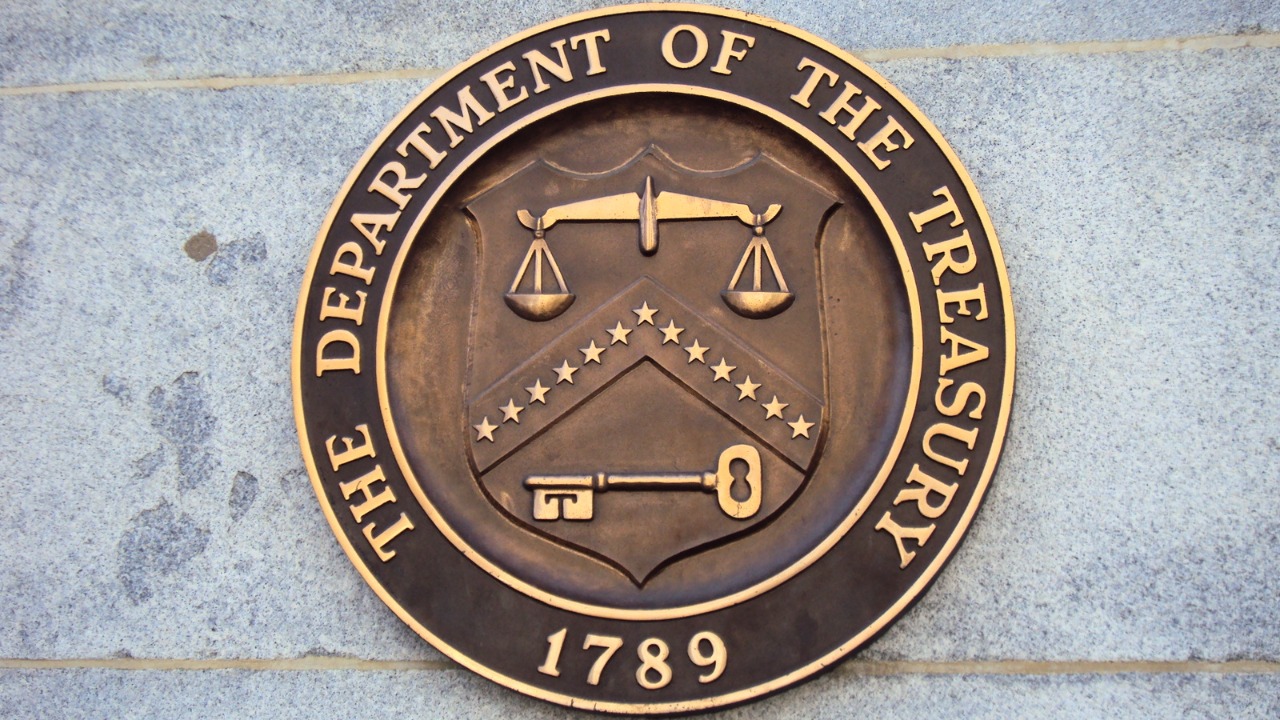
June 15 is 24 days away, and for anyone who earns money without an employer withholding taxes, that date is a hard payment deadline. Miss it by even one day and the IRS begins charging an underpayment penalty on June 16, plus interest that compounds daily. Worse, this particular penalty comes with a catch that surprises people every filing season: the agency almost never waives it, no matter how good your excuse.
The deadline covers the second quarterly estimated-tax installment for 2026 and applies to freelancers, independent consultants, rideshare and delivery drivers, sole proprietors, and anyone else whose income doesn’t flow through a W-2 paycheck. Below is a breakdown of what triggers the penalty, how much it can cost, and exactly how to pay before the clock runs out.
Why June 15 matters and what triggers the penalty
The U.S. tax system operates on a pay-as-you-go basis. Salaried employees satisfy that requirement through automatic paycheck withholding, but self-employed and gig workers must send their own installments four times a year. The IRS lays out the full 2026 schedule in Publication 505, Tax Withholding and Estimated Tax: the second-quarter payment covers income earned from April 1 through May 31 and is due June 15. (The remaining deadlines are September 15, 2026, and January 15, 2027.)
When a payment arrives short or late, the IRS applies an underpayment penalty for every day the balance remains outstanding. The penalty rate equals the IRS interest rate for individual underpayments, which has held at 7% annually through the first two quarters of 2026, according to the agency’s quarterly interest-rate announcements. A contractor who skips the June installment entirely and doesn’t catch up until October will rack up roughly four months of charges, even if she files a timely annual return the following April.
The rules don’t distinguish between paying nothing and paying most of what you owe. If the installment falls short of the safe-harbor formulas in the tax code, the unpaid portion is treated as late from day one. For gig workers whose income can spike in a single month, that can mean a surprisingly large shortfall.
The safe-harbor thresholds most people overlook
Not every self-employed filer owes the penalty. Under IRC §6654, you can avoid it entirely if your quarterly payments (plus any withholding from other income sources) cover at least one of two benchmarks:
- 90% of the total tax you will owe for 2026, paid in on time through the quarterly schedule, or
- 100% of the tax shown on your 2025 return (110% if your 2025 adjusted gross income exceeded $150,000, or $75,000 if married filing separately).
Most tax professionals steer gig workers toward the second option because it relies on a number you already know. If your 2025 tax bill was $10,000, sending $2,500 per quarter keeps you inside the safe harbor regardless of whether 2026 turns out to be a much bigger earning year.
There is also a lesser-known tool for workers whose income is heavily concentrated in certain months: the annualized-income installment method, calculated on Schedule AI of Form 2210. It lets you base each quarter’s required payment on the income you actually earned during that period rather than dividing the year into four equal chunks. A rideshare driver who earns most of her money in the summer, for example, could owe a smaller installment for Q1 and a larger one for Q3, reducing or eliminating the penalty for lighter quarters.
Why “reasonable cause” won’t rescue you
Many taxpayers assume they can call the IRS, explain a hardship, and get the penalty dropped. That approach sometimes works for late-filing or late-payment penalties tied to the annual return, but the estimated-tax underpayment penalty follows a stricter rule under IRC §6654(e). The Internal Revenue Manual confirms that this charge generally cannot be abated on the basis of reasonable cause alone.
Narrow statutory exceptions exist. Certain federally declared disasters, specific situations involving disability or retirement after age 62, and a handful of other unusual circumstances can qualify a taxpayer for relief. But everyday problems (clients paying slowly, confusion about how much to send, a sudden lull in delivery orders) do not meet the bar.
For gig workers, the practical consequence is stark. A W-2 employee whose employer withholds slightly too little can usually close the gap at filing time with a modest balance due and no separate underpayment charge, provided withholding met the safe-harbor thresholds. An independent contractor who skips an entire quarterly installment, by contrast, faces a penalty that starts accruing automatically on June 16. Calling the IRS afterward to cite cash-flow problems will not make the charge go away.
How interest stacks on top of the penalty
Separate from the underpayment penalty, the IRS charges interest on any unpaid tax balance starting from the original due date. The rate is set by a statutory formula tied to the federal short-term rate and can change every quarter. Through the first half of 2026, the rate for individual underpayments has remained at 7% annually, compounded daily. Because the rate resets each quarter, a taxpayer who stays delinquent across Q2 and Q3 could see different rates applied to portions of the same debt if the IRS adjusts the figure in its next announcement.
Interest applies not only to the underlying unpaid tax but, once assessed, can also attach to certain penalties. That layering effect means the total bill grows faster than most filers expect. A contractor who owes $3,000 for the April-through-May period and delays payment from June until the following January could see the original liability swell by several hundred dollars after months of combined penalty accrual and compounding interest.
How to make the payment before June 15
The IRS accepts estimated-tax payments through several channels, all available without mailing a paper check:
- IRS Direct Pay pulls the payment directly from a bank account at no cost. Select “Estimated Tax” and the 2026 tax year, and the system timestamps the transaction immediately.
- EFTPS (Electronic Federal Tax Payment System) requires enrollment but lets you schedule payments in advance, which is useful for locking in all four quarterly installments at once.
- Credit or debit card payments go through IRS-approved processors. Each processor charges a convenience fee, so compare rates before choosing one.
- Form 1040-ES voucher can be mailed with a check. Under general IRS rules, a mailed payment is considered timely if it is postmarked by the due date and sent through the U.S. Postal Service. Still, electronic payment removes any risk of postal delays if you are close to the deadline.
Whichever method you choose, keep a confirmation number or receipt. If a payment is later disputed or misapplied, that record is your fastest path to getting the charge reversed.
State deadlines that can double the damage
Federal estimated taxes are only part of the equation. Most states with an income tax impose their own quarterly estimated-payment requirements, and many mirror the June 15 federal deadline. Penalties and interest rules vary: some states charge a flat percentage per month of underpayment, while others follow a formula similar to the federal model. Gig workers who drive or freelance across state lines may owe estimated payments in more than one state, so it is worth checking each state’s department of revenue website now to confirm due dates, payment portals, and any safe-harbor rules that differ from the federal thresholds.
With 24 days left, the math is straightforward. Pull up your 2025 return, divide the total tax by four (or by the 110% figure if your AGI topped $150,000), and send at least that amount through one of the electronic options above. It takes about ten minutes, and it is far cheaper than letting the IRS do the math for you on June 16.