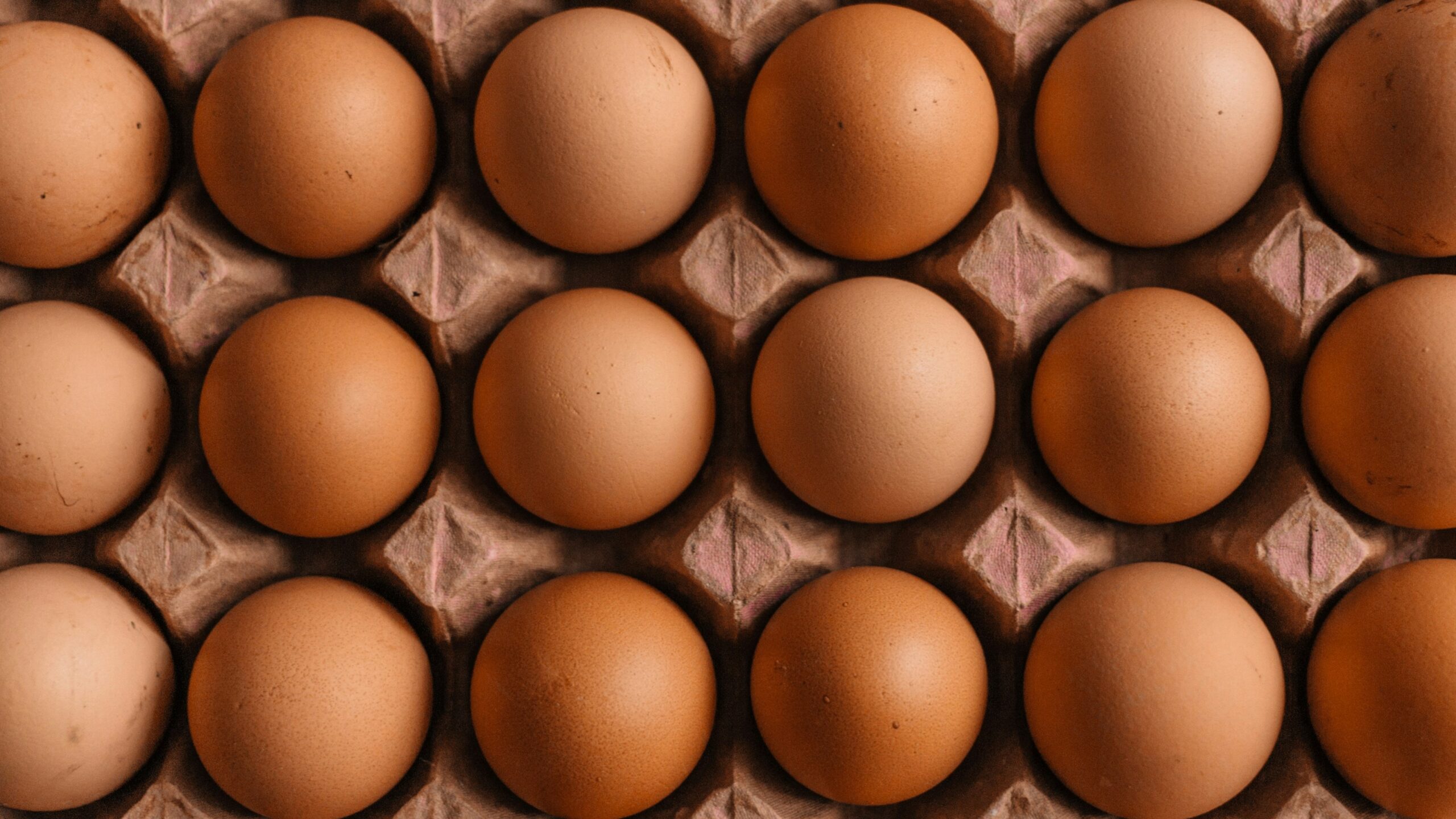
Retirees living on fixed incomes absorbed another hit at the grocery store in June 2026, as egg prices climbed 4.3 percent in a single month while overall food costs rose 3.0 percent compared with a year earlier. The spike landed even as the broader Consumer Price Index posted its steepest monthly drop in six years, a split that highlights how headline inflation numbers can mask the price pressure on specific staples that older Americans buy every week.
Why a 4.3 percent monthly egg surge hits retirees hardest
The disconnect between falling overall prices and rising grocery costs is not abstract for households that depend on Social Security checks or pension payments. The official CPI tables from the Bureau of Labor Statistics show that the eggs index jumped 4.3 percent in June 2026, helping push the broader meats, poultry, fish, and eggs category up 0.6 percent for the month. Food at home, the BLS category that tracks grocery store spending, rose 2.7 percent over the 12 months ending in June. Because retirees typically spend a larger share of their budgets on food than working-age households do, a sustained run of above-average grocery inflation erodes purchasing power faster than a cost-of-living adjustment can restore it.
Eggs play an outsized role in many older adults’ diets. They are a relatively affordable source of protein, easy to prepare, and a staple in low-cost meals from omelets to casseroles. When prices jump by more than 4 percent in a single month, retirees who plan their shopping lists down to the dollar have few easy substitutions. Cutting back on eggs can mean cutting back on protein, while shifting to restaurant meals is rarely an option on a fixed income. For seniors who already trade brand names for store labels and buy in smaller quantities because of storage limits, even modest price spikes can force uncomfortable choices between nutrition and other essentials.
The hypothesis that monthly egg price surges above 4 percent will recur whenever layer flock liquidation rates exceed 5 percent deserves scrutiny. Egg production is tightly linked to flock health, and avian influenza outbreaks have repeatedly triggered mass culling events that shrink supply for months. The USDA’s poultry analysts note that retail egg price volatility often stems from these sudden supply shocks and from feed costs that do not reverse quickly. While the available data do not yet confirm a specific 5 percent liquidation threshold, the pattern of sharp monthly price jumps following flock losses has repeated across multiple recent outbreak cycles. For retirees, the cause of the spike matters less than its persistence: if disease-driven shortages keep recurring, temporary relief in one month may be offset by another sudden increase the next.
BLS data show grocery inflation outpacing the headline decline
The June 2026 CPI release paints two very different pictures depending on which line a reader examines. According to the Joint Economic Committee, the all-items CPI-U fell 0.42 percent for the month, the biggest monthly decline in six years. Over the full year, the CPI-U rose 3.5 percent, suggesting that overall inflation is cooling. Yet food prices told a different story. The BLS Economics Daily summary confirmed that food prices climbed 3.0 percent year over year, with food at home up 2.7 percent and food away from home up 3.4 percent.
Eggs stand out within that broader grocery trend. A 4.3 percent single-month increase is far steeper than the 2.7 percent annual pace for the food-at-home category, meaning egg prices are rising more than ten times faster than the overall grocery index did over the past year. For retirees who shop weekly, that kind of jump is immediately visible at the checkout line. Even if other categories such as fresh vegetables or cereals remain relatively stable, a surge in a core staple like eggs can dominate the perception of inflation, especially when it follows earlier bouts of volatility tied to disease outbreaks and supply chain disruptions.
That divergence between headline and grocery inflation also complicates policy debates. Cost-of-living adjustments for Social Security are based on broad inflation measures, not on the specific basket of goods that older Americans buy most often. When the overall index falls because of cheaper energy or durable goods, annual benefit increases can lag behind the reality in supermarket aisles. Retirees then shoulder the gap, either by dipping into savings, carrying balances on credit cards, or cutting back on nutrition and other essentials. As June’s egg spike shows, focusing solely on the headline CPI can obscure the financial strain many seniors still face.
Free tool for readers: Not sure whether your own retirement is on track? You can check your free Retirement Safety Score — a 0–100 number plus a few personalized steps — in about five minutes, with no sign-up required to see your score.