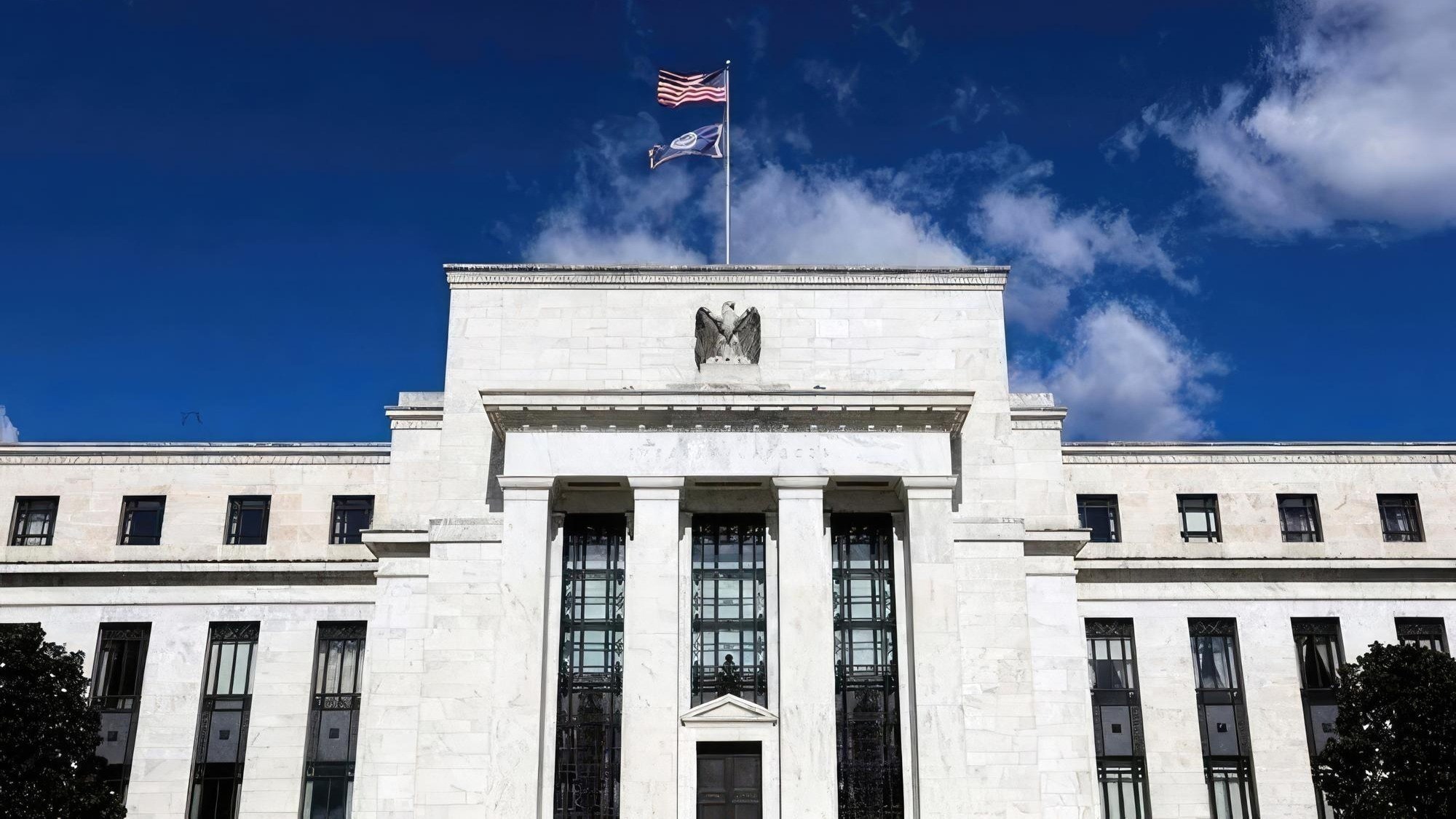
Bank collapses make dramatic headlines, and the images of locked lobbies can convince older savers that a failure means their money is trapped or gone. The reality for insured deposits is far less alarming. When a federally insured bank fails, the money within the coverage limits does not disappear and does not sit frozen for weeks. It is typically back in a depositor’s hands the next business day, often without any interruption in day-to-day banking at all.
What actually happens the morning after a bank closes
Bank failures in the United States are handled by the Federal Deposit Insurance Corporation, the federal agency that both insures deposits and steps in as receiver when an institution collapses. A closing is almost always timed for a Friday, giving the agency the weekend to move accounts before the next business day.
There are two ways the FDIC returns insured money, and both are fast. In the far more common outcome, a healthy bank agrees to assume the failed bank’s deposits. Branches reopen, usually the next business day, and customers keep using their existing checks, cards, and account numbers with no meaningful gap in service. Many depositors learn of the failure only from the news.
When no acquiring bank steps forward, the agency pays each depositor directly, generally by check for the insured balance in every account. According to the FDIC’s deposit insurance guidance, this payment historically arrives within a few days of the closing and usually by the next business day. The agency’s stated goal is to make insurance payments within two business days of a failure.
Free retirement updates: Want plain-English help keeping more of your money in retirement? The free Retirement Shield newsletter covers scams, benefits, and money many retirees may be owed, a couple times a week. Subscribe free.
Where the $250,000 line draws the difference
The speed and the certainty apply to insured deposits, meaning balances within the coverage limits. The standard limit is $250,000 per depositor, per insured bank, for each ownership category. Money at or under that threshold is the money that reappears within a business day.
Balances above the limit are treated differently. The portion of an account that exceeds the insured amount becomes a claim against the failed bank’s remaining assets, and a depositor may recover some, all, or none of it over a longer and less predictable timeline as the receivership sells off what the bank owned. That uninsured slice is the only part of a deposit that faces real delay or loss, which is why keeping balances organized under the coverage rules matters so much for retirees who hold large sums in cash.
A handful of accounts can also take extra time even when fully insured. Deposits tied to complex trust arrangements or opened through a third-party broker may require the agency to gather additional documentation before it can confirm exactly how much coverage applies.
Why a “run” on an insured account rarely makes sense
The next-business-day rule is precisely why federal officials urge insured customers not to panic-withdraw at the first rumor of trouble. Rushing to pull cash out of a wobbling bank offers no advantage over the insurance system for money already within the limits, and it can create its own risks, from carrying large amounts of cash to becoming the target of a scam.
The protection also holds regardless of the failed bank’s finances. Deposit insurance is backed by the full faith and credit of the United States government, and the FDIC notes that no depositor has lost a penny of insured funds since the agency was created in 1933. The guarantee does not depend on the health of any single institution.
The steps that make a failure a non-event
A depositor who wants a bank failure to be a genuine non-event can prepare with a few simple habits. Confirming that a bank carries FDIC insurance, keeping balances within the coverage limits across the proper ownership categories, and retaining recent statements all shorten any claims process and remove guesswork. The FDIC’s overview of what happens when a bank fails lays out the depositor’s rights in plain terms.
For the typical older saver whose accounts sit comfortably under $250,000, the bottom line is reassuring: a failure is an administrative event handled over a weekend, and the insured money is available again by the time the doors would ordinarily open. The headlines are loud, but the coverage is quiet and reliable.
What a failure means for loans and safe deposit boxes
A closing reaches beyond checking and savings, and the agency’s guidance addresses the other relationships a customer may have with the bank. A borrower’s obligation does not vanish when the bank fails. Loans and mortgages are among the assets the receiver takes over, so payments continue as before, simply directed to whoever acquires the loan, and the terms of the original agreement carry forward unchanged. A depositor who is also a borrower still owes what was borrowed, on the same schedule.
Safe deposit boxes sit on a separate track from insured deposits, because their contents were never deposits in the first place. When a healthy bank assumes the failed institution, boxes typically stay right where they are and remain accessible at the same branch. If no acquirer steps in, the agency notifies box holders about how and when to retrieve their belongings. Knowing that loans keep running and box contents are accounted for removes two of the loose-end worries that make a failure feel more chaotic than it is, and it leaves the insured cash, the part that matters most day to day, on its quick next-business-day timeline.
This article was researched and drafted with AI assistance and reviewed against the linked primary sources.
More Financial Reading
- How many CDs can you park at 1 bank? FDIC rules you must know
- Bank statements: how long to keep them and when to toss them