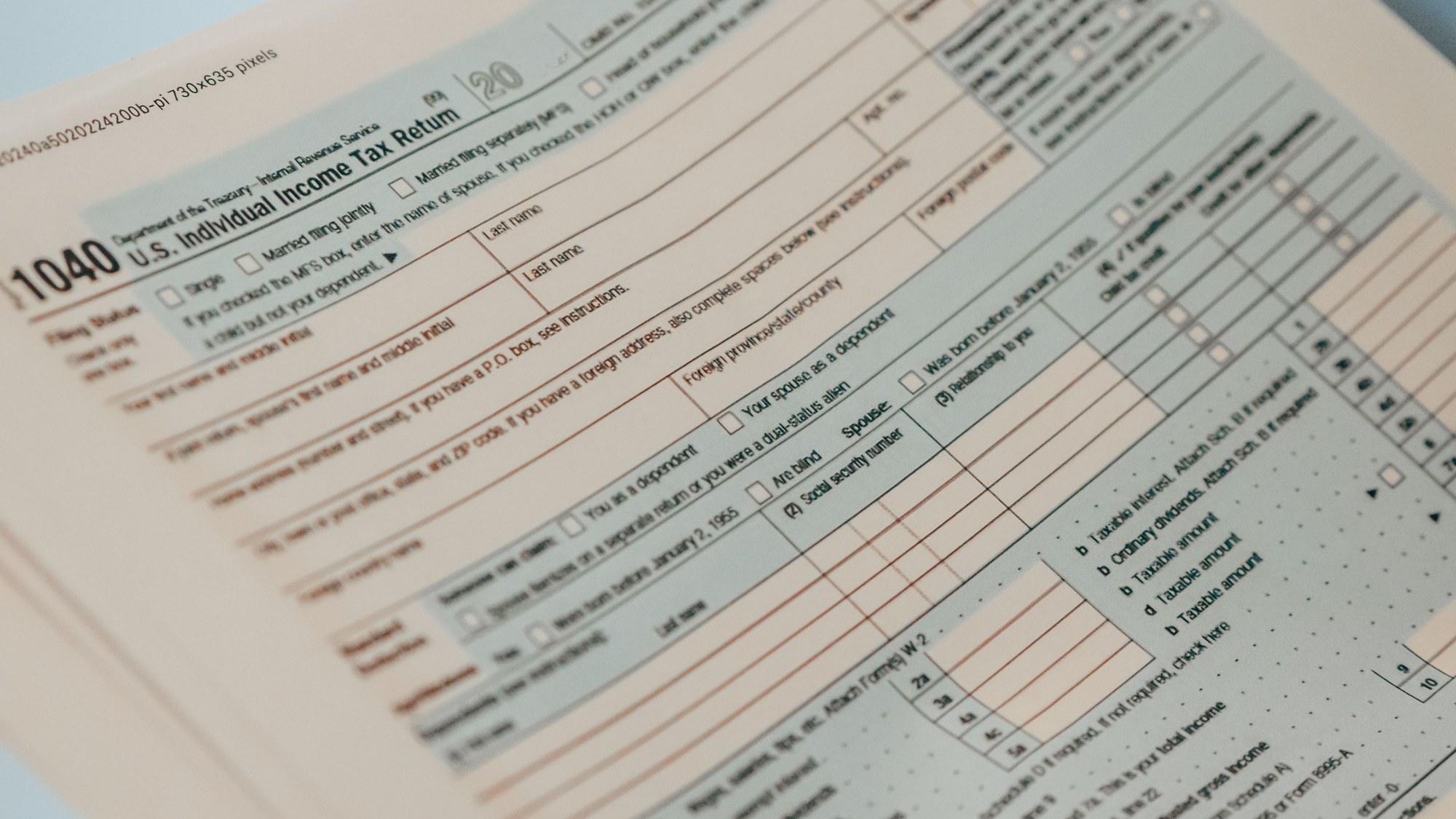
The Internal Revenue Service used a formal reminder on August 26, 2026 to push extension filers toward finishing their 2025 tax returns well ahead of the October 15 deadline, rather than waiting until the final days of the filing window. The notice, numbered IR-2026-101, is aimed at anyone who requested the automatic six-month extension back in the spring and still has not filed, a group that regularly includes retirees sorting through corrected 1099 forms, brokerage statements, or paperwork tied to an inherited account that arrived later than expected.
A Formal Nudge Ahead of a Deadline That Does Not Move
An extension pushes back the filing date, but it never pushes back the payment date, a distinction the IRS’s own release repeats directly. Anyone who still owes tax for 2025 is expected to have paid as much of it as possible already, since interest and penalties on an unpaid balance keep accruing regardless of whether the return itself has been submitted. Filing sooner rather than later, the release notes, also means avoiding the crush of returns the IRS processes in the final days before an extension deadline, when errors are more likely and support lines are busiest.
The extension itself was automatic for anyone who requested it back in the spring, meaning no further action was needed at the time to push the filing date from the regular spring deadline out to October. That automatic approval is easy to mistake for a second chance to file whenever convenient, but the release makes clear the reprieve was only ever about the paperwork deadline, never about the underlying tax bill. A filer who assumed the extension also bought more time to pay is exactly the person this reminder is aimed at.
October 15 is not a soft target. Once that date passes, an extension filer who still has not submitted a return has run out of runway, and any additional delay compounds both the failure-to-file exposure and whatever balance is still outstanding. Retirees living on a fixed income have an added reason to move early: resolving a filing now, while there is still time to correct an error or arrange a payment plan, avoids discovering a problem in the final week when options for fixing it are far more limited. A return that turns out to need a correction, for instance because a corrected 1099 arrived after the original filing, is also far easier to fix with weeks of runway left than in the final days before the deadline closes.
Free retirement updates: Keep more of your Social Security and savings with plain-English updates on the changes, deadlines, and costly mistakes retirees miss. Subscribe free.
Free File Stays Open Through the Deadline, Not Just Tax Season
A common assumption is that IRS Free File closes once the regular April filing season ends, but the program actually stays open through the extension deadline itself. The IRS confirmed in its release that Free File remains available through October 15, 2026, offering free, guided federal tax preparation software to filers with a 2025 adjusted gross income of $89,000 or less. The software walks a filer through each step, runs built-in error checks before submission, and in many cases includes a free state return through the same participating provider.
Filers whose 2025 income exceeds that threshold are not shut out entirely. The IRS points them instead to Free File Fillable Forms, an electronic version of the paper 1040 that does not walk a filer through the return the way the guided software does but still allows a free electronic submission for anyone comfortable preparing their own return. Either path lets a filer submit electronically and, for anyone due a refund, choosing direct deposit is the fastest way the IRS says a refund can arrive once the return has been processed.
What to Do if the Money Owed Is the Real Obstacle
Filers who have put off finishing their return because they are worried about a balance they cannot pay in full have a separate option that does not require waiting until the deadline to act. The IRS maintains an online payment agreement application that lets a taxpayer request an installment plan once a return has been filed, and setting one up sooner limits how much additional interest and penalty accrues compared with leaving an unfiled, unpaid return sitting until October 15. Filing the return itself is a separate step from resolving the balance, and the IRS’s guidance treats them that way: submit the return through Free File or another method first, then address payment through an installment agreement if the full amount cannot be paid at once.
That sequencing matters because the IRS consistently frames the return itself as the priority even when the balance due is not fully resolved, and its own guidance treats an unfiled return as the more urgent problem to fix first. A retiree who owes tax on a required distribution or on investment income reported late by a brokerage is not better off waiting until the money is in hand; submitting the return through Free File now and arranging payment separately through the installment agreement tool keeps the process moving instead of stalling on both fronts at once.
For extension filers who have already gathered the paperwork they were waiting on, whether a late 1099 from a brokerage, a corrected K-1 from a partnership, or documentation from an inherited retirement account, the practical takeaway from this reminder is straightforward: the tools to finish the return for free are already open, and there is no advantage to holding out until the final days before October 15 to use them.
This article was produced with AI assistance and reviewed by The Financial Wire editorial team.
More Financial Reading
- The ideal retirement withdrawal rate so your savings actually last
- Bank statements: how long to keep them and when to toss them