The January Decision and What Changed
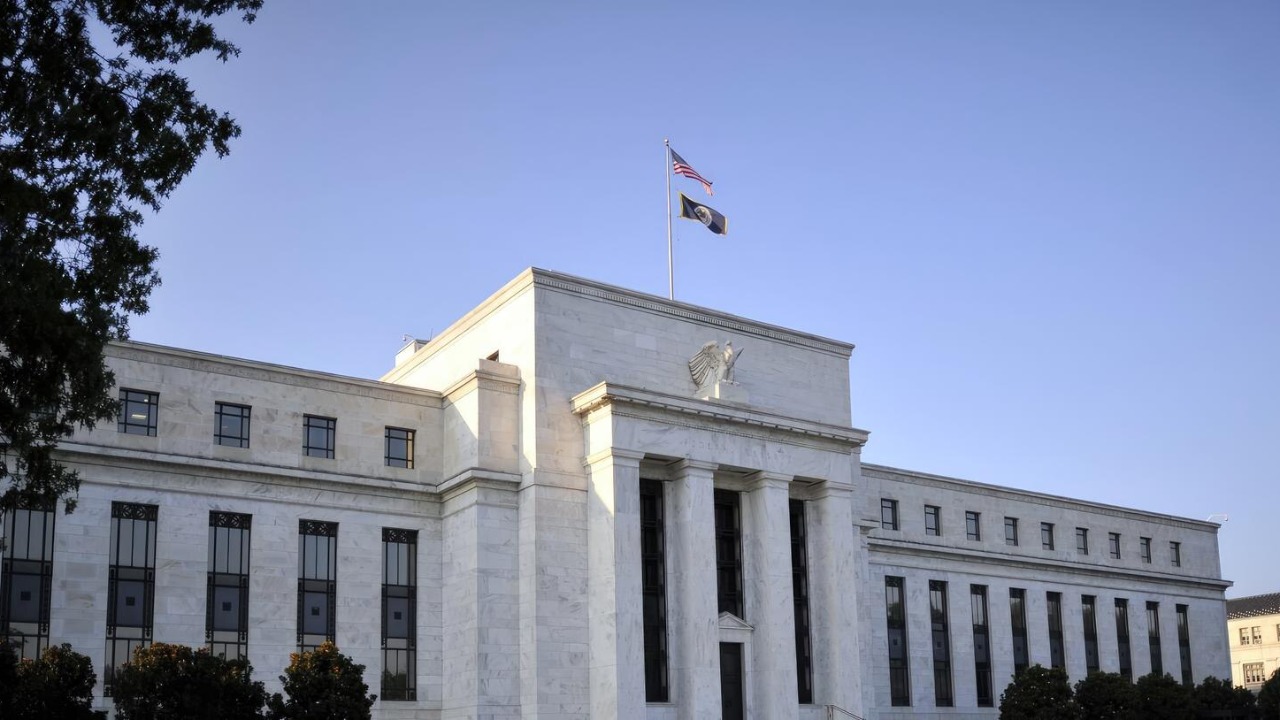
The Federal Open Market Committee voted to keep the federal funds rate at 4.25% to 4.50%, as confirmed by the implementation note released alongside the decision. On its face, a hold is not news. What shifted was the tone of the accompanying statement and the data environment framing it. The FOMC statement acknowledged that labor market conditions had softened, a notable change from prior language that characterized employment as broadly stable. Traders and analysts often look to such wording shifts for clues about the policy path, and some read the change as a sign that a rate reduction could come as soon as the March meeting.December Jobs Data Told a Weak Story
The employment picture heading into the January meeting was weaker by recent standards. The Bureau of Labor Statistics reported in its Employment Situation Summary that December 2025 nonfarm payrolls grew at a sluggish pace, with revisions shaving jobs from earlier months. The unemployment rate slipped to 4.4%, according to the Associated Press, which also noted signs of labor-force pullback alongside the headline rate move. Shutdown-related disruptions also clouded the data. The agency published a separate schedule of revised release dates tied to 2025 and 2026 appropriations lapses. Several key economic reports arrived late, meaning the Fed was making its January decision with a less-complete picture of the real economy. That data gap matters more than it might seem. The Fed has repeatedly described itself as “data dependent,” but when the data itself is delayed by government shutdowns, that framework gets tested. Officials had to weigh whether the weakness they saw in December payrolls reflected a genuine slowdown or a statistical artifact. The January statement’s emphasis on softer labor conditions suggests the Committee put more weight on the downside risks.Inflation Stuck Above Target but Losing Momentum
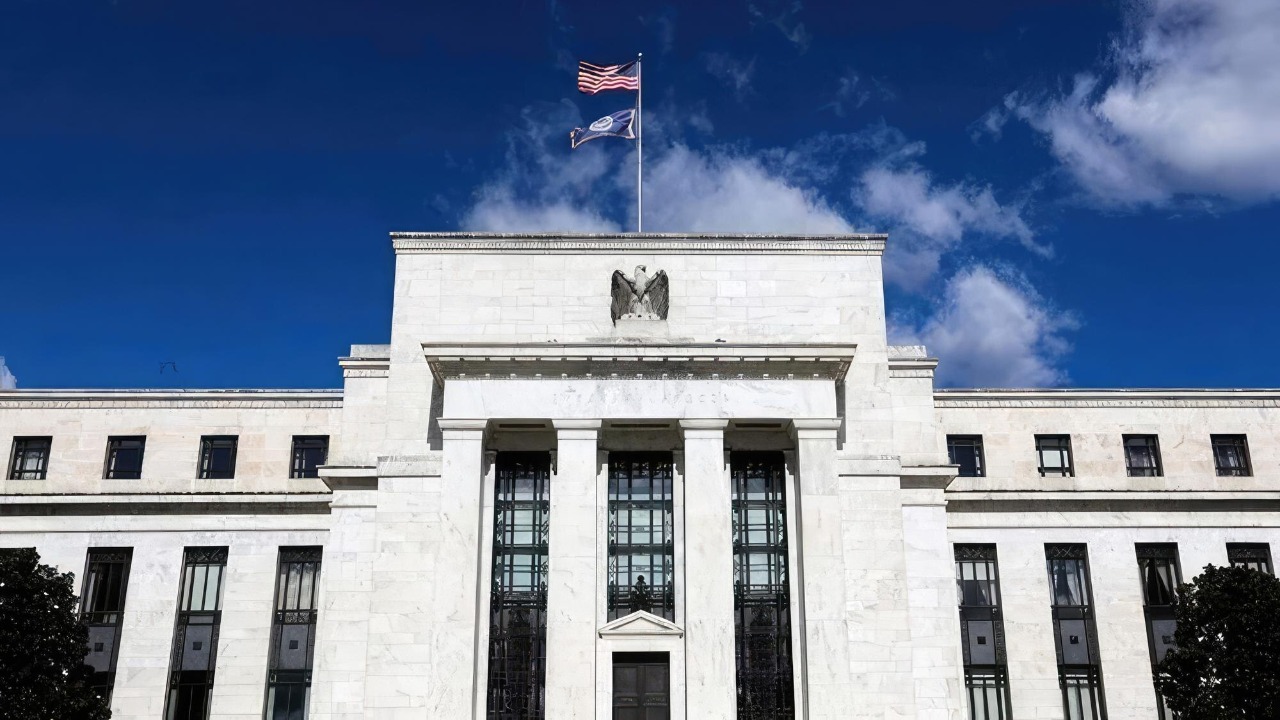
The other half of the Fed’s dual mandate, price stability, offered a mixed case for cutting. The Bureau of Economic Analysis published its Personal Income and Outlays report for December 2025, which included the PCE price index and core measures that the Fed treats as its preferred inflation gauge. Prices remained above the 2% annual target, but consumer spending showed signs of cooling. This creates a tension that is easy to miss. A common narrative is that the Fed cannot cut rates while inflation runs hot. But the Committee may be weighing a different calculation: if the labor market deteriorates fast enough, waiting for inflation to hit exactly 2% before easing policy could increase downside risks. That is the balance policymakers are signaling they are watching more closely. That trade-off explains why the January statement language shifted. Rather than treating employment and inflation as competing priorities that require opposite policy responses, the Committee signaled that risks on both sides of the mandate were moving closer to balance. In practical terms, that means the inflation barrier to a rate cut has gotten lower.Shutdown Disruptions Amplify Policy Uncertainty
What a March Cut Would Mean for Borrowers
If the Fed follows through on what the January statement implied, a rate reduction at the March meeting would have immediate consequences for households and businesses carrying variable-rate debt. Credit card rates, adjustable-rate mortgages, and small business lines of credit are all tied directly or indirectly to the federal funds rate. Even a quarter-point cut would lower monthly costs for millions of borrowers who have been absorbing historically high rates for over a year. The housing market stands to benefit as well, though the effect would be indirect and gradual. Mortgage rates are driven more by Treasury yields and investor expectations than by the overnight rate itself. Still, a clear signal that the Fed has shifted to an easing posture would likely pull long-term rates down as bond markets price in additional cuts later in the year.
Vince Coyner is a serial entrepreneur with an MBA from Florida State. Business, finance and entrepreneurship have never been far from his mind, from starting a financial education program for middle and high school students twenty years ago to writing about American business titans more recently. Beyond business he writes about politics, culture and history.