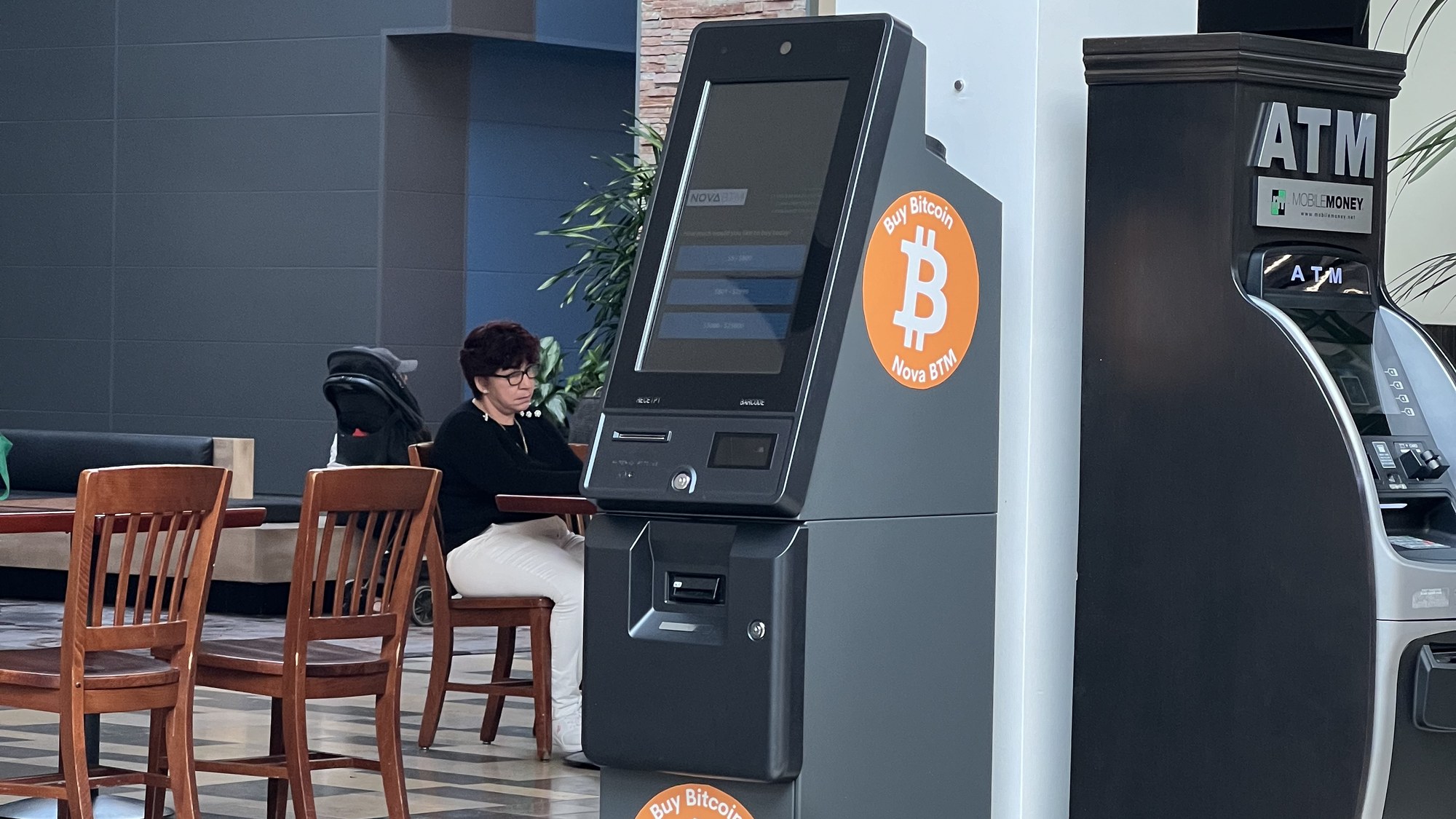
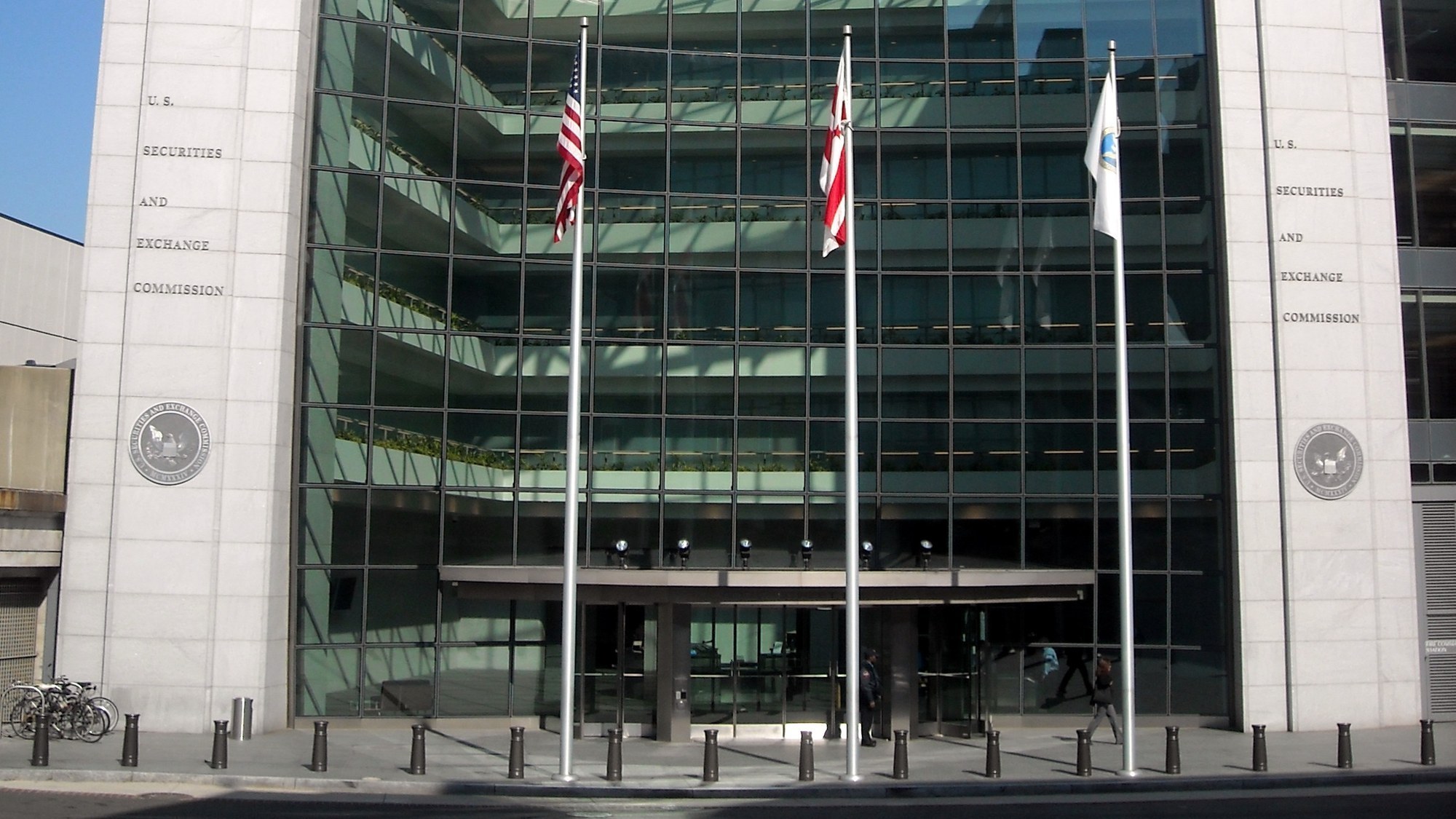
The money did not disappear into thin air. When more than 200 people who thought they had found love online, and others who thought they had found a can’t-miss cryptocurrency, watched their savings vanish, the digital coins those savings had been converted into left a trail. On July 21, 2026, federal prosecutors moved to seize that trail — more than $25 million in cryptocurrency pulled out of separate fraud investigations, much of it belonging to older Americans who were coaxed, over weeks and months, into handing it away.
The Scam Center Strike Force behind the seizures
The U.S. Attorney’s Office for the District of Columbia filed five civil forfeiture complaints in federal court, according to an announcement from the Justice Department, each seeking to claw back cryptocurrency recovered during a distinct investigation. The cases grew out of the Scam Center Strike Force, an effort launched in November 2025 that, according to prosecutors, has recovered more than $800 million in total.
A civil forfeiture complaint is not a criminal charge against a named individual. It is a legal action against the property itself — the government asserting that the funds are the proceeds of fraud and should be forfeited so they can eventually be returned to the people they were taken from. That distinction matters for anyone tracking these cases: the seizures represent money recovered, not a conviction, and the underlying investigations remain active.
Free retirement updates: Scam calls targeting retirees change every week. Our free Retirement Shield newsletter flags the ones going around and the one tell that stops each. Sign up free.
How the $25 million breaks down across five complaints
The largest of the five complaints involves more than 200 online romance-scam victims and seeks the forfeiture of roughly $12,086,914. In those schemes, a stranger builds a relationship over an online platform, earns trust, and eventually steers the target toward sending money — often reframed as an investment the two of them are making together.
A separate complaint centers on a single victim in the National Capital Region who reported a fraudulent crypto-investment scheme. After the victim tried to make a withdrawal, the perpetrators cut off contact entirely; that complaint seeks about $1,230,900. A fifth complaint targets roughly $285,000 tied to a recovery scam — a scheme in which fraudsters approach people who have already lost money and promise, for a price, to get it back. The investigation into that case is ongoing.
Each figure represents real dollars that came out of real bank accounts before being converted to cryptocurrency, and the pattern across the complaints points squarely at people with retirement savings to protect. Romance-scam losses in particular tend to accumulate quietly: the target is not asked for a large sum at once but is drawn in gradually, sending money in installments as the fabricated relationship deepens and the supposed investment appears to grow. By the time suspicion sets in, the total can represent years of savings.
The single-victim investment complaint follows the same arc from a different entry point. There, the person reported a fraudulent crypto-investment scheme and only recognized the fraud after attempting a withdrawal — the moment the perpetrators cut off contact. That sequence, in which everything appears normal until money is requested back, recurs across nearly every case the strike force has pursued.
Laundering networks traced from Southeast Asia to China and Cambodia
Following the money is what makes these seizures possible, and it is also what reveals the scale of the operations behind them. Investigators identified multiple laundering networks operated primarily from Southeast Asia, with internet addresses traced to China, Malaysia and Cambodia, and confirmed thousands of victims worldwide.
That geography is a recurring feature of large investment-fraud rings: the person on the other end of the screen is rarely where they claim to be, and the stolen funds are moved rapidly across borders and through cryptocurrency to make recovery harder. The fact that agents were able to seize more than $25 million despite that structure is unusual, and it is the reason the underlying investigations have stayed open rather than closing once the money moved offshore.
What retirees can do before the money leaves the account
Forfeiture actions are a last resort, recovering a portion of what was lost after the fact. The far larger sum is never recovered at all, which is why the front end of these schemes deserves as much attention as the takedown. The common thread across the romance, investment, and recovery cases is the same: a stranger, met online, who eventually asks for money — and then, when a withdrawal is attempted, either blocks it or disappears.
Anyone being encouraged to move savings into a cryptocurrency platform by someone they have only ever spoken to online should treat that request as a warning sign, regardless of how genuine the relationship feels. A refusal or a stall when a withdrawal is requested is often the clearest tell that the account balance on the screen was never real. The FBI’s Internet Crime Complaint Center accepts reports at ic3.gov, and prompt reporting is part of what allows investigators to trace and freeze funds before they are gone for good.
The recovery-scam complaint carries its own lesson. People who have already been defrauded are frequently targeted a second time by con artists posing as investigators or fund-recovery services who promise to retrieve the lost money for an upfront fee. No legitimate agency charges a fee to return stolen funds, and any unsolicited offer to recover money for a payment should be treated as another attempt at the same account.
This article was produced with AI assistance and reviewed by The Financial Wire editorial team.
More Financial Reading
- Adding someone to your bank account: tax traps and smart moves
- What really happens to your joint savings account when you die?