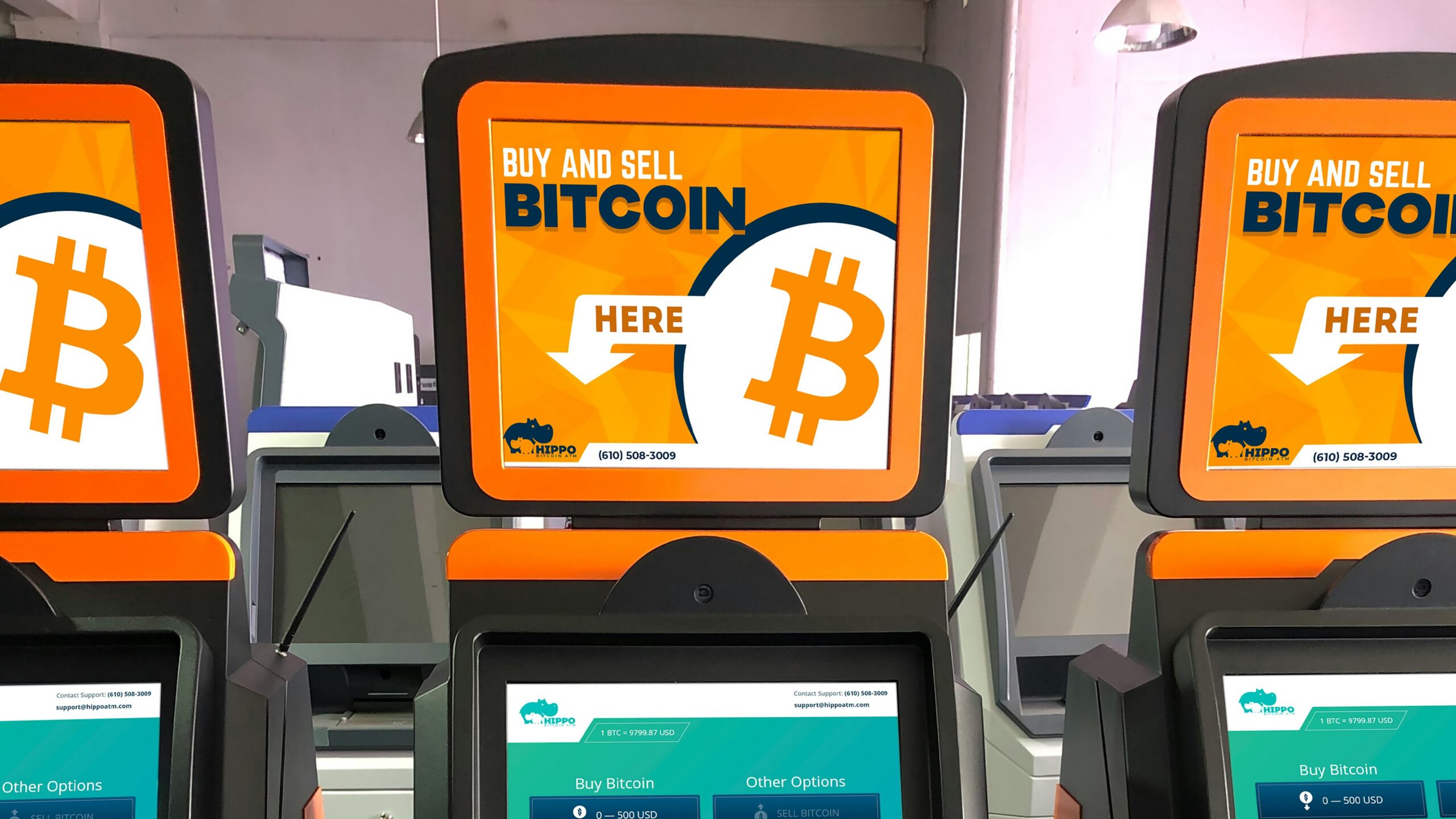
Texas residents lost more money to cryptocurrency kiosk scams in 2025 than victims in any other state, with 1,179 complaints totaling $56,802,197 in adjusted losses. Older adults bore a disproportionate share of those losses, often after receiving fake calls from scammers posing as government agents or tech-support workers. The scale of the problem has now triggered state legislative action, federal warnings, and the collapse of a major kiosk operator’s licensing in multiple states.
Why $56 million in Texas kiosk losses outpaced every other state
The FBI’s Internet Crime Complaint Center published state-level data showing Texas at the top of the adjusted-loss column for cryptocurrency kiosk fraud in 2025. Florida, despite logging more individual complaints at 1,213, recorded about $32.8 million in adjusted losses, roughly $24 million less than Texas. The gap suggests that Texas victims lost significantly more per incident, a pattern consistent with scam typologies that target retirees or households with larger savings.
The Federal Trade Commission has documented how these scams typically unfold. In many cases, callers impersonate government officials, business representatives, or tech-support agents, then pressure victims to deposit cash into a nearby Bitcoin ATM to “resolve” a fake problem. An FTC data spotlight on Bitcoin ATMs notes that scammers frame the payment as urgent and confidential, steering victims away from banks and toward kiosks that can convert cash into cryptocurrency in minutes. The agency’s analysis confirms that older adults account for a disproportionate share of reported losses from these schemes.
Once cash enters a kiosk and converts to cryptocurrency, recovery is nearly impossible because transactions settle on a blockchain and can be quickly routed through multiple wallets. That irreversibility, combined with the anonymity of many wallet addresses, makes kiosks a preferred “payment portal” for criminal networks running tech-support, government-imposter, and romance scams. For Texas, the result was a concentration of high-dollar incidents that pushed its total losses well beyond any other state.
The question hanging over Texas is why its regulatory response lagged behind other states that moved faster against kiosk operators. Georgia and Maine both pursued direct licensing and enforcement actions against Bitcoin Depot, one of the largest kiosk networks in the country. At the federal level, the Financial Crimes Enforcement Network reminded kiosk operators of their Bank Secrecy Act duties in a notice that warned about convertible virtual currency kiosks being used as scam payment channels, emphasizing requirements to file suspicious activity reports and maintain anti-money-laundering programs. States that tied their enforcement timelines to those federal alerts appear to have forced operational changes sooner than Texas did.
Georgia pulled Bitcoin Depot’s license as Texas drafted new rules
The Georgia Department of Banking and Finance announced that Bitcoin Depot Operating, LLC voluntarily surrendered its license and took its network of virtual currency kiosks offline in the state. Regulators said the move followed examinations focused on compliance with money-transmitter laws and anti-money-laundering controls. In practical terms, consumers who once saw Bitcoin Depot machines in convenience stores and gas stations across Georgia suddenly found the kiosks dark, with screens directing users to alternative services or simply displaying “out of service” notices.
Separately, the Maine Bureau of Consumer Credit Protection reached a settlement with Bitcoin Depot over compliance failures tied to licensing and reporting obligations. The agreement required the company to pay penalties and upgrade its compliance program, including enhanced customer due diligence and more robust transaction monitoring. Around the same time, Bitcoin Depot filed its Form 10-K with the SEC for the fiscal year ended December 31, 2025, disclosing money-transmitter obligations and anti-money-laundering program requirements as material risk factors for its business model.
While Georgia and Maine were tightening the screws on a major operator, Texas lawmakers were still in the process of building a regulatory framework. Working through the 89th Legislature, they advanced bills aimed at closing oversight gaps that had allowed kiosks to proliferate in retail locations with relatively light scrutiny. S.B. 1705, for example, would require virtual currency kiosk operators to register as money services businesses under state law, verify customer identities above specified transaction thresholds, and maintain written anti-fraud procedures. A companion measure in the House would authorize the Texas Department of Banking to examine kiosk operators, impose fines for recordkeeping failures, and suspend or revoke registrations for repeated violations.
Supporters of the Texas bills argue that these measures are overdue in light of the state’s $56 million in losses. They say that requiring operators to collect basic identifying information, monitor transactions for red flags, and respond swiftly to law-enforcement inquiries could disrupt scam operations before funds leave the country. Consumer advocates also want clearer disclosures at the point of use, including warnings on kiosk screens and receipts that explain how scammers misuse Bitcoin ATMs and emphasize that legitimate government agencies never demand payment via cryptocurrency.
Critics, including some kiosk industry representatives, warn that overly stringent rules could drive smaller operators out of the market and reduce access to cryptocurrency services for legitimate users who rely on cash. They contend that bad actors will simply shift to other channels, such as online exchanges or peer-to-peer cash trades, if kiosks become too tightly regulated. For now, however, the legislative momentum in Texas reflects a political consensus that the status quo has failed older residents in particular.
Whether the new rules will meaningfully lower losses remains to be seen. But the combination of federal warnings, state enforcement against major operators, and Texas’s belated move toward stricter oversight signals a turning point in how regulators view cryptocurrency kiosks: less as neutral financial tools and more as high-risk gateways that demand the same scrutiny as any other money-transmission business.


