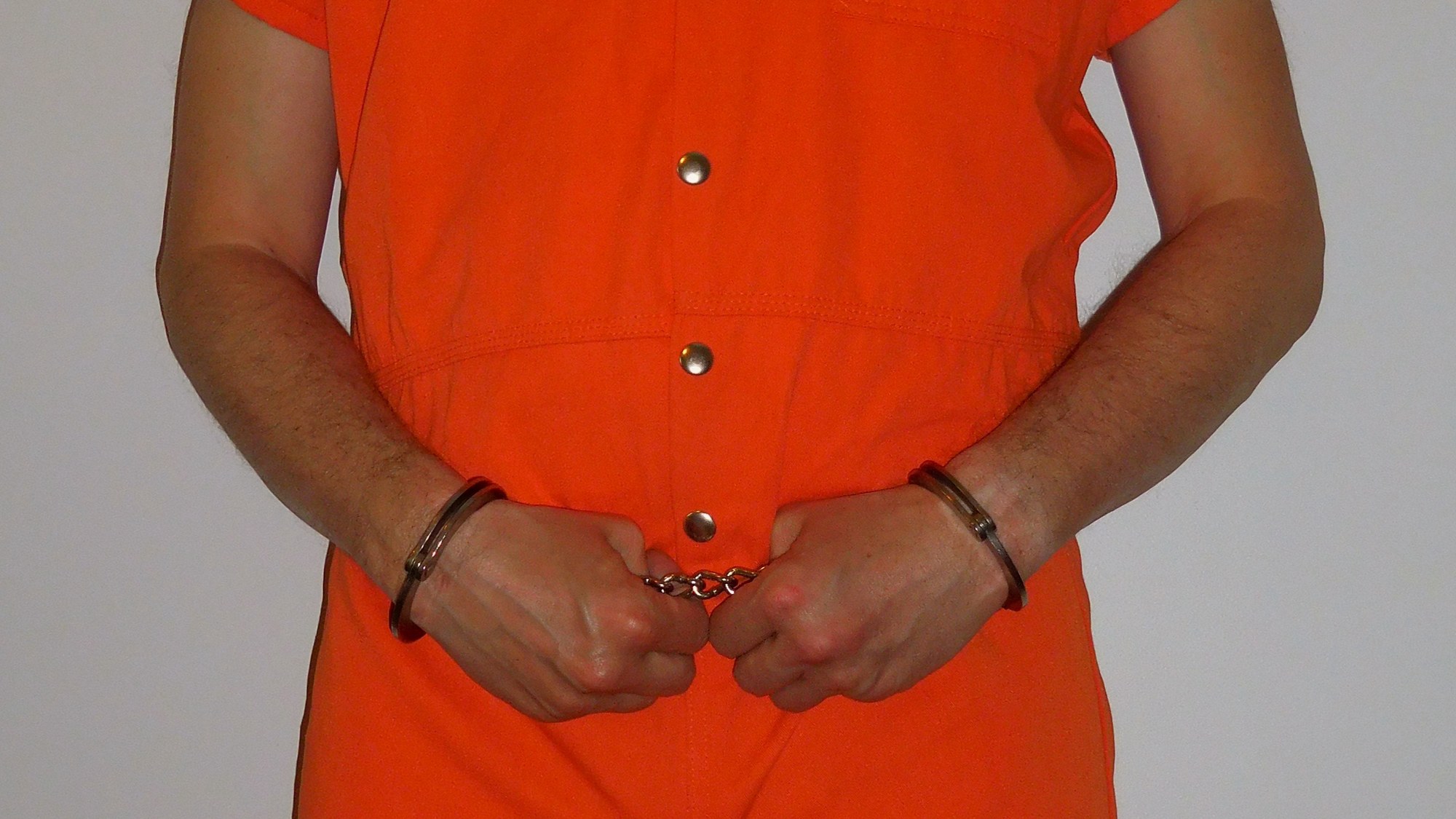
Christopher Alexander Delgado, described by the Department of Justice as the CEO of Goliath Ventures, pleaded guilty to three federal counts tied to a cryptocurrency fraud scheme that collected at least $250 million from investors. Federal agents seized luxury vehicles, real estate, and roughly 30 watches purchased with investor funds. The guilty plea, entered on a June 23 agreement filed in the U.S. District Court for the Middle District of Florida, caps a prosecution that began with Delgado’s arrest in February and raises hard questions about how much money victims will actually recover.
Why the Goliath Ventures forfeiture falls short for victims
The plea agreement requires Delgado to forfeit real property, vehicles, cryptocurrency holdings, and personal property acquired with scheme proceeds. A civil forfeiture complaint filed in May identified seven real properties and 11 vehicles, including Lamborghinis and Rolls-Royces, as assets allegedly bought with money taken from investors between January 2023 and January 2026. On paper, the seizure list looks substantial. In practice, the gap between seized assets and total losses is enormous.
The DOJ’s case hub for the prosecution states that at least $328 million was obtained through the scheme, a figure that exceeds the $250 million referenced in the plea announcement. Even the lower number dwarfs the likely liquidation value of a handful of luxury cars, watches, and Florida properties. Depreciation on exotic vehicles can run 20 to 40 percent within a few years, and government auction processes rarely recover retail prices. Storage, legal, and administrative costs eat further into the proceeds. The result is that criminal forfeiture alone will return only a fraction of what investors lost, leaving civil recovery actions and any court-ordered restitution as the primary paths for victims seeking repayment.
How prosecutors built the case from arrest to guilty plea
The criminal complaint, filed in February, alleged that Delgado ran a classic Ponzi operation through Goliath Ventures. He solicited investments by promising returns from cryptocurrency “liquidity pools” that did not function as described. Instead, prosecutors said, he used new investor deposits to pay earlier participants and funneled the rest into personal purchases. The scheme operated for roughly three years, drawing in investors who believed their funds were being deployed into sophisticated trading strategies rather than financing luxury goods.
Delgado was arrested on wire fraud and money laundering charges on February 24, according to the press release from federal prosecutors. Four months later, he entered a guilty plea to Counts 1 through 3 in the superseding information. The plea agreement, filed as Document 52 in Case No. 6:26-cr-00158-GAP-NWH, spells out the categories of forfeitable assets but does not disclose their current appraised values or storage arrangements. No public statements from Delgado or his defense counsel have appeared in the available court record, and the agreement leaves open how aggressively the government will pursue any additional assets that may be traced to the fraud.
The case is being handled in Orlando, where the federal courthouse for the Middle District of Florida regularly hears large white-collar prosecutions. Court scheduling orders indicate that sentencing will follow the preparation of a presentence investigation report, a process that typically takes several months and includes victim impact submissions as well as a detailed accounting of loss amounts and recoverable assets.
Unresolved gaps in the Delgado restitution timeline
Several questions remain open. The discrepancy between the $250 million figure in the plea announcement and the higher loss estimate on the DOJ’s case hub suggests that investigators are still refining the scope of the scheme and the number of affected investors. The plea agreement acknowledges that restitution will be mandatory, but it does not specify a final loss calculation, instead deferring that determination to the sentencing phase when the court will review evidence from prosecutors, defense counsel, and any victims who submit claims.
A separate filing outlining the factual basis for the plea, available in a supporting court exhibit, describes how investor funds were routed through multiple accounts and converted into high-end assets, complicating the tracing process. That complexity will matter for restitution, because the court must decide not only how much Delgado owes, but also how to allocate any recovered money among victims who may have invested at different times and received differing levels of payouts before the scheme collapsed.
Another unresolved issue is timing. Even after sentencing, victims rarely see immediate payments. The government must first liquidate forfeited property, a process that can involve securing clear title, arranging auctions, and resolving any third-party claims from lenders or co-owners. Only then can net proceeds be applied to restitution orders. If Delgado is ordered to pay additional amounts beyond what forfeiture yields, those obligations can follow him for years, but collection depends on his future earning capacity and any undiscovered assets.
For now, investors face a familiar reality in large fraud cases: the legal system can establish guilt and impose punishment more quickly than it can make victims whole. Delgado’s guilty plea locks in a conviction and a framework for forfeiture, but it does not guarantee that more than a small fraction of the hundreds of millions that flowed through Goliath Ventures will ever be returned.