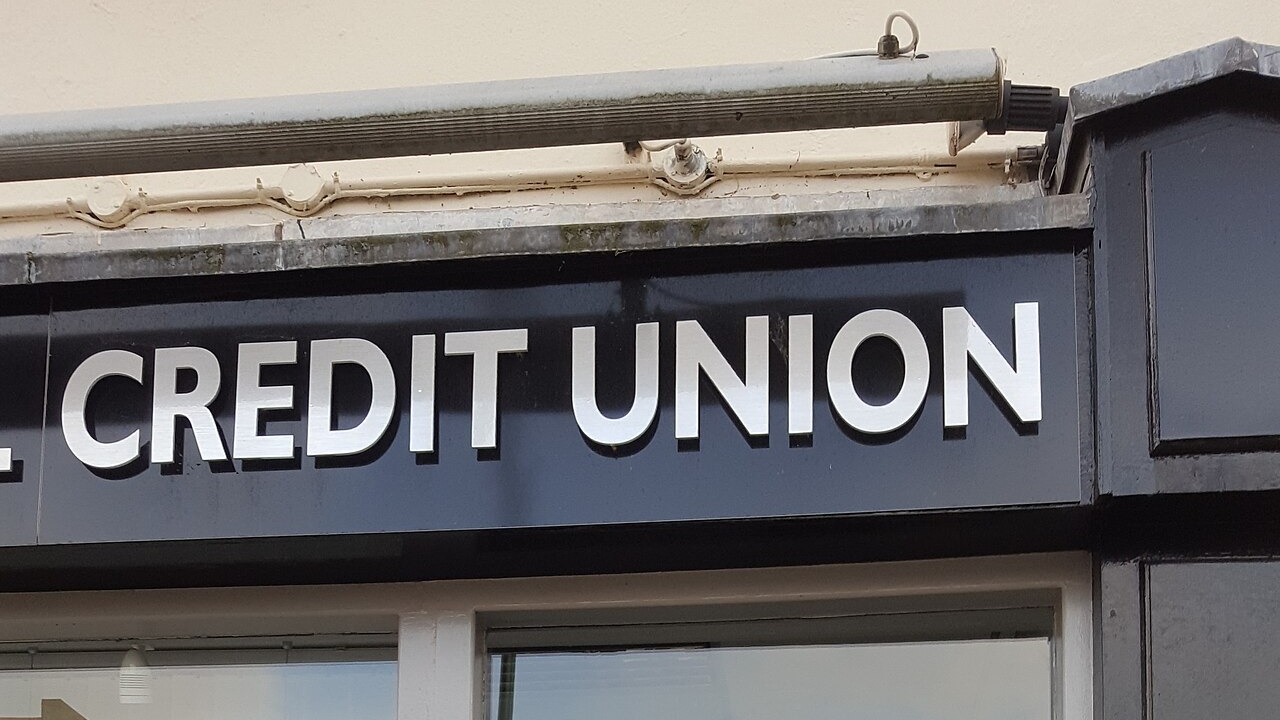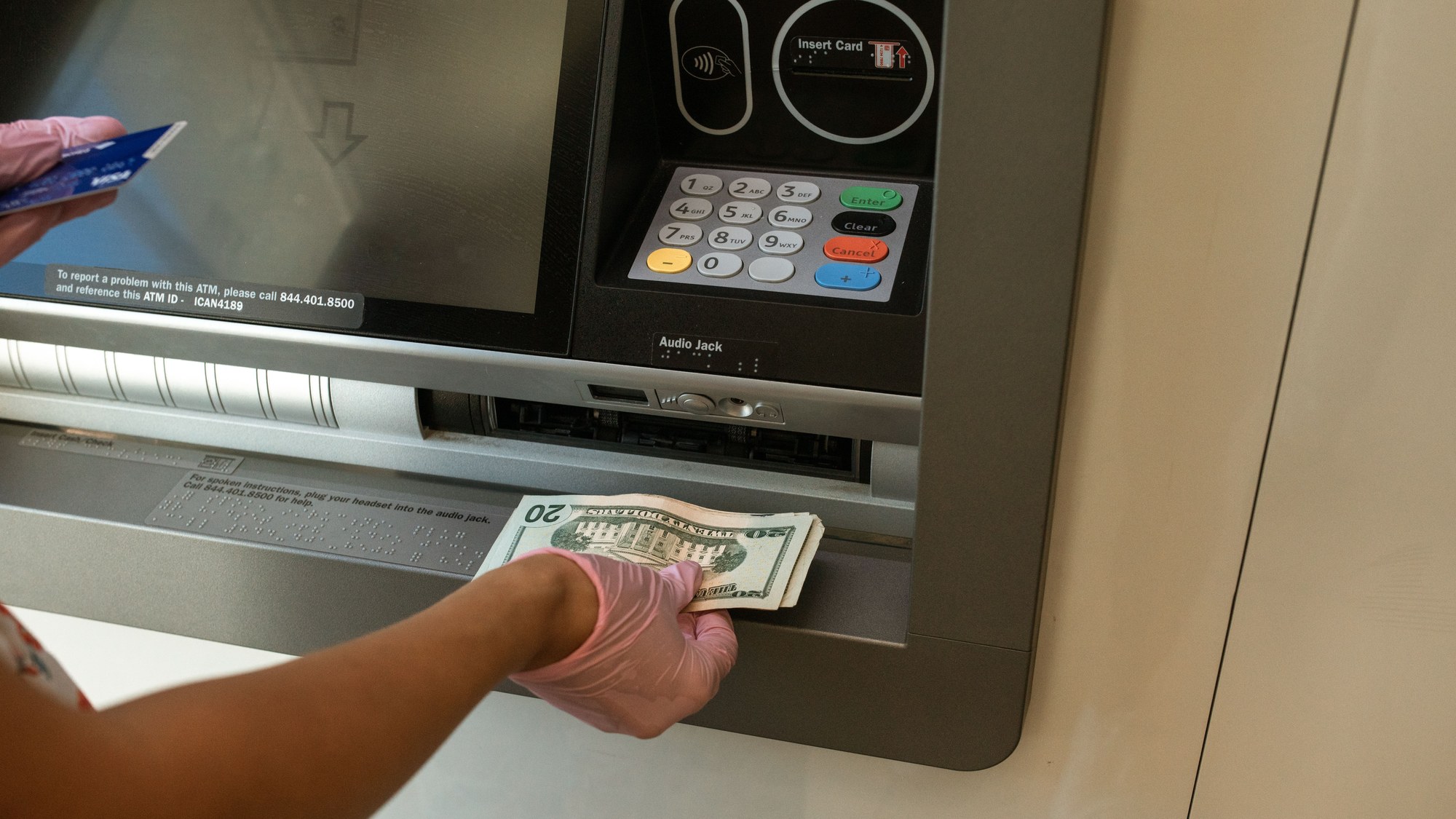
KeyBank ended September with 935 branches and 1,088 ATMs, down from 942 branches and 1,152 ATMs a year earlier, according to KeyCorp’s third-quarter results. The Cleveland-based bank also earned $537 million for common shareholders in the quarter. The counts are the part of the report that touches daily banking for customers who still walk into an office or use a Key machine.
Seven fewer branches, 64 fewer ATMs
KeyCorp’s Oct. 20 earnings release lists 935 branches at Sept. 30, against 939 at June 30 and 942 at Sept. 30, 2025. Its Consumer Bank had 1,088 ATMs, compared with 1,107 at the end of June and 1,152 a year earlier. Both counts fell at each comparison date.
The ATM network shrank much faster than the branch network. Over the year, branches fell by 7, or about 0.7%, while ATMs fell by 64, or about 5.6%. In the latest quarter alone, Key shed 4 branches and 19 machines. A bank can remove a machine without closing the office behind it, and the counts show Key doing more of the former.
The release does not name the locations affected, and it carries no commentary on branch strategy or on whether more consolidation is coming. Customers who rely on a particular office for cash, deposits or help with a problem have to check that office and its machines themselves. Key lists a customer service line at 1-800-539-2968 on its investor relations site, along with a branch and ATM locator.
Retirement deadlines, in your inbox: Miss an enrollment or claim deadline and the money can be gone. The Retirement Money Brief keeps you ahead of the ones that matter, every weekday.
Get the Retirement Money Brief →
We may earn a commission from links on this page.
The Consumer Bank is the shrinking half
The unit that serves households and runs the branches reported net income of $211 million, up 0.5% from the second quarter and 1.4% from a year earlier. Its average loans fell 7.9% from a year earlier, and its average deposits slipped 0.4%. The Commercial Bank, by contrast, earned $516 million, up 22.0% from the second quarter and 17.3% from a year earlier.
Commercial lending is where the growth came from. Average commercial and industrial loans were $64.4 billion, up 13.9% from a year earlier, and the Commercial Bank’s average deposits rose 3.7%. Consumer loans averaged $28.5 billion, down 7.5% from a year earlier, which Key describes as planned run-off.
Deposits tell the same story from another angle. Key reported average deposits of $151.2 billion for the whole company, up 2.4% from the second quarter and 0.5% from a year earlier. Time deposits, the category that includes certificates of deposit, fell 20.9% from a year earlier even as they rose 2.6% from the second quarter.
The cost of those deposits dropped. Key put the cost of total deposits at 1.66%, down 31 basis points from a year earlier, and the rate on interest-bearing deposits at 2.04%. A basis point is one-hundredth of a percentage point. Lower funding costs were one reason net interest income climbed.
Where the $537 million came from
Net income from continuing operations attributable to common shareholders was $537 million, or $0.51 per diluted share, against $0.44 in the second quarter and $0.41 in the third quarter of 2025. Key’s own headline puts the year-over-year gain in diluted earnings per share at 24%. Return on average tangible common equity was 15.11%.
Chairman and chief executive Chris Gorman called out “record revenue and record pre-provision net revenue.” Total revenue was $2.04 billion, up 8% from a year earlier. Net interest income was $1.3 billion, up 9.8% from a year earlier, and the net interest margin, the gap between what a bank earns on loans and pays on deposits, was 2.95%.
Investment banking and debt placement fees were $214 million, up 16.3% from a year earlier and 26.6% from the second quarter. Total noninterest expense was $1,245 million, up 5.8% from a year earlier, with personnel expense of $815 million, up 9.8%. Gorman reiterated a goal of a return on tangible common equity of 15% or more by the end of 2027.
Loan losses helped. Net charge-offs, the loans Key wrote off as uncollectible, were $89 million, or 0.32% of average loans, against $114 million, or 0.42%, a year earlier. Nonperforming loans fell to $618 million from $809 million in the second quarter, and the allowance for credit losses was $1.69 billion, or 1.50% of period-end loans.
Buybacks, a 20.5-cent dividend and a lower book value
Key repurchased $320 million of its common shares in the quarter, about 14.2 million shares, and shares outstanding fell to 1,058.2 million, down 1.3% from the second quarter. The quarterly dividend is $0.205 per common share. The release does not give a payment date.
Book value per share was $15.01, down from $16.19 in the second quarter and $15.86 a year earlier. Tangible book value per share was $12.35, against $13.62 in the second quarter. The release does not explain the sequential drop. Key’s estimated Common Equity Tier 1 ratio was 11.1%, down from 11.2% in the second quarter and 11.8% a year earlier, and the bank says it remains well capitalized under all regulatory benchmarks.
Key’s corporate profile lists its headquarters at 127 Public Square in Cleveland and carries a Member FDIC notice. A profitable quarter, a $320 million buyback and a smaller branch network came in the same report. For depositors, the open question is whether the next count shows the ATM network still shrinking faster than the offices.
If a branch closes, who answers when an account problem comes up?
A smaller network leaves fewer places to sort out a problem in person, and a benefit deposit can become a problem fast when a collector calls or an account is frozen. Nothing in a quarterly report shows how that moment would go.
Branch counts say nothing about collectors, and the Bank Account & Debt Protection Kit is about that separate risk. It shows how Social Security is protected in a bank account and what collectors can and cannot take, and it includes the debt-validation steps and a debt inventory, call log and deadline tracker, along with the 2-month bank protection rule and a frozen-account response.
Get the debt-validation steps and call-log tracker for a bank account →
More Financial Reading
- 21 Ways to Stretch a $2,087 Social Security Check
- 15 Places to Find Your Share of the $4.25 Billion States Give Back
- 15 Steps to Stop the Scams That Took $7.7 Billion From Seniors
This article was produced with AI assistance and edited for accuracy against the sources linked above.