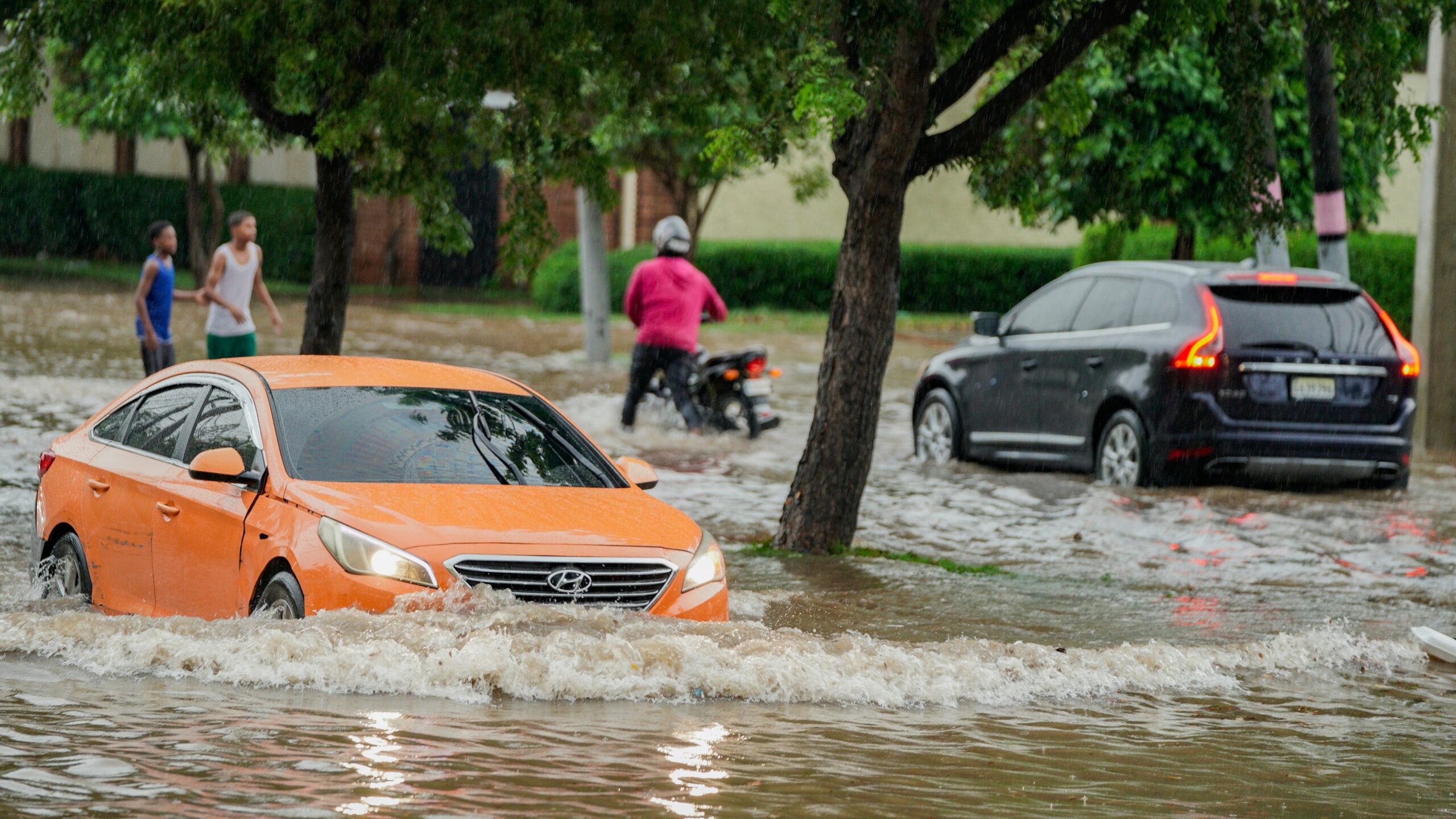
A standard homeowners insurance policy covers damage from fire, wind, and many other hazards, but it excludes damage caused by flooding, regardless of whether the flood comes from a storm, an overflowing river, or a broken levee. Covering flood damage requires a separate policy, most often through the National Flood Insurance Program, and the coverage does not take effect the moment it is purchased.
Why the Standard Policy Leaves Flooding Out
Homeowners insurance is built around named perils and broader “all-risk” language that still carves out specific exclusions, and flood is one of the most consistent exclusions across insurers nationwide. The distinction insurers draw is generally between water that falls or rises onto a property from an external source, which is excluded as flood damage, and water damage originating inside the home, such as a burst pipe, which a standard policy typically does cover. The gap catches many homeowners off guard specifically because a homeowners policy does cover other forms of water damage, such as a burst pipe or a roof leak, leading some policyholders to assume flooding is covered under the same umbrella when it is not.
FloodSmart.gov, the federal government’s consumer site for flood insurance, states plainly that most homeowners policies do not cover flood damage, which is why the National Flood Insurance Program exists as a separate line of coverage entirely. Insurers themselves are generally required to disclose the exclusion in policy language, but the disclosure sits inside dense policy documents that few homeowners review closely until after water has already entered the home.
Free retirement updates: Keep more of your Social Security and savings with plain-English updates on the changes, deadlines, and costly mistakes retirees miss. Subscribe free.
What the National Flood Insurance Program Actually Covers
Flood coverage through the NFIP is capped well below what many homes are worth. Residential building coverage tops out at $250,000, and contents coverage tops out at $100,000, limits set by federal statute and confirmed on the Federal Emergency Management Agency’s own flood insurance page. Contents are reimbursed at actual cash value rather than full replacement cost, meaning depreciation is factored into any payout for belongings rather than the amount needed to buy them new.
The program is available to any property owner, renter, or business in a community that participates in the NFIP, which covers the vast majority of the country, and policies can be purchased through a private insurance agent even though the underlying coverage is backed by the federal program rather than a private insurer’s own risk pool.
The 30-Day Wait That Catches Buyers Off Guard
Unlike most other insurance, a new flood policy generally does not take effect the day it is purchased. FloodSmart.gov’s page on how to buy a policy confirms a standard waiting period of 30 days before coverage begins, with limited exceptions such as a policy tied to a new mortgage closing. That waiting period means flood insurance cannot be purchased in the days immediately before an approaching storm and expected to cover damage from that same event; the decision to carry the coverage has to be made well ahead of any specific threat.
For homeowners near a coastline, a river, or in an area that has flooded before but currently sits outside a mapped high-risk zone, the 30-day rule is often the detail that turns a flood-risk assessment into an urgent, ahead-of-season decision rather than something to revisit once a storm is already forecast.
Who Actually Needs the Extra Policy
Federal flood insurance is required for homes with a federally backed mortgage that sit in a designated high-risk flood zone, but the requirement stops there; a home just outside the mapped high-risk boundary carries no purchase mandate even though it can still flood. FEMA’s own data, cited on FloodSmart.gov, has long noted that a meaningful share of flood insurance claims come from outside the highest-risk zones, which is part of why the agency markets the coverage broadly rather than only to homeowners the mapping identifies as highest risk. A retiree who paid off a mortgage years ago and is no longer required by a lender to carry flood coverage can still choose to buy a policy independently through the same NFIP process, since the requirement tied to a mortgage and the availability of coverage are two separate things.
Reviewing a property’s flood zone designation and current homeowners policy exclusions before hurricane or heavy-rain season, rather than after water has already reached the door, remains the surest way to avoid discovering the gap during a claim.
What Happens When a Homeowner Skips the Coverage
Without a flood policy, a homeowner who suffers flood damage generally has two remaining sources of financial help: personal savings, or federal disaster assistance if the area is declared a major disaster by the president. Disaster assistance from the Federal Emergency Management Agency, when it becomes available, is typically far smaller than an insurance payout and often takes the form of a low-interest loan rather than a grant, meaning the homeowner still ends up repaying most of the recovery cost over time. Disaster declarations are also not guaranteed for every flood event, and assistance programs can take weeks or months to begin paying out, a timeline that leaves an uninsured homeowner covering emergency repairs out of pocket in the meantime.
Private flood insurance, sold outside the federal program by some insurers, has also become more available in recent years and can sometimes offer higher coverage limits than the NFIP’s $250,000 building cap, an option worth comparing for homes valued well above that threshold.
This article was produced with AI assistance and reviewed by The Financial Wire editorial team.
More Financial Reading
- Bank statements: how long to keep them and when to toss them
- Adding someone to your bank account: tax traps and smart moves