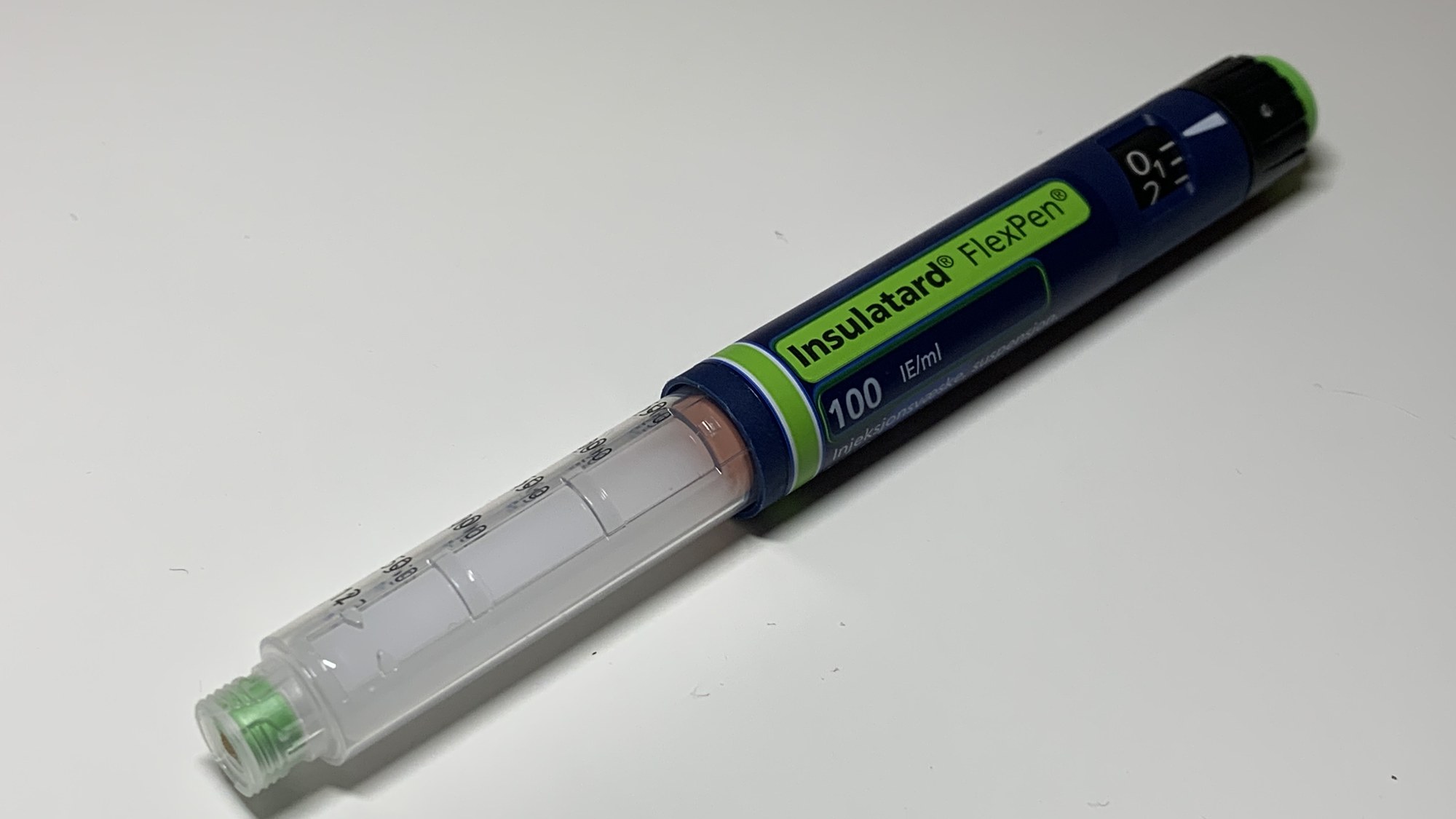
Florida Attorney General James Uthmeier has filed suit against three insulin and diabetes-drug manufacturers and three pharmacy benefit managers, accusing the companies of inflating list prices and returning most of that markup to middlemen through rebates rather than lowering what patients pay. The complaint leans on a specific figure drawn from a drugmaker’s own courtroom testimony about what happens to the price of a single vial of insulin between the factory and the pharmacy counter. It was filed this week in Florida’s Eleventh Judicial Circuit and names companies on both sides of the supply chain, manufacturers that set the list price and the benefit managers that negotiate what comes back off it. For a state with one of the country’s largest populations of older adults on fixed incomes, the case turns a pricing mechanism that normally stays buried in contract terms into a public court record.
The $280 Vial and Where $210 Goes
According to the Attorney General’s newsroom release, the complaint cites testimony from a Lilly executive that of every $280 vial of the insulin Humalog, the company hands back about $210 — close to three-quarters of the sticker price — to pharmacy benefit managers as rebates tied to formulary placement. The lawsuit treats that figure as evidence of what it calls a manufactured list-price scheme: a manufacturer sets a high published price, then competes for favorable placement on a benefit manager’s drug list by returning most of that price as a rebate the patient at the counter never sees. Uthmeier’s office says the arrangement leaves patients and insurers paying co-pays and coinsurance calculated off the inflated $280 figure rather than the far smaller amount the manufacturer actually keeps. A plan that calculates a member’s coinsurance as a percentage of the list price, rather than the discounted net price the manufacturer settles for after rebates, effectively bills the patient a share of money that never changes hands the way the sticker suggests. “These companies told Florida families they were working to make insulin affordable,” Uthmeier said in the release announcing the filing. “Instead, they inflated the sticker price of a medicine people cannot live without.”
Inside the kit: the 51 state Medicare cost-help packs point to where a plan’s formulary and appeal rules are actually published, and the prior-authorization appeal steps cover what to do when a plan requires sign-off before covering a preferred insulin brand or a GLP-1 drug. See the appeal steps and state packs in The Medicare Cost & Coverage Protection Kit.
Three Manufacturers, Three Middlemen, One Complaint
The suit names six companies directly. On the manufacturing side, the release identifies Eli Lilly, Novo Nordisk and Sanofi as defendants over how they set and adjusted insulin list prices. On the middleman side, it names the three pharmacy benefit managers that negotiate rebates and set formulary placement for most of the country’s prescription drug plans: CVS Caremark, Express Scripts and OptumRx. The complaint also names three smaller rebate-aggregating entities, Zinc, Ascent and Emisar, that the state says sit between the manufacturers and the PBMs in negotiating the rebate terms. Uthmeier’s office frames the six primary defendants as two halves of a single pricing arrangement rather than separate, unrelated companies, since the manufacturers’ list prices and the PBMs’ formulary rebates are negotiated against each other every plan year. Each of the three PBMs named in the suit sets its own formulary, meaning the decision either one makes about which insulin brand gets preferred placement can determine where a patient’s prescription is filled and at what price, independent of anything a doctor or pharmacist decides at the counter itself.
What 2.3 Million Diabetic Floridians Pay For
The state’s release puts the scale of the affected population at roughly 2.3 million Florida adults with diagnosed diabetes, or about one in ten adults statewide, a population that skews older since diabetes prevalence rises with age. The complaint does not limit itself to insulin. It also covers GLP-1 drugs used to manage diabetes, naming Ozempic, Trulicity, Victoza and Soliqua as medications whose pricing and coverage the same rebate structure affects. For a household managing a fixed income, the practical consequence of the arrangement described in the complaint is that a co-pay tied to a drug’s list price does not fall even when the manufacturer’s actual net revenue on the drug does, because the rebate that closes that gap flows to the PBM and the plan sponsor, not back to the person paying at the register. Diabetes management for many of the people in that 2.3 million figure means more than one prescription: an insulin vial or pen for daily dosing, plus in many cases a GLP-1 drug prescribed for blood-sugar control, so a rebate structure that inflates the list price of either category compounds across a single patient’s monthly pharmacy bill rather than affecting just one line item.
FDUTPA Counts and an Antitrust Claim
Legally, the state is pursuing the defendants under two different Florida statutes. The complaint brings two counts under the Florida Deceptive and Unfair Trade Practices Act and one count under the Florida Antitrust Act, and it asks the court for a permanent injunction, restitution, disgorgement of profits, damages and civil penalties. None of those claims have been decided; the filing marks the opening of litigation, not a finding of wrongdoing, and the defendant companies have not yet filed a public response in the case. Disgorgement, if a court ultimately orders it, would require the companies to give up profits tied to the alleged scheme rather than simply pay a fine set in advance, which is part of why the state paired that request with civil penalties and restitution rather than choosing one remedy alone. State Rep. Danny Alvarez, who appeared alongside Uthmeier at the announcement, put the state’s argument in blunter terms than the legal filing itself. “When companies take advantage of the people who can least afford it,” Alvarez said, “there must be consequences.”
Where the Rebate Doesn’t Show Up on a Pharmacy Receipt
Florida’s lawsuit over the Humalog rebate structure lays out how a manufacturer’s published list amount and a pharmacy benefit manager’s formulary placement combine to set the number a pharmacy charges, but it does not change what any individual plan bills for insulin or a GLP-1 drug this month, and litigation over a pricing arrangement can take years to change anything at the counter. That leaves the practical job of tracking a prescription’s actual out-of-pocket cost, refill to refill, on the patient or the family member helping manage the bills, without a single notice from a manufacturer or a PBM walking them through it.
The Medicare Cost & Coverage Protection Kit pairs a medication and cost tracker for logging what a drug like insulin costs at each refill with the new Part D out-of-pocket cap, so a household has one place to record cost changes while pricing disputes like Florida’s work through the courts.
Open the medication and cost tracker in The Medicare Cost & Coverage Protection Kit.
This article was produced with AI assistance and checked against the primary source linked above.