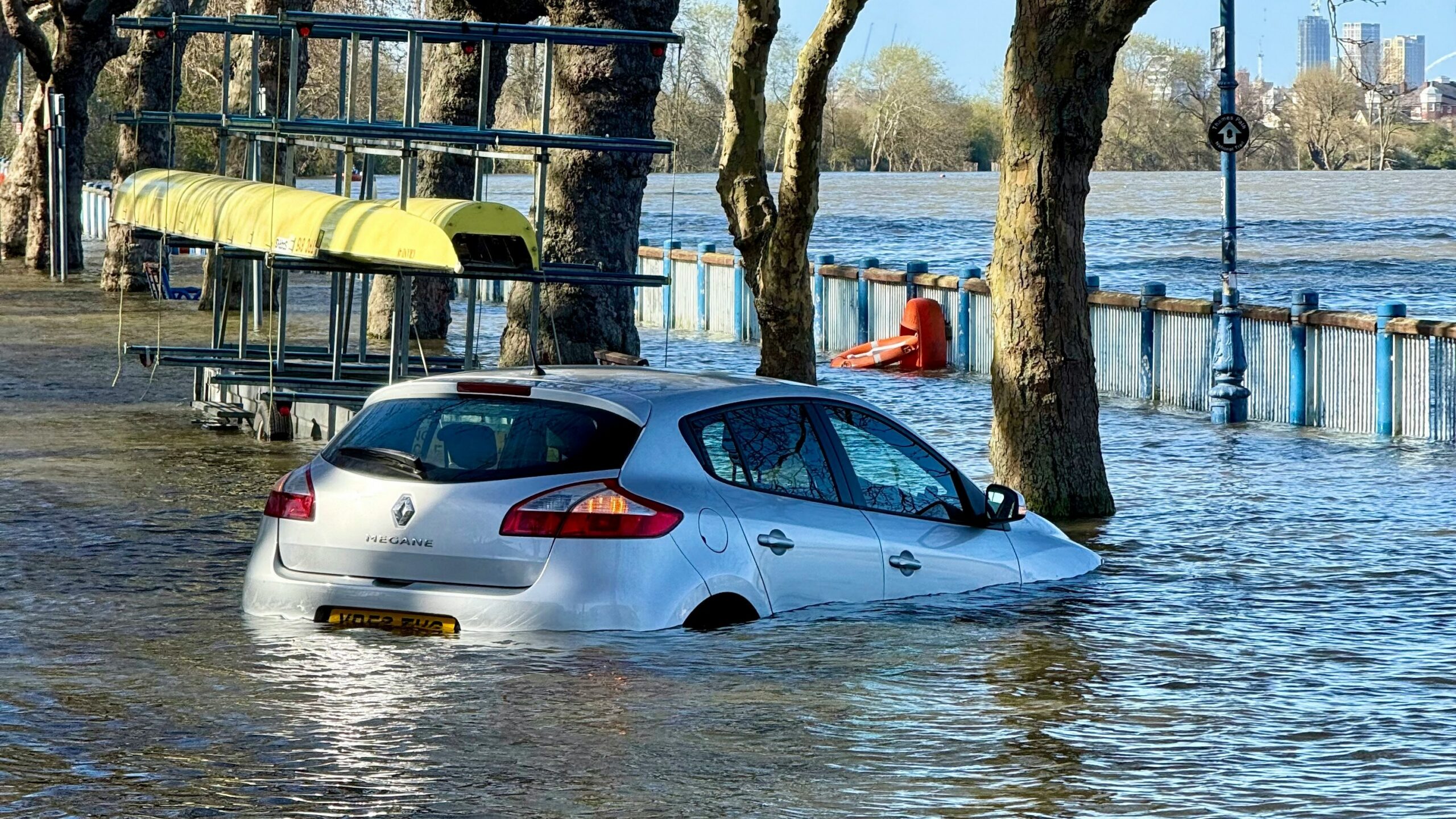
Florida homeowners who rely on Citizens Property Insurance Corporation for wind coverage face a hard choice: buy flood insurance or lose that protection. A phased mandate written into state law already stripped wind eligibility from personal-lines residential policies above $400,000 that lacked flood coverage as of January 1, 2026. The next and final phase extends the same requirement to every remaining applicable policy by January 1, 2027, a deadline now less than seven months away.
Why the 2027 flood mandate hits Citizens policyholders right now
The pressure is immediate because the clock is already running. The first threshold took effect at the start of 2026, forcing owners of higher-value homes insured through Citizens to secure a separate flood policy or forfeit wind coverage. That $400,000 cutoff, codified in current statute, was not a suggestion. It was a statutory condition of coverage. Homeowners who did not comply lost their Citizens wind policy, full stop.
The January 1, 2027 expansion removes the dollar threshold entirely. Every personal-lines residential policyholder with wind coverage through Citizens will need to show proof of flood insurance, regardless of home value. Condo unit owners are exempt from the requirement, according to House bill records that trace the law’s timeline from July 1, 2023 through the final compliance date. But for single-family homeowners, the mandate is absolute.
The practical effect is a forced migration into the flood insurance market. Many Citizens policyholders chose wind-only coverage precisely because they considered flood insurance optional or unaffordable. That calculation no longer works. Homeowners in counties with heavy Citizens concentration, particularly along the Gulf Coast and in South Florida, will need to find flood policies through the National Flood Insurance Program or private carriers before the deadline. The resulting demand spike should show up in county-level application data well before January, offering an early signal of how smoothly or painfully the transition is playing out.
Statutory timeline behind the phased flood requirement
The mandate did not appear overnight. Florida lawmakers built a four-year glide path starting in mid-2023. The enabling legislation amended section 627.351 of the Florida Statutes, establishing Citizens Property Insurance Corporation’s phased-in flood insurance requirement as a condition of coverage for personal-lines residential risks. The law set specific dollar thresholds and dates so that the most expensive properties absorbed the requirement first.
The $400,000 threshold became effective January 1, 2026, according to the 2023 statute. The final expansion to all remaining applicable policies follows one year later on January 1, 2027. By staggering the rollout, legislators gave higher-value policyholders less runway while allowing owners of more modestly valued homes additional time to shop for flood coverage.
The underlying logic is straightforward. Citizens has historically written wind-only policies in flood-prone areas. When a hurricane brings both wind damage and storm surge, policyholders without flood coverage face uncovered losses, and Citizens faces political pressure to step in anyway. Requiring flood insurance as a condition of wind coverage is designed to reduce that coverage gap, shift some risk away from the state-backed insurer, and align homeowner expectations with the way property perils are actually insured.
Supporters of the mandate also point to the financial stability of Citizens itself. Because Citizens assessments can be levied on many Florida insurance customers if the corporation runs a deficit, lawmakers have treated its exposure as a statewide concern. Linking wind coverage to a separate flood policy is one way to limit the chance that a single storm’s storm-surge losses will destabilize the broader market. Critics counter that the law effectively forces some lower-risk homeowners to buy flood coverage they may never use, but the Legislature ultimately prioritized risk reduction over flexibility.
What homeowners need to do before the deadline
For affected policyholders, the next steps are practical rather than theoretical. Homeowners should first confirm whether their current Citizens policy includes wind coverage and whether they already carry a separate flood policy. If no flood coverage is in place, they will need to compare options from the National Flood Insurance Program and private insurers, paying close attention to waiting periods that could delay effective dates.
Agents expect that many Citizens customers will wait until renewal notices highlight the new requirement, but that strategy carries risk. If a homeowner reaches renewal without proof of flood insurance, Citizens can decline to renew wind coverage, potentially leaving the property exposed during peak hurricane season. Starting the flood application process months in advance reduces the chance of paperwork delays or underwriting questions derailing coverage.
Policyholders should also review coverage limits and deductibles to ensure the new flood policy aligns with their mortgage obligations and rebuilding costs. Lenders in federally designated high-risk flood zones may already require flood insurance, but the Citizens mandate applies more broadly, including to homes outside those mapped areas. That means some owners will be buying flood coverage for the first time, often without a lender guiding the process.
As the 2027 deadline approaches, regulators and lawmakers will be watching how many Citizens customers successfully make the transition. If large numbers of homeowners fail to secure flood policies and lose wind coverage, pressure could build for further legislative adjustments. For now, though, the statutory language in section 627.351 leaves little ambiguity: maintaining Citizens wind protection will depend on carrying separate flood insurance, and the countdown to full compliance has already begun.