Two men who ran approved grocery stores in Chicago are charged with using stolen Ohio and other state EBT account information to run thousands of food stamp purchases that never happened, in a case prosecutors put at an estimated $29.7 million loss to the United States. The Justice Department announced the Southern District of Ohio indictment of Jorag Yaseen and Rami Kanaan on Oct. 21, and both men are presumed innocent until proven guilty.
The case, United States v. Jorag Yaseen and Rami Kanaan, is numbered 3:26-cr-00099-TMR. It was one of several cases the department bundled into what it called its first National USDA Benefits and Program Fraud Enforcement Surge, and the allegations here turn on how the stolen account data was allegedly used rather than on any one household’s loss.
How the alleged EBT scheme worked
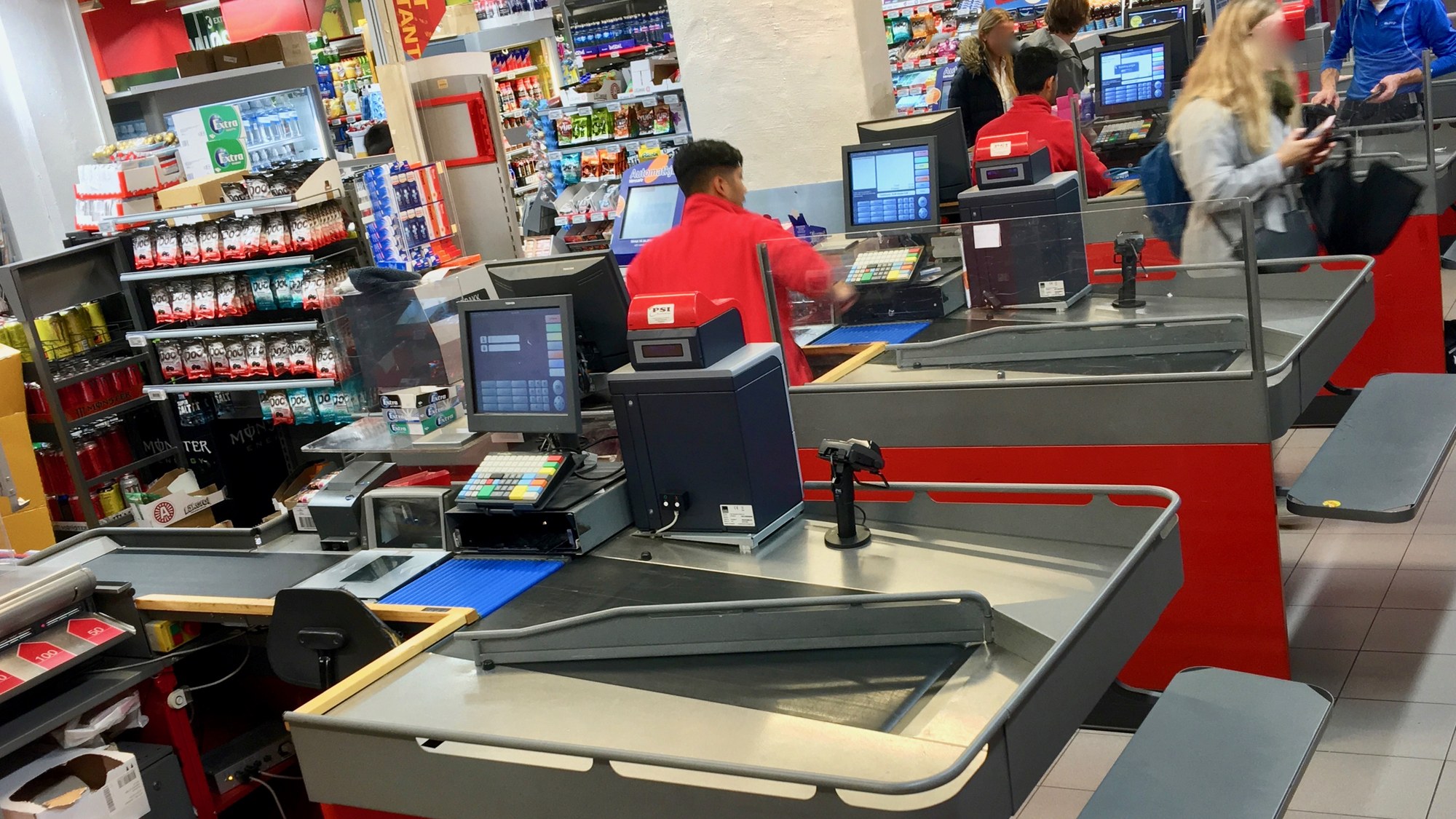
According to the Justice Department release, the indictment alleges Yaseen and Kanaan operated approved retail food stores in Chicago. Through those stores, prosecutors say, they processed thousands of EBT transactions using stolen account information belonging to benefit holders in Ohio and other states.
The transactions were made to look like purchases of authorized food, the department says, but no genuine sales took place. The alleged result was that state agencies moved millions of dollars in federal food assistance into accounts the two men and others controlled. The activity is alleged to have run from about February 2024 to April 2025.
The indictment gives one example. It cites three transactions on March 4, 2024, totaling $1,243.46, run against a stolen Ohio EBT card tied to a Greene County resident. Prosecutors say some of the proceeds bought automobiles that were shipped overseas for use and sale.
Could a stolen EBT account be used without the owner knowing?
Anyone in Ohio or another state who sees an EBT purchase they did not make, or a balance lower than expected, is the person this case is about. The first step is to compare the card’s recent transaction history with the shopping actually done, lock the card if the state offers that option, and report the unrecognized charges to the state SNAP agency that issued the benefits. Ohio’s Direction Card page lists an EBT lock and unlock feature as a way to protect food benefits.
Stay ahead of SNAP and food benefit news: Miss an enrollment or claim deadline and the money can be gone. Join the Retirement Money Brief and we’ll send you our SNAP Recertification & EBT Checklist as a welcome gift.
Get the Brief + the SNAP checklist →
We may earn a commission from links on this page.
What the charges are and what the $29.7 million means
Both men face three counts: conspiracy to commit wire fraud, wire fraud and conspiracy to commit money laundering. The Justice Department describes the $29.7 million as the estimated loss to the United States and labels it the intended loss in the case header. That is a prosecutors’ figure drawn from the indictment, not a finding by a court and not an amount that has been recovered.
The distinction matters for households. The money at issue is federal funds that state administrators transferred, according to the release, and the department has not said how many individual accounts were hit or how many benefit holders had to be reimbursed. Assistant U.S. Attorneys Ryan Saunders and Brian McDonough, Fraud Division deputy chiefs, are listed as prosecuting the case for the Southern District of Ohio.
Where the case sits in the wider crackdown
The department said the surge ran from Sept. 1 to Oct. 21 and produced actions against more than 40 defendants, with nearly $45 million in intended losses, nearly $42 million of it tied to SNAP. Thirteen U.S. Attorney’s Offices took part, along with the Utah Attorney General’s Office.
Agriculture Secretary Brooke Rollins said in the release that every instance of SNAP fraud has two victims, families and taxpayers, and declared that “food stamp fraud ends now.” Attorney General Todd Blanche said the schemes “siphoned millions from taxpayers.” USDA Inspector General John Walk said the surge “is only the beginning.”
Ohio has a large stake. About 1.4 million Ohio residents use SNAP, most of them in families with children, Fox19 reported from the Cincinnati announcement, where Vice President JD Vance called for stricter penalties for benefit fraud.
Where to report a problem with a SNAP card
USDA keeps a SNAP page for recipients as the federal starting point for card and benefit problems, and each state agency handles its own reports. Because the stolen data in this case came from Ohio and other states, the state office on the back of the card is where a report is logged.
Prompt reporting matters because a state can only look into purchases it hears about. The indictment’s one detailed example involved three transactions on a single day, which is the kind of pattern a cardholder can spot in a transaction list. Whether a state can restore benefits lost to a stolen account depends on its own rules and on the date of the loss, and the Justice Department release does not address replacement.
Prosecutors have not said whether other defendants are expected in the case. The Justice Department release refers to accounts controlled by the two men “and others,” and it identifies no one else by name. Court filings in the Southern District of Ohio will show the next steps, including any plea or trial date.
For benefit holders, the practical lesson from the allegations is that the fraud ran through store terminals and looked like ordinary grocery sales. A card that never left the owner’s wallet could still show purchases the owner did not make if the account number was stolen, and the only way to catch that is to read the statement line by line.
Are any of the purchases on your EBT card not yours?
The case turns on charges that looked like ordinary food purchases, which means a household can lose benefits without noticing and then face the paperwork of reporting it while a renewal date is also coming due. One missed report or recertification notice can cost a month of groceries.
“The SNAP & Medicaid Renewal Organizer” includes 51 state packs, so the reporting steps and agency details for a household’s own state are in one place, plus a renewal and reporting calendar. Its Part 7, “Reporting Changes and EBT Problems,” covers what to tell the state agency when something on the card looks wrong.
Get the organizer with 51 state packs for reporting EBT problems →
This article was produced with AI assistance and edited for accuracy against the sources linked above.