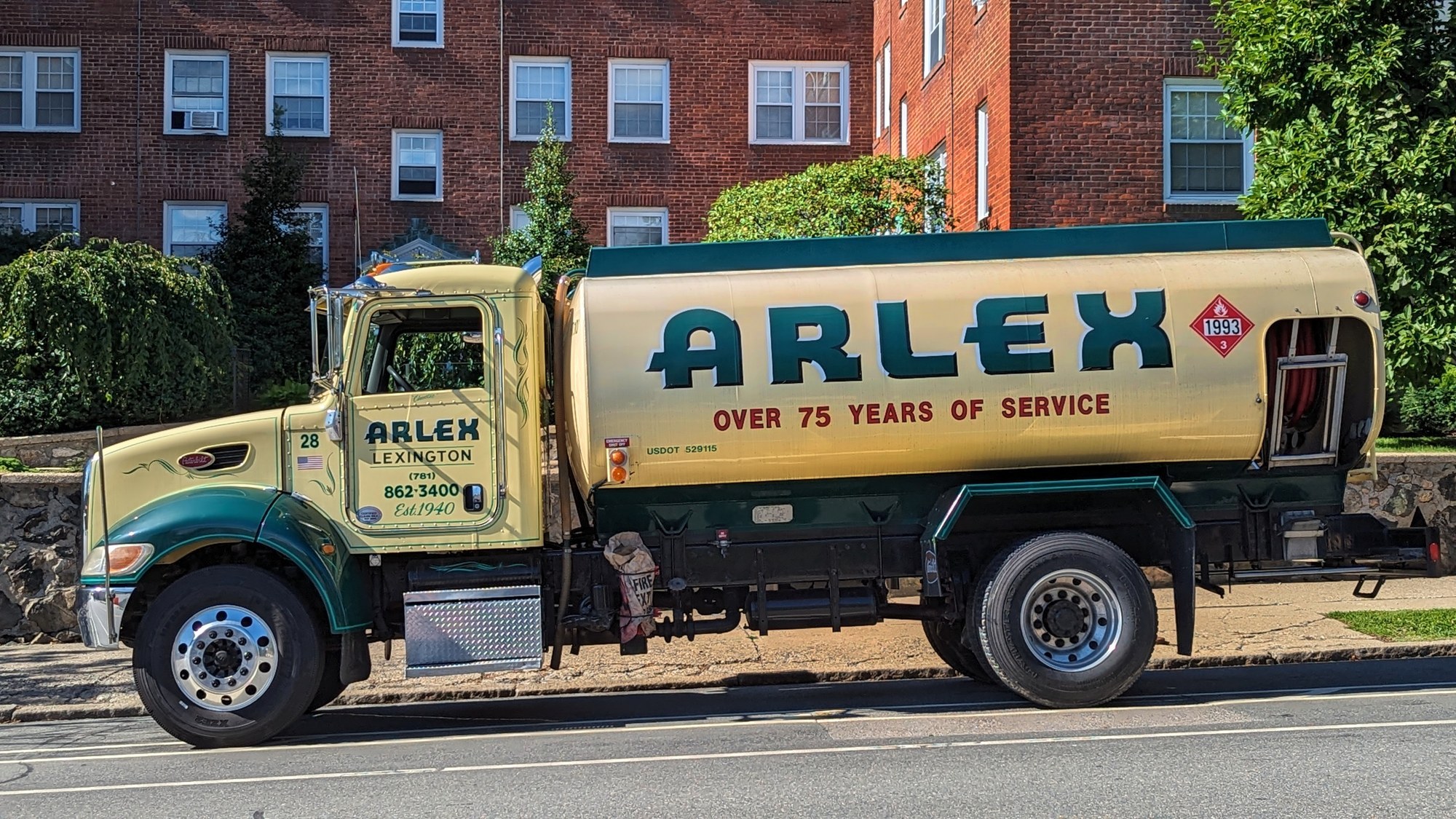
Households that heat with oil are forecast to spend about a fifth more this winter than last. The U.S. Energy Information Administration, the statistical arm of the Energy Department, projects average heating-oil spending of $2,115 for the 2026-27 season, up 21 percent, even with consumption expected to fall.
That is a forecast, not a bill already sent. The agency finished its numbers on Oct. 1 and published them on Oct. 6, and the real total will depend on how cold the winter turns out and where oil prices go from here.
How EIA gets to a 21 percent rise
The increase is driven by price. In its Winter Fuels Outlook, EIA expects heating oil to average $5.26 a gallon this winter, up 34 percent from last winter. Households are projected to burn about 402 gallons, down 9 percent, which softens the hit but does not erase it.
The agency does not state last winter’s dollar figure in the outlook. Working back from the 21 percent rise, it comes to roughly $1,750, so the gap is on the order of $365 per household over the season.
Heating oil is the main fuel for only about 3 percent of U.S. households, mostly in the Northeast, according to the agency’s Short-Term Energy Outlook. For those homes it is the biggest increase of any fuel EIA tracks.
What a household on oil can do before the first delivery
Households on heating oil should ask the supplier now about a payment plan or budget billing, before the season’s bills land. Fixing the monthly amount ahead of the coldest weeks keeps a $2,000-plus season from arriving in a few large deliveries.
The better-known route is the Low Income Home Energy Assistance Program, a federally funded program that, according to the Administration for Children and Families, helps low-income households pay their home energy bills. Eligibility is tied to federal poverty guidelines and state median income estimates, and the state sets the details. The question for a household watching the heating bill is whether the state office has opened applications and whether income falls under its limit.
Stay ahead of property tax and utility bill news: Miss an enrollment or claim deadline and the money can be gone. Join the Retirement Money Brief and we’ll send you our Property Tax & Utility Relief Finder as a welcome gift.
Get the Brief + the relief finder →
We may earn a commission from links on this page.
What the forecast says about other fuels
Other heating fuels look gentler. EIA projects average natural gas spending of $640 this winter, down 9 percent, and propane at $1,246, down 3 percent. Electricity is the other fuel expected to cost more, at $1,196, up 4 percent.
The gap shows why heating-oil homes feel it most. A household on natural gas is expected to spend roughly $640, while a household on oil is expected to spend more than three times that figure. The Northeast sees some relief on gas and propane, with gas spending forecast down 14 percent there and propane down 15 percent to $1,687.
The weather assumption behind the number
EIA builds its base case on temperatures about the same as last winter, with 3,155 heating degree days nationally, unchanged from last year. Within that, the Northeast is projected to be 12 percent milder, which is part of why the oil total does not rise further.
The agency also notes that NOAA has identified a strong El Niño pattern, which could push temperatures well away from the forecast. EIA runs side cases with every region 10 percent colder or warmer. A colder season would add to the oil bill, since the forecast already assumes the price rise.
Finding the state LIHEAP office
The federal government publishes a state and territory contact listing that gives each program’s phone number, website and public inquiry line for all 50 states, the District of Columbia and five territories. It also lists a national Energy Assistance hotline at 1-866-674-6327, staffed weekdays from 9 a.m. to 7 p.m. Eastern.
The state office is the one that takes applications, directly or through local agencies, and it sets the income limit and the benefit amount. Some programs also offer crisis help for a household close to running out of fuel, though the federal page does not describe it, so the state office is the place to ask. Applying early matters because a state’s funds are limited and application windows differ.
The forecast itself sits at the agency’s Short-Term Energy Outlook page, which is updated monthly. The November edition will show whether the oil price assumption held. A revised number would change the size of the gap, though not the fact that oil is the fuel with the sharpest forecast increase.
For an older homeowner on a fixed income, the practical task is to line up three things before the first fill-up: a payment arrangement with the supplier, a LIHEAP application where the household may be eligible, and a record of every call and date. Missing one of those is how a forecast becomes an overdue balance in February.
Heating oil bill climbing, with no help lined up?
A household that waits for the first large delivery to look for help is working against the calendar, since assistance applications take time and fuel gets more expensive as the weather turns. The forecast puts the oil bill at more than $2,100, and that money comes out of a fixed income.
The story’s money question is the heating bill, and the related job is finding and tracking the help for it. “The Senior Property Tax & Home-Cost Relief Kit” covers “heating, cooling and home-repair help” and includes “an application log and renewal calendar,” and Part 5, “Utilities and Home Costs,” is where the heating-bill material sits.
Line up heating-bill help before the first oil delivery with the home-cost relief kit →
This article was produced with AI assistance and edited for accuracy against the sources linked above.