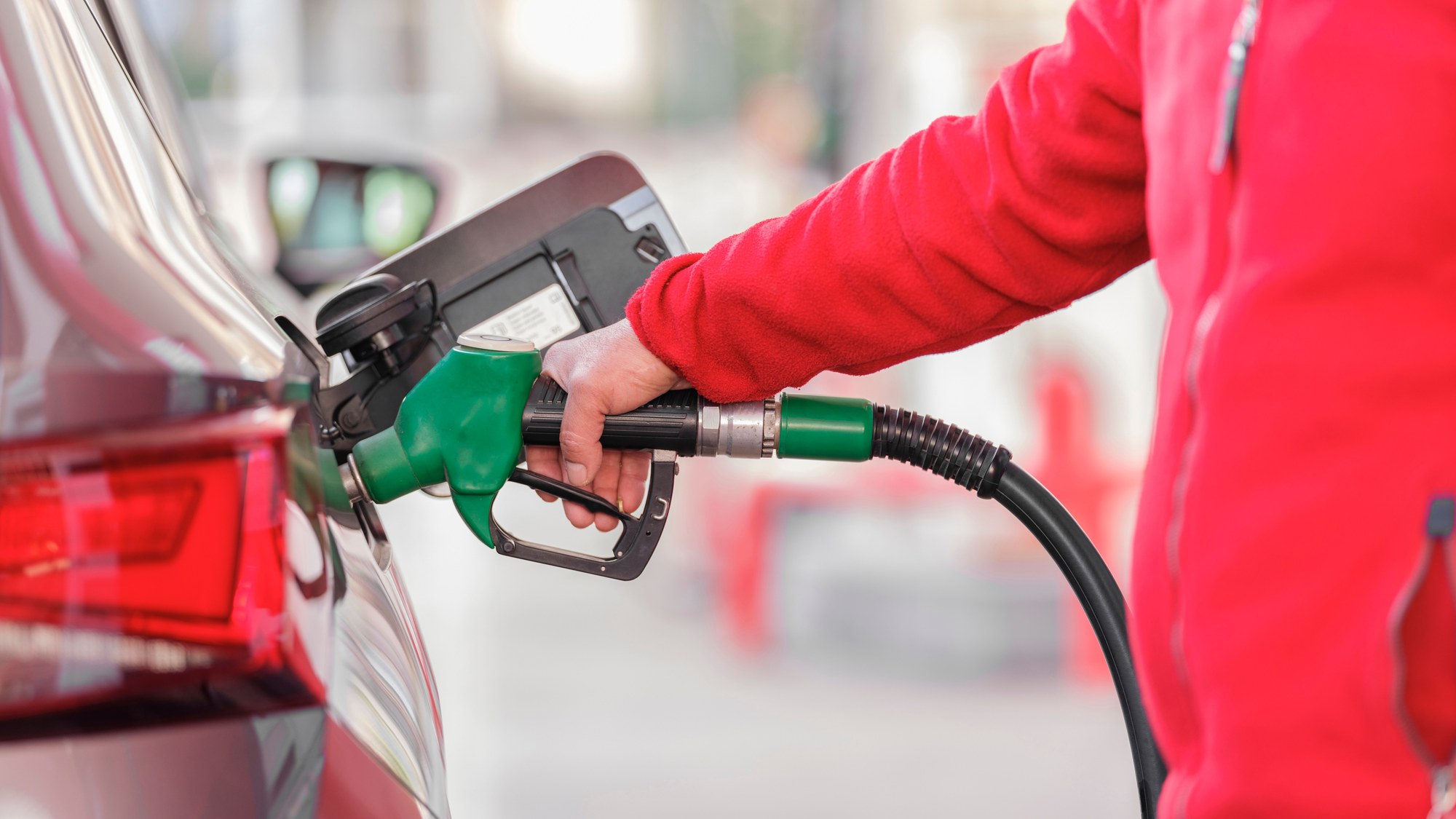
Indiana drivers are paying the lowest average gas price in the country at $3.5623 a gallon, one of fourteen states still averaging under $4 for regular gasoline as of September 10, 2026. The list stretches from the Midwest through the Gulf Coast and into the Southeast, even as six states on the opposite coast and in the Pacific now average more than $5 a gallon for the same gallon of gas. For a retiree filling up on a fixed Social Security check, the roughly $2.34 gap between the cheapest and most expensive state pumps is the difference between a routine errand and a budget-straining one.
Indiana Leads a Cluster of Under-$4 Gulf and Midwest States
Indiana’s average of $3.5623 a gallon is the cheapest in the country. Mississippi follows at $3.8034, then Texas at $3.8314, Kansas at $3.8475, Louisiana at $3.8523, Alabama at $3.8717, Oklahoma at $3.8718, Tennessee at $3.8923, South Carolina at $3.9021, Arkansas at $3.9243, Missouri at $3.9422, North Carolina at $3.9509, Georgia at $3.9589 and Kentucky at $3.9686 — fourteen states in all, none more than 41 cents apart from one another.
Every state on the list sits in the Midwest, the Gulf Coast or the Southeast, according to AAA’s state-by-state gas price tracking, updated September 10, 2026 — a pattern tied to lower state gasoline taxes and proximity to Gulf Coast refining capacity rather than to any single week’s news. Indiana’s position at the very bottom is a shift from the state’s usual mid-pack ranking, the kind of week-to-week movement that can put a state at the top or bottom of the list without any change in underlying policy.
Free retirement updates: One number can cost or save hundreds a month in retirement. The free Retirement Shield newsletter surfaces the ones worth knowing. Sign up free.
A Widening Gap With the Six States Over $5
The same AAA tracking that puts Indiana at $3.5623 shows six states now averaging more than $5 a gallon: California at $5.8992, Washington at $5.5382, Hawaii at $5.4005, Oregon at $5.0663, Alaska at $5.0505 and Nevada at $5.0134. The spread between Indiana and California, the nation’s most expensive state, now runs to roughly $2.34 a gallon — enough that a 15-gallon fill-up costs about $35 more in California than in Indiana on the very same day.
Nationally, the average price for a gallon of regular gasoline reached $4.2770 on September 10, 2026, up 13 cents from $4.1436 a week earlier, AAA reported. The fourteen cheapest states have not been immune to that increase; they simply started from a lower base, so the same national pressure lands softer in dollar terms than it does on the coasts.
Why the Cheap-Gas Map Rarely Moves Fast
State gasoline taxes explain much of the persistent gap. Indiana, Mississippi, Texas, Oklahoma and several of the other states on the under-$4 list charge among the lowest combined state and local fuel taxes in the country, while California and Washington carry two of the highest. Distance from refining capacity plays a role as well: Gulf Coast states sit close to the refineries that supply much of the country’s gasoline, while Hawaii and Alaska pay a shipping premium that keeps their prices elevated regardless of what crude oil is doing nationally.
That structural gap is why the fourteen-state list tends to look similar from month to month even as the national average moves. A retiree who relocates from a high-tax coastal state to a low-tax Gulf or Midwest state can generally expect the price difference to persist rather than close, absent a change in state tax policy.
What the Spread Means for a Fixed Monthly Budget
For someone living on a fixed Social Security check or pension, the dollar difference is concrete. Filling a 15-gallon tank costs about $53 in Indiana at the current average, versus roughly $88 in California and $81 in Hawaii. A retiree who drives regularly for medical appointments, prescription pickups or caregiving trips in one of the six higher-priced states can see that gap add up to well over $100 a month compared with the same trips made in Indiana or Mississippi.
Unlike a monthly Social Security deposit, which is fixed until the next scheduled cost-of-living adjustment, gasoline is one of the few household costs that changes day to day. A retiree budgeting around a fixed check has far less room to absorb a swing at the pump than a household with a paycheck that adjusts more often.
The Cheapest Tier Is Bunched Tighter Than It Looks
Beyond Indiana’s outlier low, the remaining thirteen under-$4 states are tightly clustered: Mississippi, Texas, Kansas, Louisiana, Alabama and Oklahoma all sit within about 7 cents of one another, and Tennessee through Kentucky span less than 8 cents more. That bunching means a retiree crossing between most of the fourteen cheap states would barely notice a difference at the pump, while crossing into any of the six states above $5 would mean paying at least a dollar more per gallon than at home. AAA’s state-by-state page, current as of September 10, 2026, remains the clearest live picture of where that line currently sits.
This article was produced with the assistance of AI and reviewed by The Financial Wire editorial team.
More Financial Reading
- The ideal retirement withdrawal rate so your savings actually last
- Bank statements: how long to keep them and when to toss them