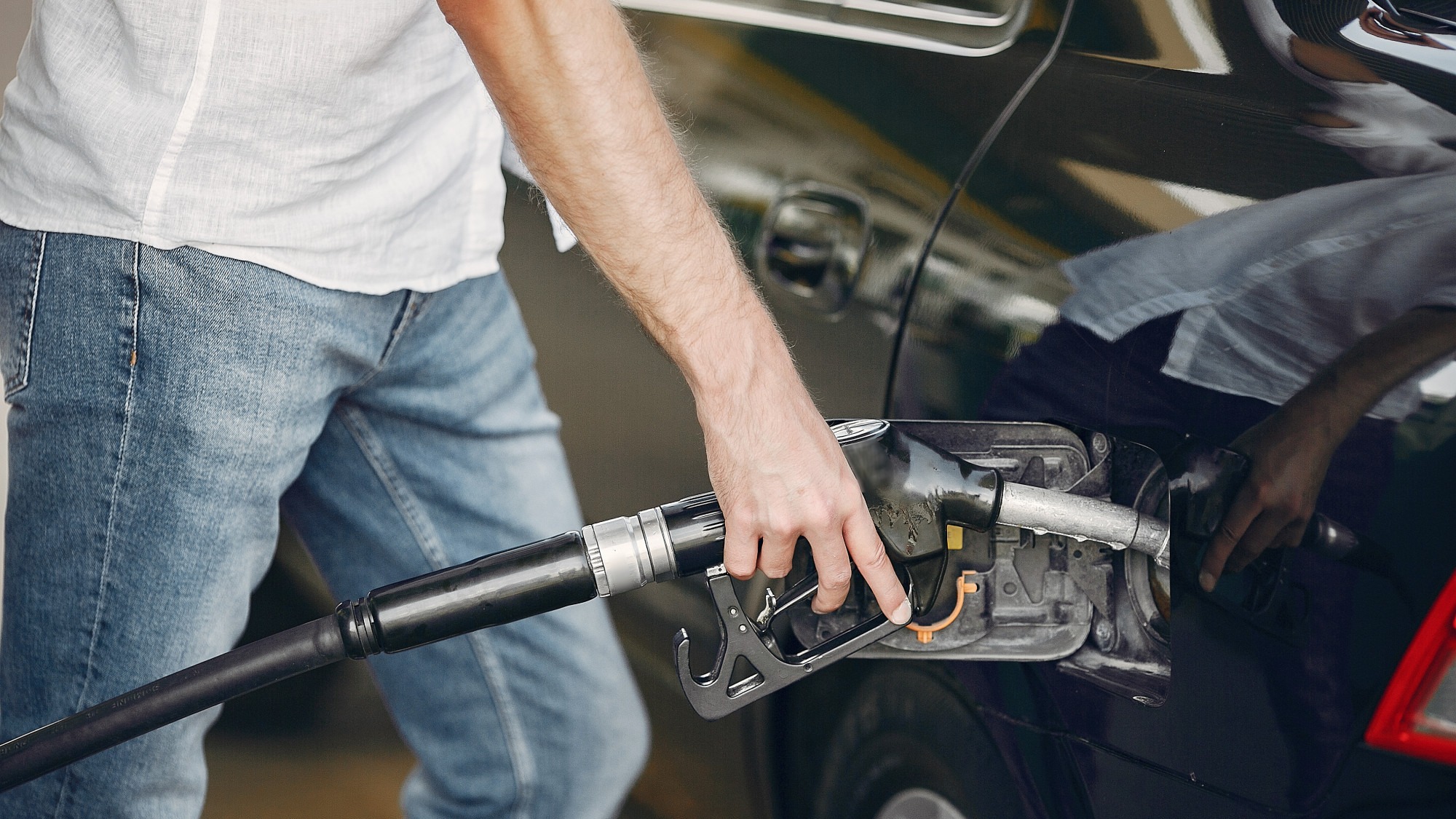
American drivers are paying roughly 28% more for gasoline than they did a year ago, and that single price swing has become the dominant force pushing overall energy costs higher as the Bureau of Labor Statistics releases fresh Consumer Price Index data for May 2026. The April CPI report pegged the gasoline index at 28.4% above its year-earlier level, while the energy index climbed 17.9% over the same span. Gasoline alone contributed 24.2% to the annual change in the price of all goods and services, according to the Bureau of Transportation Statistics. The May numbers, now public, show the acceleration has intensified rather than eased.
Why a 28% gasoline surge is reshaping the inflation picture
Gasoline carries an outsized punch in the CPI because its price moves fast and touches nearly every household. When pump prices jump, the effect ripples through commuting budgets, delivery costs, and consumer sentiment well before slower-moving categories like rent or medical care adjust. The April CPI release showed the energy index rising 3.8% in that single month, with gasoline accounting for the bulk of the increase. Energy overall was responsible for more than forty percent of the monthly all-items gain, a share far larger than gasoline’s weight in the consumer basket would suggest on its own.
One reason gasoline can dominate headline inflation despite a modest basket weight is the speed at which retail prices change. The Energy Information Administration collects weekly pump prices from a national sample of retail outlets using Form EIA-878, and those figures can swing several cents per gallon in a matter of days. The BLS, by contrast, samples motor fuel prices on a schedule tied to its broader CPI collection calendar. Cross-referencing the two series suggests a lag of roughly three to five weeks before a sharp gasoline spike fully registers in the published CPI index. That gap means the May CPI release could still be absorbing price moves that showed up at the pump weeks earlier, and readers tracking inflation should watch for that delayed pass-through when comparing monthly reports.
April and May CPI data confirm gasoline as the leading cost driver
The May 2026 CPI report recorded headline consumer prices rising 0.5% month over month on a seasonally adjusted basis and 4.2% year over year on a not-seasonally-adjusted basis. Within that report, the energy index jumped 3.9% for the month, and the gasoline index surged 7.0% month over month and 40.5% year over year. Those May figures represent a sharp escalation from April, when gasoline was already running 28.4% above its prior-year level.
The Bureau of Transportation Statistics quantified gasoline’s role in its April Transportation Consumer Price Index report, noting that gasoline of all types contributed 24.2% to the annual change in CPI. In that transportation inflation summary, analysts highlighted that nearly a quarter of the overall yearly price increase traced back to a single commodity. No other individual item in the consumer basket came close to that contribution share during the same period.
For households, the practical effect is straightforward. A family spending $200 a month on gasoline a year ago now faces roughly $256 a month at the current price level, assuming similar driving habits. For commuters with long drives or limited access to public transit, that extra $56 can crowd out other essentials, from groceries to credit card payments. Because gasoline purchases are frequent and highly visible, consumers feel these increases more acutely than many other price changes, even if those other categories are also rising.
The squeeze is particularly sharp for lower- and middle-income households, which tend to devote a larger share of their budgets to transportation. Renters who moved farther from city centers in search of cheaper housing during earlier phases of the pandemic-era economy may now find that savings eroded by higher fuel costs. Small businesses that rely on delivery vehicles or service fleets face a similar bind, as they must decide how much of the added fuel expense to absorb and how much to pass on to customers.
Broader economic implications of higher pump prices
Rising gasoline costs also complicate the broader inflation narrative. Core inflation measures, which strip out food and energy, can suggest a gradual cooling even while headline inflation remains elevated due to fuel. Policymakers and investors watch both sets of numbers, but households experience the headline figure more directly when they pay at the pump. As a result, consumer expectations about future inflation can become unanchored if gasoline prices stay high or continue to climb.
Transportation costs feed into the prices of goods across the economy as trucks, delivery vans, and other vehicles burn more expensive fuel. Over time, companies may adjust shipping fees, raise product prices, or trim services to offset higher operating costs. That secondary pass-through tends to be slower and less dramatic than the initial jump in pump prices, but it can prolong inflationary pressure even if gasoline prices later stabilize.
For now, the data show that gasoline remains the single most important driver of the recent uptick in inflation. Unless fuel prices retreat meaningfully, future CPI reports are likely to reflect continued pressure from the energy component, keeping headline inflation higher than it would otherwise be and ensuring that the cost of filling up stays at the center of the economic conversation.