General Motors has told federal safety regulators that the backup camera on more than 300,000 late-model Buick and Chevrolet SUVs can fail at the exact moment it is supposed to help a driver avoid backing into someone. The company has opened a formal recall rather than a quiet software patch, and it is instructing dealers to inspect the affected cameras and swap them out for free wherever the defect shows up. For an owner, the immediate task is simple: confirm the vehicle is covered and get the dealer visit scheduled. The underlying defect is one regulators consider serious enough to track by VIN nationwide. The recall applies whether the SUV is still on a dealer lot, sold new to a first owner, or has already changed hands once on the used market.
The Camera Defect NHTSA Documented
Under recall campaign 26V539, General Motors reports that “the rearview camera screen may display a distorted or blank image,” according to the recall filing logged with the National Highway Traffic Safety Administration. The agency’s summary of the consequence is direct: compromised rear visibility raises the risk of a crash while backing up, precisely the scenario a rearview camera exists to prevent. GM received the underlying report on August 20, 2026, and the recall covers vehicles built with the flawed camera hardware or software regardless of how long an owner has driven the vehicle without noticing a problem. A camera that intermittently blanks out is easy to dismiss as a one-time glitch, which is part of why GM’s filing treats the defect as a build-range issue rather than something an owner has to first prove is happening.
NHTSA’s database lists the defect under a sensing-system component code rather than a wiring or infotainment-screen fault, meaning GM traced the problem to the camera module itself rather than to the dashboard display that shows its feed. That distinction shapes the repair: the fix is a physical camera swap rather than a software reset, which is also why GM built a two-letter notification process around parts logistics instead of sending owners one combined notice.
The paperwork a recall notice skips: GM’s notice for campaign 26V539 tells owners that a dealer will inspect and, if needed, replace a defective rearview camera at no charge, but it does not give an owner anywhere to record that the appointment happened or that a replacement camera actually shipped. Track the repair in The Settlement & Refund Recovery System.
Four Nameplates, One Campaign Number
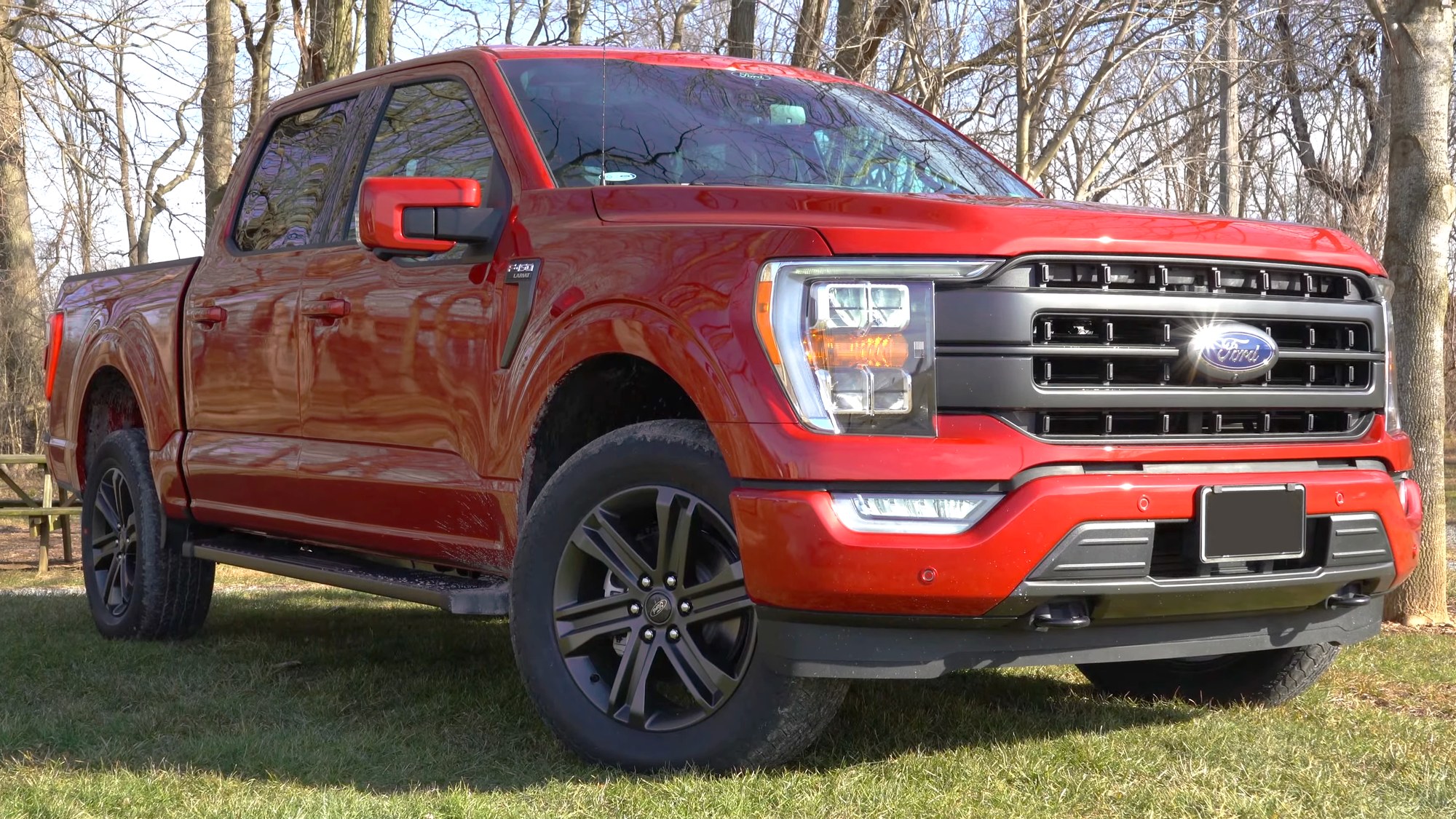
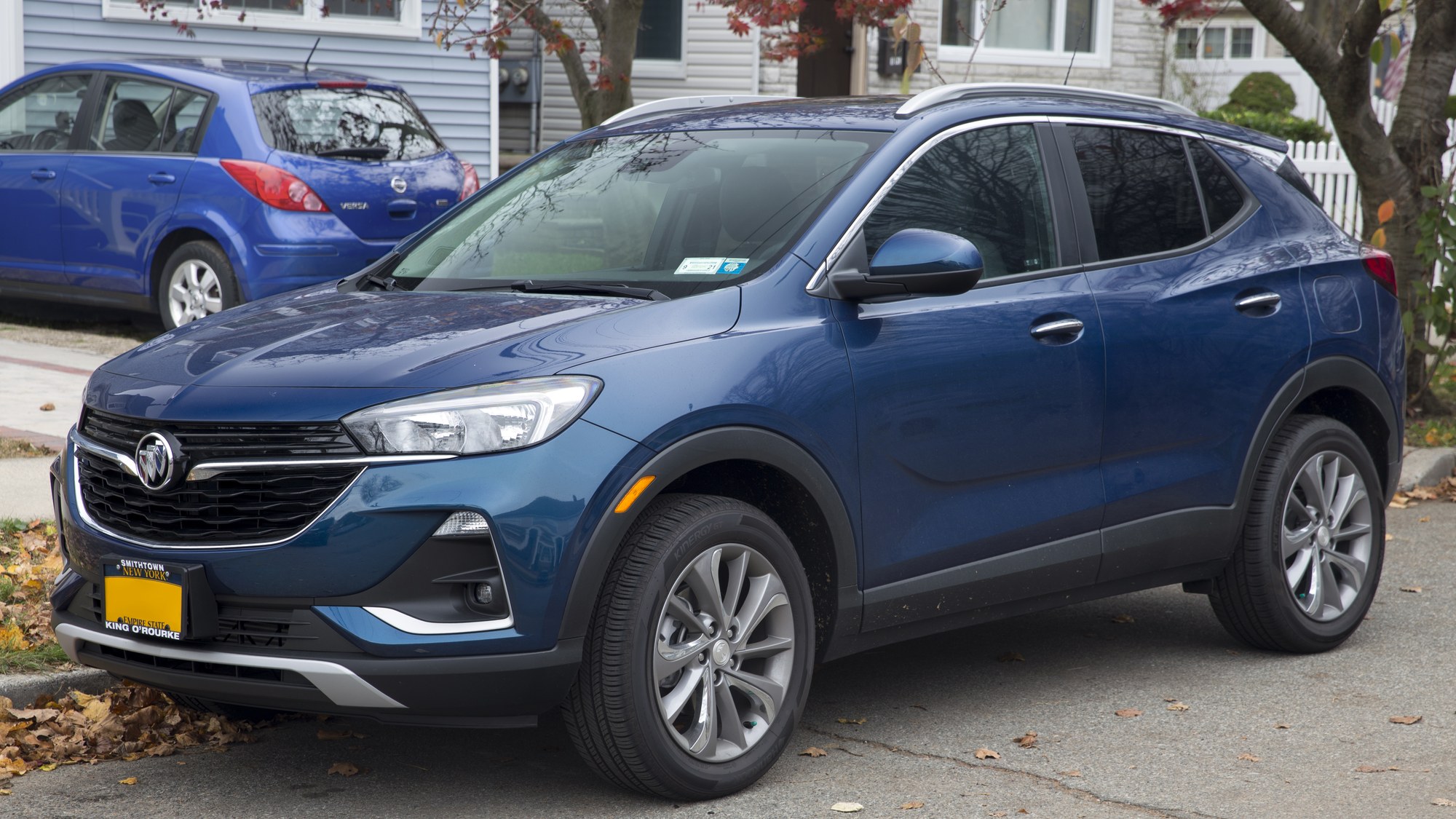
Campaign 26V539 spans 306,511 vehicles across four current GM SUVs: the 2024–2025 Buick Envista, the 2024–2026 Buick Encore GX, the 2024–2026 Chevrolet Trailblazer and the 2025 Chevrolet Trax. The four models share a camera component, which is why one campaign number covers all of them rather than a separate filing for each nameplate. An owner does not need to have noticed a blank or distorted screen to be included; the recall applies to the covered VIN range, not to vehicles where the defect has already become visible. Envista and Encore GX are Buick’s current small-SUV lineup, while Trailblazer and Trax fill the same segment for Chevrolet, so the shared camera supplier and hardware explain why one filing touches two GM brands at once rather than a single nameplate.
The four-model spread reflects how GM increasingly shares components across its smaller crossover platforms even when the vehicles are marketed under separate brands, which is why a single camera supplier’s defect can surface at the same time on an Envista, an Encore GX, a Trailblazer and a Trax rather than staying contained to one nameplate.
How GM’s No-Cost Repair Works
GM’s remedy, as filed with NHTSA, is that dealers “will perform inspections and replace the rearview camera at no cost to owners.” Initial owner notification letters went out starting September 17, 2026, and a follow-up letter is due once replacement parts are available at dealers nationwide, per the same NHTSA recall record. Owners who want to check status before a letter arrives can call Chevrolet at 1-800-222-1020 or Buick at 1-800-521-7300, using GM’s internal recall number A262554900 if a dealer asks for it. Because parts availability is still catching up to the letter schedule, an owner whose dealer has no camera in stock yet is not being denied the recall — the second mailing exists for that reason. In the meantime, an owner does not have to wait for either letter to act: NHTSA’s public VIN search tool already reflects campaign 26V539, so a dealer can confirm eligibility and log an appointment before any notice arrives in the mail.
GM’s choice to notify owners before every dealer has a replacement camera in stock is itself notable. Rather than hold the letters until the parts supply chain caught up nationwide, the company told owners about the defect starting September 17, 2026, and reserved a second letter for once camera units are broadly available, a sequencing that gets the safety information into an owner’s hands faster even though a first dealer visit may end in a confirmed diagnosis rather than a completed repair.
Why Rear Visibility Matters More For Older Drivers
A blank or distorted backup camera does not disable a vehicle, but it removes a safety layer that federal rules require specifically because blind spots behind a vehicle are hardest to judge by mirror alone, a risk that can rise with age-related changes in neck mobility and peripheral vision. Replacing the camera costs the owner nothing under this recall, but delaying the dealer visit carries a cost of its own: continuing to back up without a working camera in a vehicle an owner may have bought for that exact feature. NHTSA’s public VIN lookup has listed the affected range since August 20, 2026, giving any Envista, Encore GX, Trailblazer or Trax owner a way to confirm coverage before a letter even arrives. For a driver who relies more on the camera than on turning to check over a shoulder, a blank screen is not a minor inconvenience; it is the removal of the specific tool that made backing up manageable in the first place, which is exactly why NHTSA treats the defect as a crash-risk issue rather than a comfort feature.
Federal rules requiring backup cameras on new vehicles took effect specifically because the blind zone directly behind a vehicle is large enough that mirrors alone can miss a person or object standing there, the exact hazard this recall reintroduces whenever a camera goes dark. That is also why GM’s remedy applies regardless of a vehicle’s mileage or service history: the defect traces to camera hardware installed at the factory, not to how an SUV has since been driven, so a well-maintained, low-mileage SUV is no less likely to be covered than one that has logged far more miles.
What A Free Camera Recall Still Leaves Undocumented
Campaign 26V539 sets a clear remedy: a GM dealer inspects the rearview camera and replaces it at no cost if the screen is blank or distorted. It does not tell an owner how to prove the repair happened months later, if a resale buyer or an insurer ever asks. That follow-through is a recordkeeping job, not a mechanical one, and a recall notice does not include a place to keep it.
The Settlement & Refund Recovery System pairs a claim log and payment tracker with a step-by-step filing walkthrough, both built to hold the kind of open-ended repair or refund paperwork a recall notice leaves for the owner to manage alone.
Open the tracker before the next dealer visit: The Settlement & Refund Recovery System.
This article was produced with AI assistance and checked against the primary sources linked above.