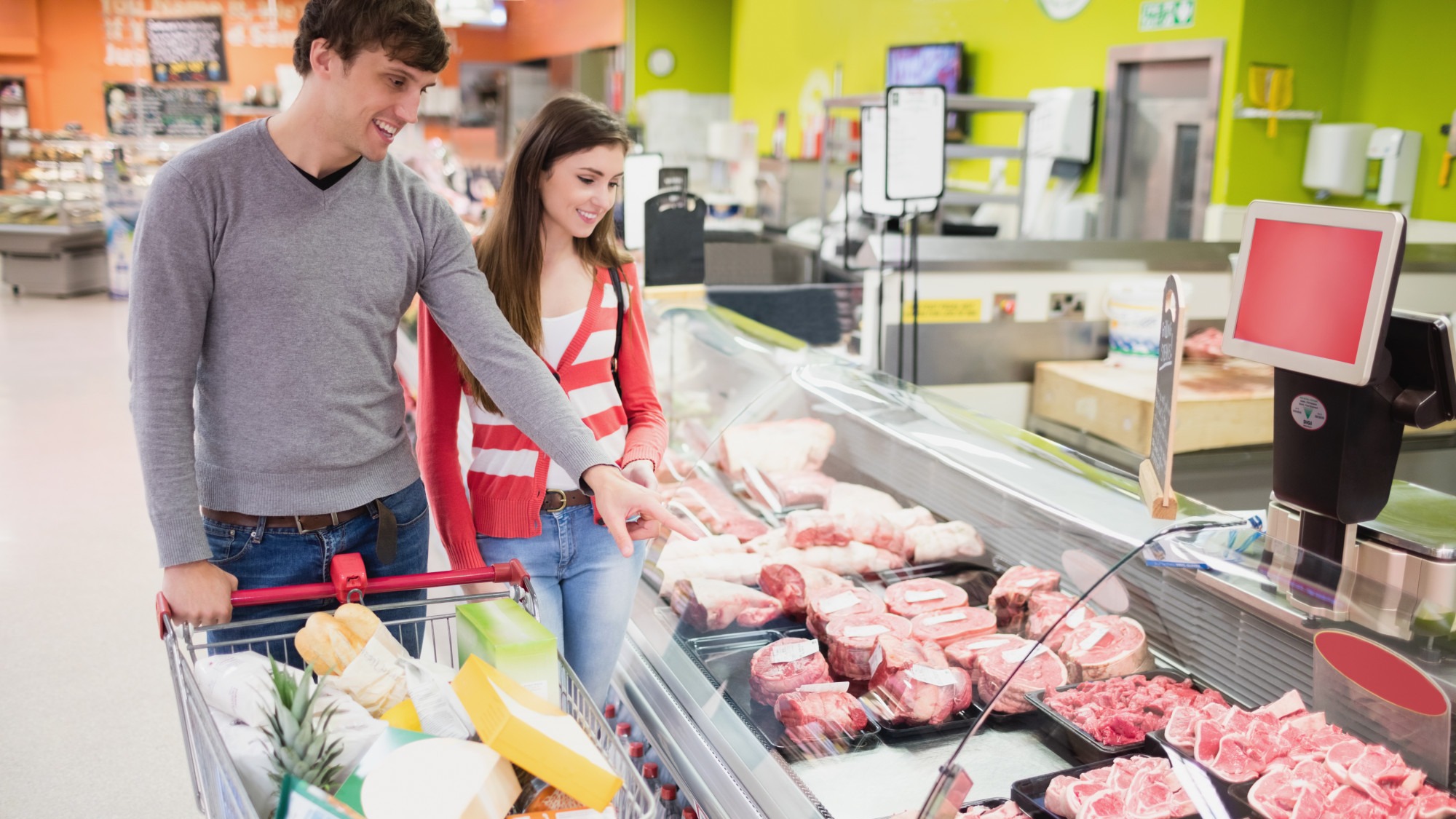
American grocery shoppers are now paying more for ground beef than at any point on record. The average retail price of all uncooked ground beef reached $7.06 per pound in May 2026, according to Bureau of Labor Statistics data released June 10, 2026. That figure edges past the prior month’s $7.056 reading and represents the highest nominal price since the government began tracking the item. Behind the price spike sits a simple supply problem: the U.S. cattle herd fell to 86.2 million head as of January 1, 2026, the smallest count since 1951.
A 75-year herd low is squeezing every pound of beef at the register
The connection between shrinking herds and rising retail prices is direct. Fewer cattle mean fewer animals moving through feedlots and processing plants, which tightens the supply of beef cuts available to grocers. The USDA’s National Agricultural Statistics Service reported that beef cows totaled 27.6 million as of the start of 2026, and the calf crop for the period ending that date reached 32.9 million. Cattle on feed stood at 13.8 million. Each of those figures reflects a herd that has been contracting for years, driven by drought conditions across major ranching states and the economics of rebuilding breeding stock.
The stage-1 hypothesis worth testing is straightforward: if the January 1 count marks the trough of this cattle cycle, ground-beef prices should hold above $6.80 per pound through December even if feed costs drop 10 percent. Feed is a meaningful input, but it accounts for only a portion of the final retail price. Packing capacity, labor, transportation, and retailer margins all layer on top. A 10 percent feed-cost decline would shave pennies, not quarters, off a pound of ground beef when the underlying animal supply remains this tight. The math favors sustained high prices well into late 2026 unless herd expansion accelerates faster than biological limits typically allow, since it takes roughly two years for a retained heifer to produce a market-weight calf.
BLS price data and USDA herd counts tell a consistent story
Two federal datasets anchor the headline claim. The BLS publishes its consumer price series for specific items, including all uncooked ground beef per pound, through the average price methodology used in the Consumer Price Index program. The May 2026 reading of 7.064 dollars per pound, drawn from the FRED time series maintained by the Federal Reserve Bank of St. Louis, confirms the new nominal high. April 2026 had already set the previous record at 7.056. The month-over-month increase was small in absolute terms but extended a climb that has been building for more than a year.
On the supply side, the USDA published its cattle inventory report on January 30, 2026, placing the total herd at 86.2 million head and explicitly calling it the smallest since 1951. No subsequent official mid-year inventory update has been released, so the January snapshot remains the most recent authoritative count. The absence of newer data means analysts are working with a five-month-old baseline when assessing current supply conditions, a gap that matters because spring calving and any early herd rebuilding would not yet be visible in the official numbers. Still, the biological lag between calving and slaughter weight ensures that even an aggressive expansion effort would not materially ease beef supplies in grocery cases before late 2027.
On the demand side, the BLS June 10 release on consumer prices indicates that overall food inflation has cooled compared with the peaks of 2022 and 2023, yet specific categories such as meats continue to show pressure. Within that report, the agency notes that prices for many household staples remain elevated relative to pre-pandemic levels, with beef products standing out as a key contributor. The same release, available in the latest CPI summary, underscores that even modest monthly increases compound quickly when starting from already high price points.
What it means for household budgets and the year ahead
For shoppers, record ground-beef prices translate directly into more expensive staples such as burgers, meatloaf, and tacos. Some households are responding by trading down to smaller package sizes, stretching recipes with beans or vegetables, or switching to poultry and pork when those proteins are on sale. Retailers, meanwhile, are juggling tight supplies with consumer resistance to higher price tags, using loyalty discounts and promotional bundles to soften the blow without eroding margins too sharply.
Looking ahead, the key variables to watch are weather in major cattle-producing regions, feed costs, and any policy shifts affecting meatpacking capacity or trade. A return to more favorable pasture conditions could encourage ranchers to retain more heifers and begin rebuilding herds, but that would initially tighten slaughter numbers further before eventually boosting supply. Conversely, continued drought or high financing costs could prolong liquidation and keep the herd near multi-decade lows.
Until those structural constraints ease, the data point in the same direction: a historically small cattle herd is colliding with steady consumer demand, and the result is the most expensive ground beef American shoppers have ever seen on a nominal basis. Barring an unexpected shock that sharply curtails demand, prices are likely to remain elevated through the end of 2026, keeping ground beef a visible symbol of how supply-side bottlenecks ripple all the way to the family dinner table.