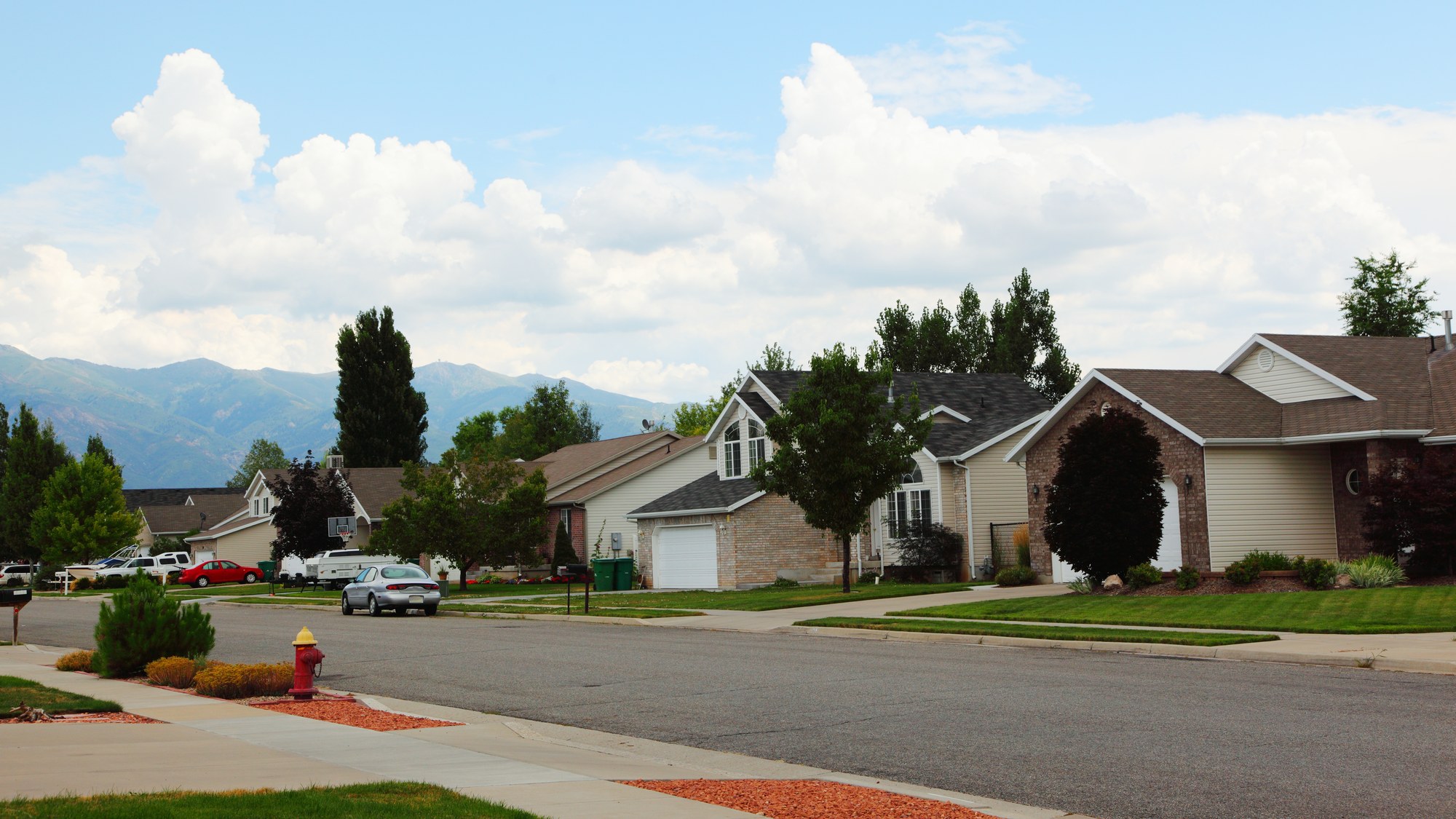
The resale housing market spent August looking less like the seller-favored years that followed the pandemic and more like something buyers could actually negotiate in. Homes sat on the market long enough, and enough of them accumulated unsold, that the National Association of Realtors’ monthly supply measure reached 4.9 months — a level the trade group says has not been higher in more than ten years. Sales moved in the opposite direction, slipping 2% for the month, a pairing that describes a market cooling from both sides at once.
Inventory Reaches Its Highest Level In Over A Decade
Unsold existing homes stood at 1.62 million units in August, enough to supply 4.9 months at the current sales pace, the highest reading NAR’s existing-home sales report has recorded in more than ten years. Months’ supply measures how long it would take to sell every home currently listed if no new ones were added, so a rising number signals homes accumulating faster than buyers are clearing them, whatever is driving the slowdown on the demand side.
What the supply number leaves out: A 4.9-month supply describes how fast homes are moving off the market, but it says nothing about what it costs to keep paying property taxes and utility bills on a home that takes longer to sell. Look at the heating and cooling help in The Senior Property Tax & Home-Cost Relief Kit.
Sales Fall 2% As The Backlog Builds
Existing-home sales ran at a seasonally adjusted annual rate of 3.98 million in August, down 2.0% from the prior month, according to the same NAR report. That decline, paired with the rising months’ supply figure, is what NAR’s data points to as evidence the market is shifting: fewer transactions closing each month while the pool of homes waiting for a buyer keeps growing.
Why More Supply Shifts Leverage Toward Buyers
Lawrence Yun, chief economist at the National Association of Realtors, said the ample supply of homes for sale on the market is giving homebuyers better opportunities to negotiate, a direct statement of how a rising months’-supply figure translates into practice: more choices for a shopper, and less urgency to accept a listing price without pushing back. For an owner trying to sell, the same shift works in reverse, meaning a listing may need to sit longer, get repriced, or come with concessions that were rarer when supply was tighter.
That matters differently depending on which side of a transaction a homeowner is on. A retiree downsizing and selling a long-held house is now competing against a larger pool of other listings for the same pool of buyers, while someone shopping to buy a smaller home gains the negotiating room Yun described.
First-Time Buyers Made Up Nearly A Third Of Sales
First-time buyers accounted for 30% of existing-home purchases in August, according to NAR’s data as reported by HousingWire’s recap of the release, a group that tends to benefit most directly when supply loosens and sellers become more willing to negotiate on price or closing costs. That figure sits alongside the 4.9-month supply reading as one more sign that August’s slower sales pace was not purely a story of buyers pulling back — it also reflects a market where the buyers who remained had more room to shop and less pressure to move immediately on the first listing they saw.
A Market Still Working Through Last Month’s Numbers
NAR’s August figures, covering closings recorded during the month, are the most current the trade group has published, and the same existing-home sales report is the source both for the 2% monthly sales decline and the decade-high supply figure driving this week’s coverage. Whether the trend continues into September will not be clear until NAR’s next monthly release, which is the only source that will update either number. For now, the two figures in the same report, a 2.0% pullback in closed sales and a months’-supply reading NAR describes as the highest in more than a decade, point in the same direction: a market cooling on the demand side while the number of homes waiting for a buyer keeps climbing.
More Homes For Sale, But Not A Lower Cost To Own One
NAR’s 4.9-month supply figure and the 2% drop in August sales describe how quickly homes are changing hands, but neither number says anything about the property taxes, insurance premiums or utility bills that keep arriving whether a house sells this month or sits for six more. A slower market can mean carrying those costs longer than planned, on top of whatever price a home eventually fetches.
The Senior Property Tax & Home-Cost Relief Kit pairs the 5 kinds of property-tax relief with a circuit-breaker credit that includes renters as well as owners, and tracks both on a renewal calendar for keeping applications current from one year to the next.
Check the circuit-breaker credit in The Senior Property Tax & Home-Cost Relief Kit.
This article was produced with AI assistance and checked against the primary sources linked above.