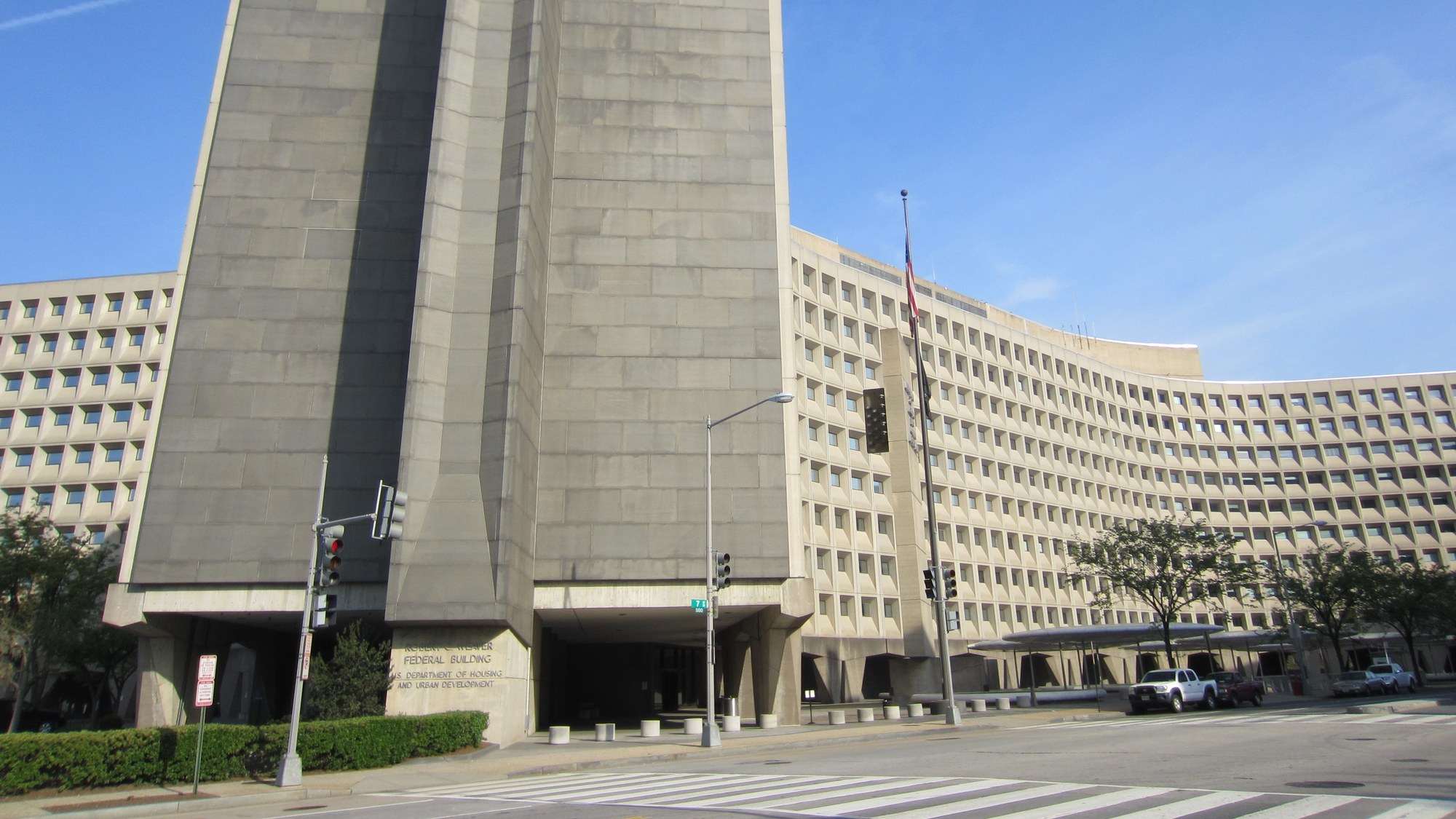
The Department of Housing and Urban Development has put two pools of defaulted reverse mortgages on its sales calendar, and the larger one by loan count is a package of about 4,000 loans on empty homes. HUD calls the vacant pool HVLS 2027-1 and lists its bid date as a tentative one in October 2026. A smaller, earlier pool, covering occupied properties, was already set for bids on September 1.
Who is on the other side of these loans
The legal description matters for families. HUD says both sales involve “due and payable first-lien mortgage loans secured by Home Equity Conversion Mortgages (HECMs) on 1- to 4-unit residential properties, where the borrowers and any non-borrowing spouses are deceased.” In other words, these are not loans to current borrowers living in their homes. The original borrower, and any spouse who was not on the loan, has died.
That puts the people most likely to notice the sale in a specific group: heirs and estate representatives who have been dealing with a servicer over a deceased parent’s or relative’s reverse mortgage, particularly where the house is now empty. For the vacant pool, the loans are by definition tied to properties nobody lives in, so the affected households are mostly relatives handling an estate rather than occupants. If a loan in their family’s file is bundled into HVLS 2027-1 and sold, the party sending payoff statements and handling the property could change to whoever wins the bid. The announcement does not describe any notice period or heir protections, and the families’ questions are best put to the current servicer in writing.
The next real development for HVLS 2027-1 will be HUD confirming a firm bid date or an award date, and the free RetireShield brief will pass that along when it appears.
Get the next update free → Free from RetireShield. Unsubscribe anytime.
What HVLS 2027-1 contains and what is still unannounced
HUD’s announcement describes HVLS 2027-1 as approximately 4,000 loans on 1- to 4-unit vacant residential properties, with the bid date listed as “tentative” for October 2026. National Mortgage News, reporting on the sale on August 3, carried the same description: about 4,000 unoccupied loans backed by Home Equity Conversion Mortgages, bid date tentatively planned for October.
Two things are missing from both documents. Neither gives an award date, so no one outside HUD can say when winning bidders would be named or when ownership of the loans would change hands. And, unlike the other pool, the vacant sale carries no published unpaid-principal total in the notification, so the dollar size of HVLS 2027-1 is not stated. Because the October date is tentative, it can move; the earlier sale is proof of that.
The HNVLS 2026-1 precedent: a sale that slipped from February to September
The comparison point is HNVLS 2026-1, the non-vacant sale. HUD’s notice puts it at approximately 1,500 loans with a total balance of roughly $454 million, a bid date of September 1, 2026, and a data room that opened on or about July 30. The loans are secured by properties occupied by people who are not the borrowers.
That September 1 date was not the original one. National Mortgage News reported that the pool had first been set for a February 2026 bid and was rescheduled to September 1, which is why its headline describes HUD as reopening the pool for bids. A sale that took about seven months to move from its first bid date to its second is a reasonable reason to treat any HUD note-sale date, including the October one, as a target rather than a commitment.
Some arithmetic helps frame the two pools without overstating it. Divided evenly, $454 million across 1,500 loans is about $300,000 per loan. HUD has not published a balance for the vacant pool, so that figure cannot be carried over to HVLS 2027-1, and nothing in either document says the vacant loans are similar in size.
HUD’s notice also sets one buyer condition: bidders must provide an attestation that they comply with Executive Order 14376, “Stopping Wall Street from Competing with Main Street Homebuyers,” and with Title X of the 21st Century ROAD to Housing Act. National Mortgage News adds that Falcon Asset Sales manages both offerings.
Planning for a servicer change on an inherited reverse mortgage
For a family with a HECM tied to a deceased borrower, the first job is to find out whether that loan is in either pool at all. HUD’s announcement lists the sales’ contact point at the Office of Asset Sales: 1-844-709-0763 or HUDSales@falconassetsales.com, run through Falcon’s single-family transaction specialists. That is the route HUD names for questions about the offerings, and it costs nothing.
The useful paperwork to have on hand is the loan number, the servicer’s most recent payoff or due-and-payable letter, the date of the borrower’s death and a copy of the letters of administration or equivalent estate document. Those items let a servicer or the sales office tell a family which status the loan has. Keeping a dated log of every call and letter helps if the servicer changes midstream, because a new holder starts from the file it receives.
The date is the other thing to watch. Bids on the vacant pool are only tentatively set for October, and no award date has been published. Until HUD or its sales contractor posts one, a family cannot count on any particular day for a transfer, and should not assume the earlier pool’s timetable applies to the later one.
More Financial Reading
- How many CDs can you park at 1 bank? FDIC rules you must know
- Adding someone to your bank account: tax traps and smart moves
- Bank statements: how long to keep them and when to toss them
This article was produced with AI assistance and reviewed by The Financial Wire’s editorial team.