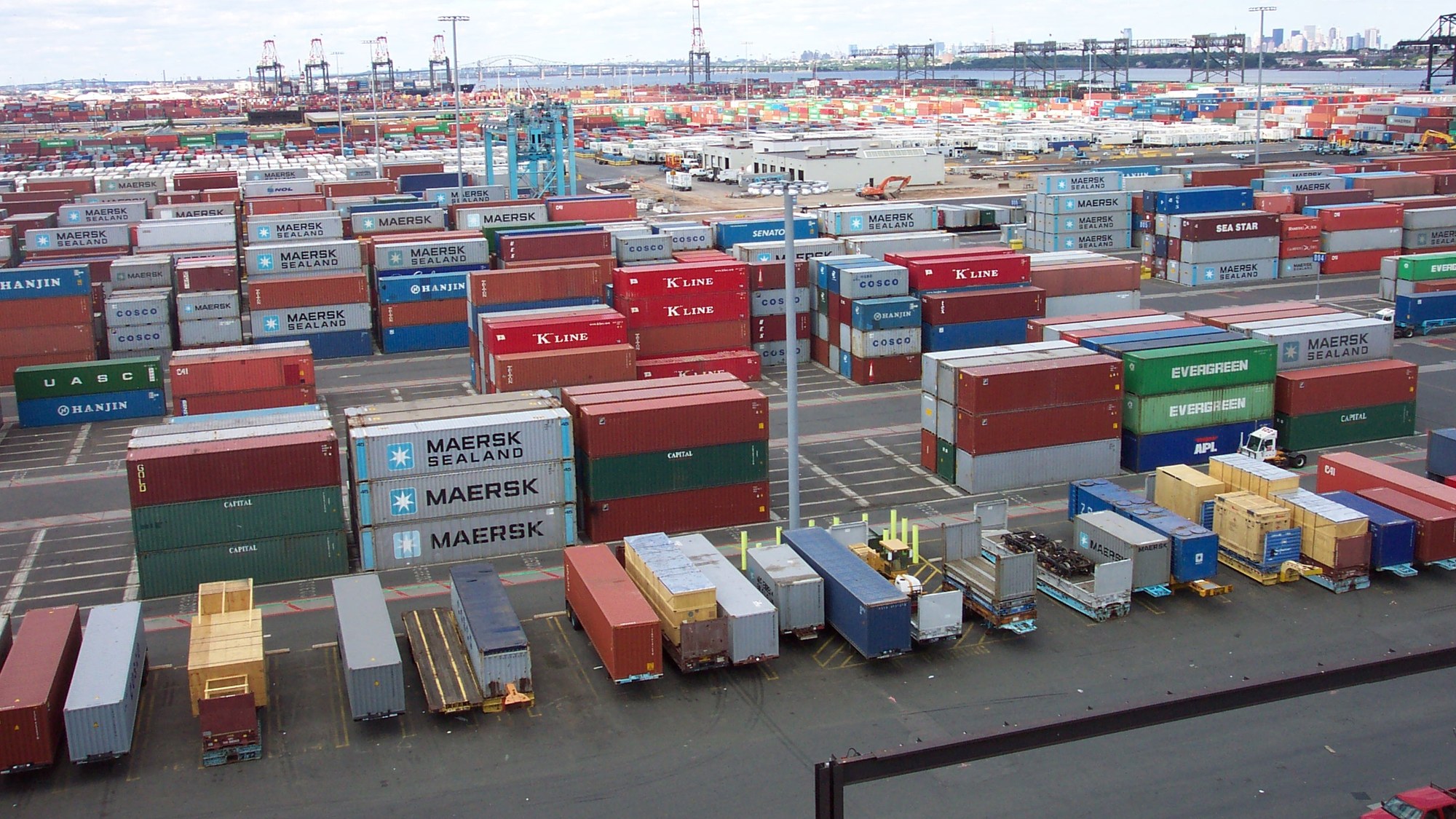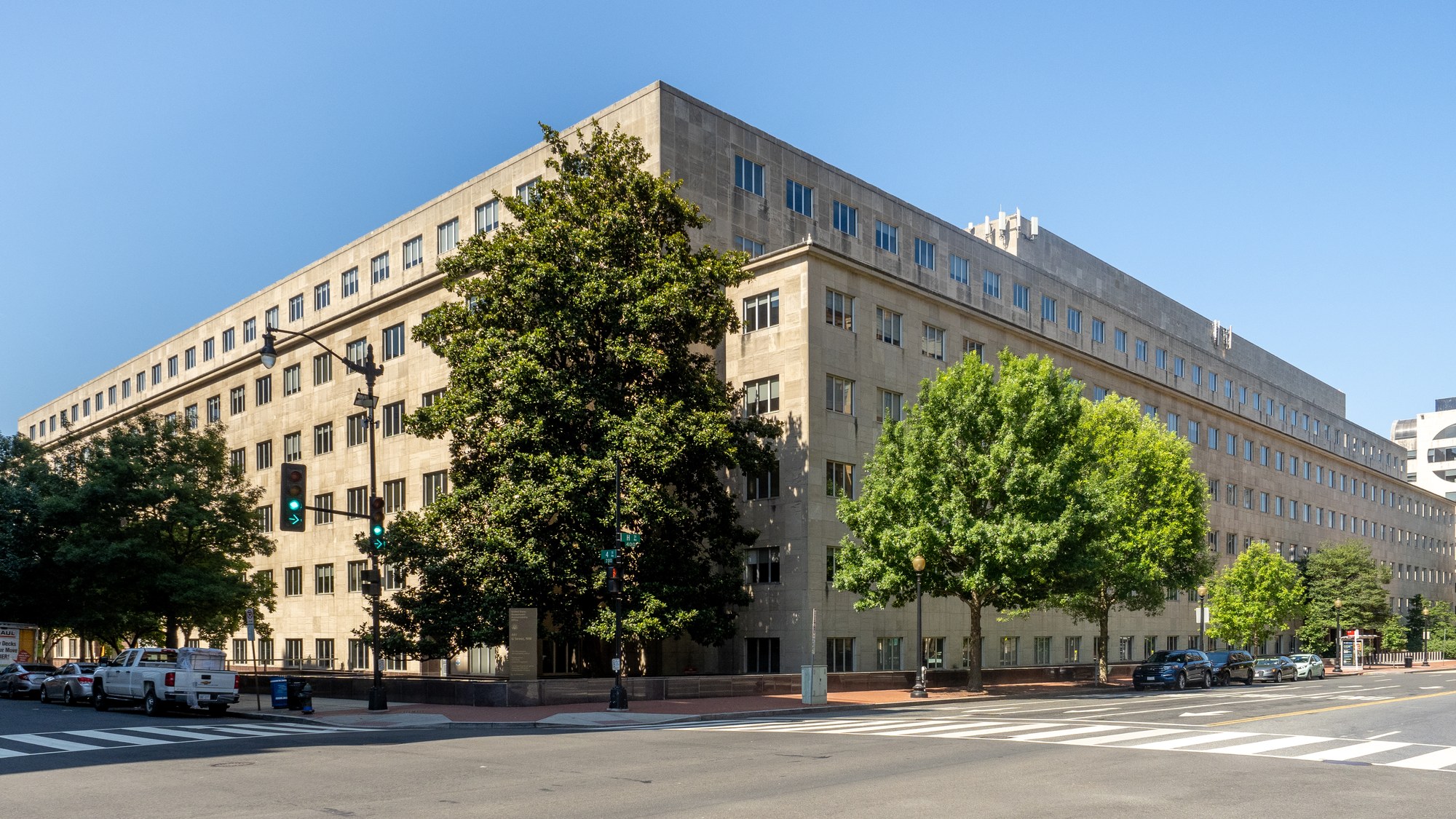
Buying warehouse space to expand its detention capacity has cost U.S. Immigration and Customs Enforcement $1.07 billion for 11 facilities, and the agency now plans to sell seven of them after already absorbing more than $20 million in costs it cannot recover, the Government Accountability Office found. GAO’s September 24 report ties the spending to a January 2025 executive order directing the Department of Homeland Security to rapidly expand detention space, and concludes ICE pursued that expansion without a strategic plan for how much bed space it actually needed.
Relief that isn’t automatic: The Senior Property Tax & Home-Cost Relief Kit lists the 5 kinds of property-tax relief and the circuit-breaker credit that includes renters, unclaimed every year even as federal dollars like the ones GAO tracked here move without a plan. Compare the five property-tax relief options →
The purchase, and the executive order behind it
ICE’s warehouse-buying spree traces directly to Executive Order 14159, signed January 20, 2025, which directed the Department of Homeland Security to “allocate all legally available resources or establish contracts to construct, operate, control, or use facilities to detain removable aliens.” ICE responded by purchasing 11 warehouses for a combined $1.07 billion, part of a broader detention-capacity expansion that GAO says proceeded without documented goals for how much space the agency actually needed, and without the kind of centralized tracking that would let the agency compare planned capacity against what any single region actually required.
Now unwinding part of the purchase
Less than two years later, ICE plans to sell seven of the 11 warehouses, and GAO found it has already absorbed more than $20 million in nonrecoverable costs, including zoning assessments and security work, on facilities it now intends to divest. GAO’s report is blunt about the cause: ICE “pursued these detention expansion initiatives without developing a comprehensive strategic plan” and lacked “consistent goals or objectives for the size and characteristics of its detention bed space.” Heather MacLeod, GAO’s director of homeland security and justice issues, oversaw the review.
A strategic plan still years away
DHS has agreed to develop the strategic plan GAO says it should have had from the start, but does not expect to finish one until August 31, 2027, more than two and a half years after the executive order that triggered the spending. GAO’s report notes that “more timely completion may be warranted,” language that in a GAO product amounts to a direct rebuke of the timeline the department has set for itself. In the meantime, ICE continues signing and unwinding facility contracts under the same ad hoc process GAO says produced the current mismatch between purchased capacity and actual need, with no interim benchmarks published for how the agency will avoid repeating it before 2027 arrives.
A pattern GAO has flagged before
This is not the first time GAO has found ICE detention spending going to waste. A separate GAO review of the Camp East Montana facility found ICE paying full contracted costs for 5,000 detainees while housing barely 1,600 by late February, and paying complete meal costs during a two-week stretch when the facility held no detainees at all, an arrangement GAO says could have saved tens of millions of dollars with a tiered pricing structure. That same facility opened without meeting basic detention standards, GAO found, including missing perimeter security cameras, no outdoor recreation space, inadequate attorney and family visitation areas, and gaps in medical services, because ICE skipped the pre-occupancy inspection its own policy requires. And in 2021, GAO found ICE had skipped its own planning process on 28 of 40 detention contracts and agreements reviewed, and separately wasted $20.5 million in a single month in 2020 paying for more than 12,000 unused beds a day, a recurring guaranteed-minimum-payment structure GAO says the agency never fixed. Senate Judiciary Committee Ranking Member Richard Durbin requested the current review in a May 2025 letter, which described ICE as already “operating multiple detention facilities above capacity” and asked GAO to track custody trends, costs and funding sources, and whether ICE was leaning on Bureau of Prisons or military facilities, as the new expansion proceeded.
What happens to the seven warehouses now
GAO’s report leaves unresolved exactly how ICE will recoup any of its investment in the seven warehouses slated for sale, beyond noting that the nonrecoverable costs already booked will not be returned regardless of who buys them. For a taxpayer watching the same pattern of guaranteed payments and underused capacity recur across three separate GAO reviews since 2021, the finding functions less as a one-time misstep than as evidence of a recurring gap between how fast the agency spends and how carefully it plans before spending. The executive order that started the expansion also directed a significant increase in immigration-enforcement personnel, “subject to available appropriations,” meaning the bed-space and staffing sides of the buildout were both accelerated at once, without the strategic plan GAO says should have come first. Until DHS’s plan is finished in 2027, decisions about which facilities to keep, sell or staff will continue being made the same way GAO says the warehouse purchases were: one contract at a time, without a documented total.
Property-tax relief while federal dollars sit idle
GAO’s review found ICE already moving to unwind part of its warehouse purchase, absorbing costs on facilities it plans to sell without being able to recover them. Local governments run a separate set of programs that return money directly to older homeowners, but only for those who apply before the relevant deadline.
The Senior Property Tax & Home-Cost Relief Kit lays out the 5 kinds of property-tax relief, including the circuit-breaker credit that includes renters, alongside an application log and renewal calendar for tracking those deadlines.
Compare the relief options in The Senior Property Tax & Home-Cost Relief Kit.
This article was produced with AI assistance and checked against the primary sources linked above.