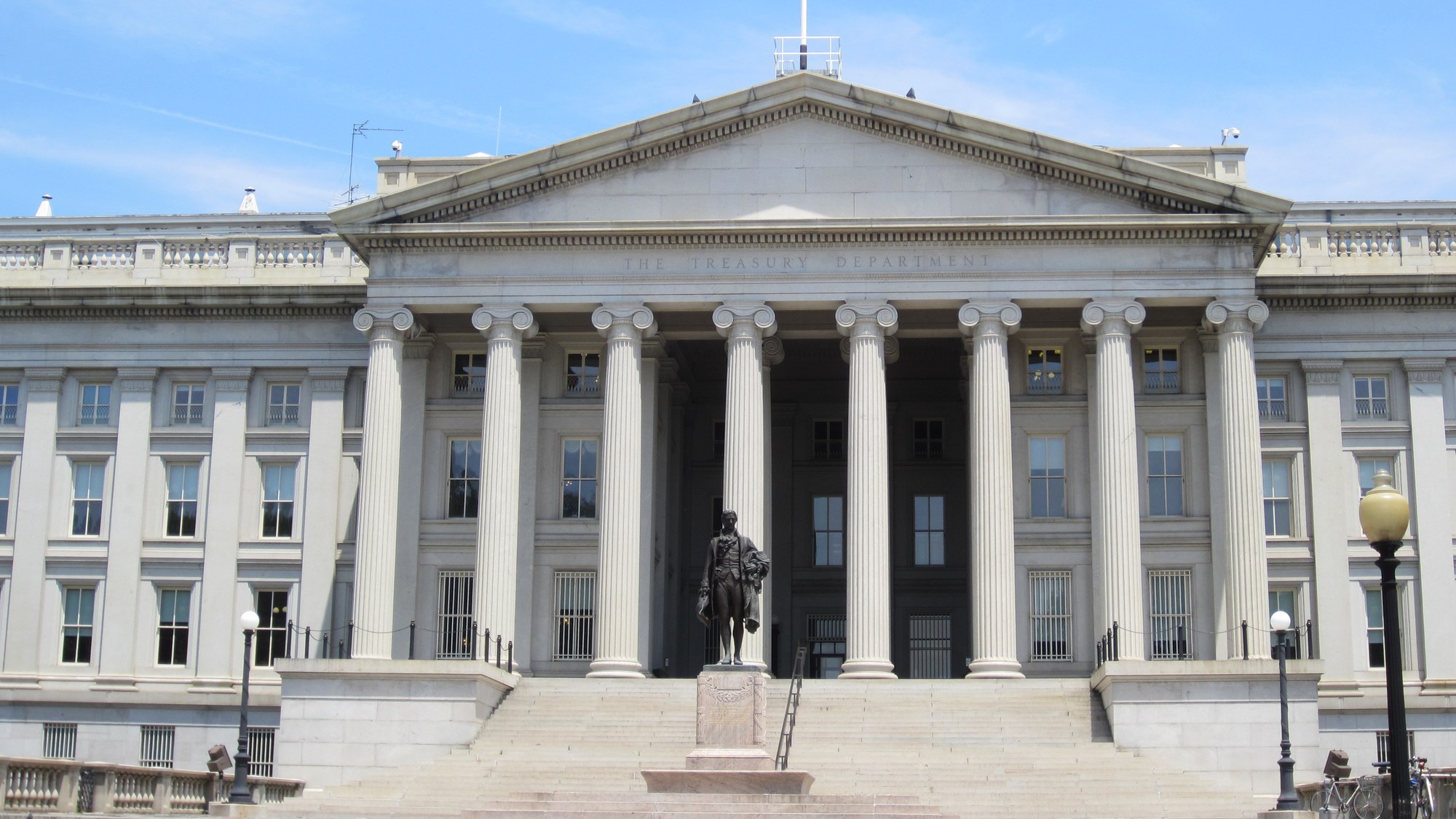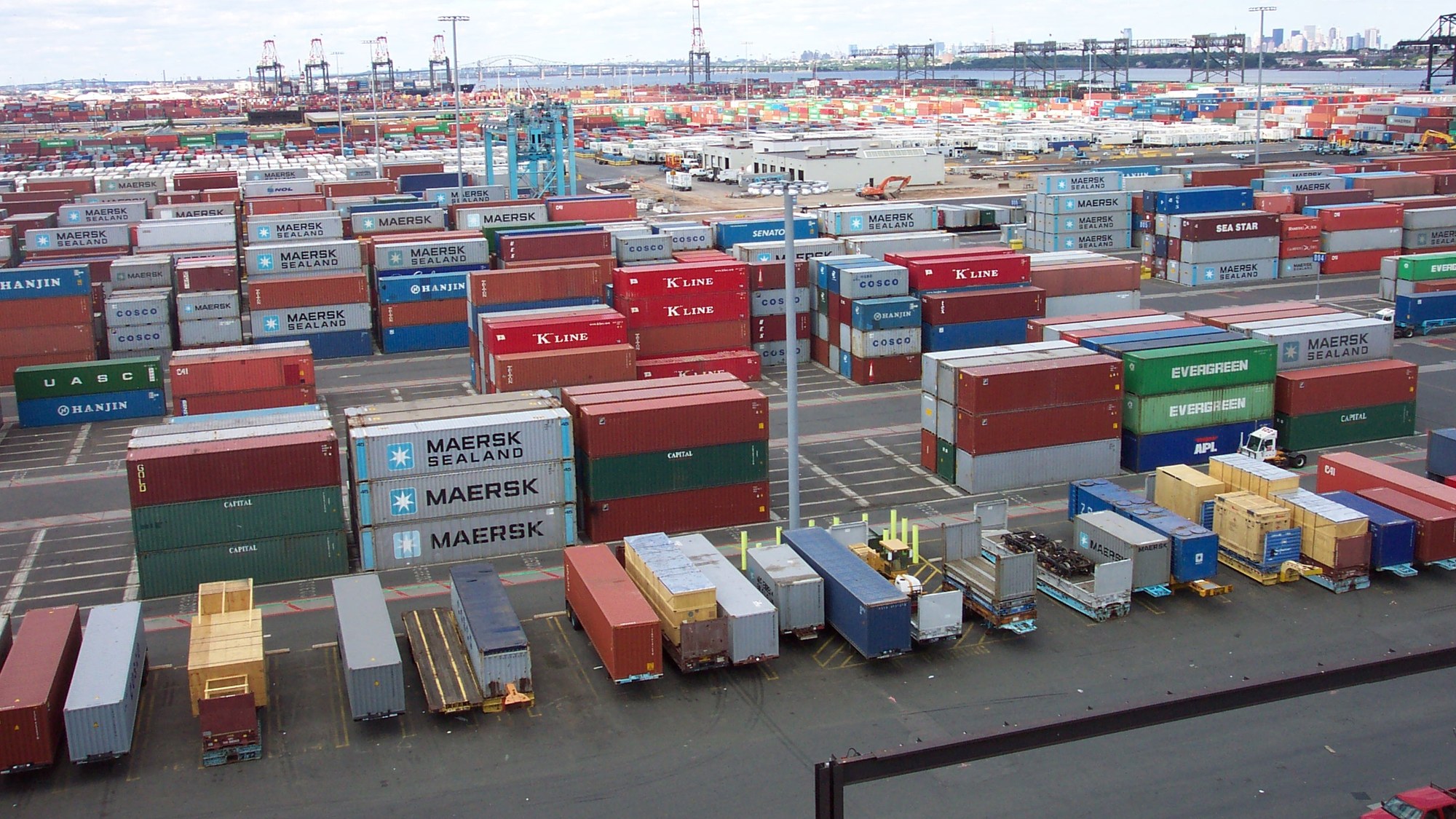
Customs duty collections fell 59% in August compared with a year earlier, a $17 billion drop, as refunds tied to a tariff program the Supreme Court struck down continued to flow, the Congressional Budget Office said in its September 9 Monthly Budget Review. The decline follows the Court’s February 20 ruling in Learning Res., Inc. v. Trump, which found tariffs imposed under the International Emergency Economic Powers Act unlawful. CBO reports that about $110 billion in refunds tied to those IEEPA tariffs had been issued through August.
Inside The Senior Property Tax & Home-Cost Relief Kit: the 5 kinds of property-tax relief and an application log and renewal calendar for tracking each deadline, independent of any tariff refund timeline. Look up the property-tax relief options due before the next filing deadline →
The 59% Drop, By The Numbers
August’s customs collections, which CBO defines to include tariffs, “declined by $17 billion (or 59 percent)” compared with August 2025, according to the Congressional Budget Office’s Monthly Budget Review. CBO notes that “collections were larger earlier in the year but have fallen since May,” which places August’s steep year-over-year drop at the tail end of a monthly slide rather than a single-month anomaly with no lead-up. CBO’s report does not say whether September, the month after this release’s window closes, is expected to show a similar pattern.
The Supreme Court Ruling Behind The Refunds
The refunds tracing through August trace back to a specific court decision: “Learning Res., Inc. v. Trump, Nos. 24-1287, 25-250, slip op. (S. Ct. Feb. 20, 2026),” cited in the same CBO report. The Supreme Court’s own opinion held that the International Emergency Economic Powers Act “does not authorize the President to impose tariffs,” the finding that made the duties refundable in the first place. CBO states that the administration began issuing refunds in May 2026 following that ruling, and that “about $110 billion had been issued in refunds for tariffs collected under IEEPA” as a running total through August 2026. A refund of previously collected tariffs does not register as a one-month loss and nothing more; CBO’s ledger instead shows reduced net customs receipts in whichever months the payments actually go out, which is why the $17 billion August drop and the $110 billion cumulative total are two different measurements, not the same figure stated twice.
Who Paid The Tariffs Now Being Refunded
The IEEPA tariffs now being refunded were paid at the time of import by the U.S. companies bringing foreign goods into the country, not by the foreign exporters shipping them, a structural feature of how customs duties are collected in the first place, according to the same CBO report. The Monthly Budget Review reports the aggregate refund total and the month it began but does not identify the companies or industries receiving the $110 billion, does not break the total down by month, and does not say whether it includes interest on the refunded amounts, a detail sometimes owed when a government returns money collected under a law later found unlawful. Without that industry breakdown, it is not possible from CBO’s report alone to know whether large multinational retailers, smaller importers, or some mix of both account for most of the total. Individual companies have begun disclosing their own slice of that $110 billion separately, in the same September earnings season: Costco Wholesale booked a $0.15-per-diluted-share non-recurring credit tied to the same IEEPA refunds, and AutoZone reported a 145 basis-point boost from the same program, filling in at the company level what CBO’s aggregate report does not itemize by name.
A Down Month That Doesn’t Show In The Full-Year Total
Despite August’s 59% year-over-year plunge, total customs duty collections for the first 11 months of fiscal year 2026 were about 1% higher than the same period a year earlier, according to the same CBO report, since duty collections early in the fiscal year ran ahead of the prior year’s pace before the refund-driven decline set in. That combination, a single month down 59% while the 11-month total is still slightly positive, reflects how much of the refund activity has concentrated in the months since the February ruling rather than spreading evenly across the fiscal year. September, the fiscal year’s final month, falls outside both figures; CBO’s report closes its window at August and does not project whether the refund pace continues, slows or accelerates afterward, leaving the final fiscal-year 2026 total, and how much of the still-unrefunded IEEPA duties eventually flow out, an open question the next Monthly Budget Review will have to answer.
The Local Relief Question A Tariff Refund Doesn’t Touch
A $110 billion federal refund program moves money between the U.S. Treasury and the importers that paid the voided tariffs; it has no bearing on the property-tax exemptions, circuit-breaker credits or utility bill-relief programs that a state or local government runs on its own budget and its own calendar. Those programs do not pause, expand or shrink based on what the Supreme Court ruled about IEEPA tariffs, and CBO’s report makes no claim that they would. A property-tax exemption or a utility bill-credit program, unlike a federal refund tied to a court ruling, typically requires the recipient to file within a specific window each year, a step no federal tariff decision changes one way or the other.
Where The Refunded Tariff Dollars Aren’t Going
CBO’s ledger tracks a large, ongoing refund flow moving out of the U.S. Treasury and back to the importers who paid the IEEPA tariffs the Supreme Court struck down; it does not track the property-tax bill or utility costs sitting in a retiree’s own mailbox, which run on entirely separate state and local calendars. A federal tariff-refund program, however large, does not renew a state’s senior property-tax freeze or extend a utility bill-credit deadline.
The Senior Property Tax & Home-Cost Relief Kit lays out the 5 kinds of property-tax relief, heating, cooling and home-repair help, and an application log and renewal calendar for keeping every filing deadline in one place.
Compare the property-tax and utility relief deadlines still open this season in The Senior Property Tax & Home-Cost Relief Kit.
This article was produced with AI assistance and checked against the primary sources linked above.