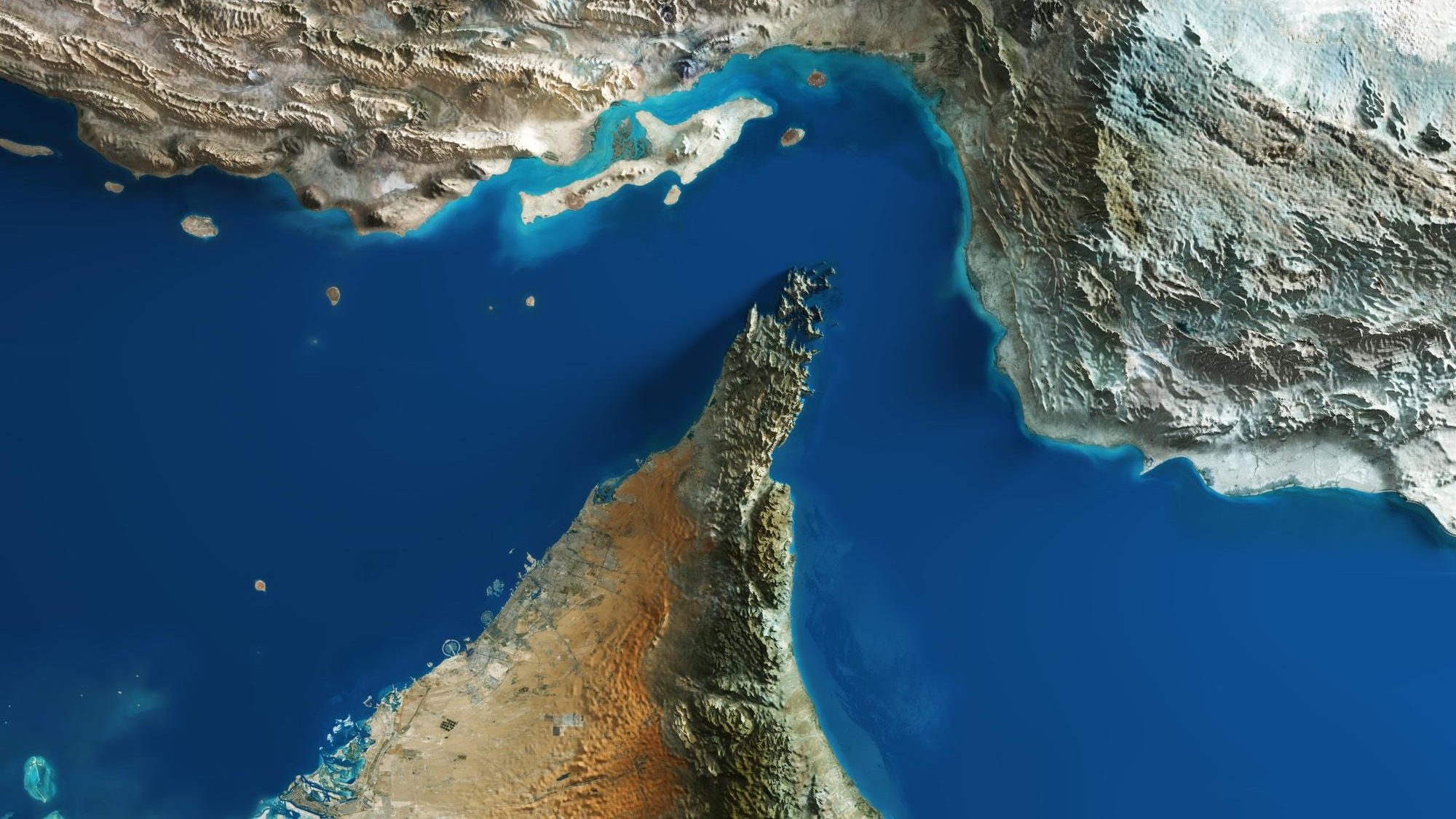
Commercial shipping through the Strait of Hormuz, the chokepoint for roughly one-fifth of global oil trade, could resume under a newly confirmed memorandum of understanding between the United States and Iran. Qatar, which served as the primary mediator, has formally welcomed the agreement. But the 30-day reopening target faces serious friction from insurance requirements, vessel inspections, and clearance procedures that shipping analysts say could push actual tanker traffic well past that deadline.
Why the 30-day Hormuz reopening target faces immediate friction
The political breakthrough is real, but the physical and financial logistics of restarting oil flows through a contested waterway do not move on a diplomatic timetable. Even with a signed deal, tanker operators need updated war-risk insurance policies, port-state clearances, and confirmation that sea lanes are safe for transit. Each of those steps involves separate commercial and regulatory actors who operate on their own timelines.
The MoU is explicitly framed around ensuring navigation in the Strait of Hormuz, according to Qatar’s Ministry of Foreign Affairs. That language signals both governments have agreed in principle on the right of commercial passage. The question is whether principle translates into practice within a month, or whether phased verification milestones tied to incremental sanctions relief stretch the actual restart closer to two months.
A phased approach would be consistent with how past maritime standoffs have unwound. Insurance underwriters typically wait for sustained de-escalation signals before lowering war-risk premiums, and shipping firms will not send laden supertankers through the strait until those costs come down. If the MoU requires Iran to meet specific benchmarks before each tranche of sanctions relief, every delay at one checkpoint cascades into the next, adding days or weeks to the reopening calendar.
Operationally, the 30-day clock also runs into basic scheduling realities. Tankers already on charter may need to be rerouted, while vessels that avoided the Gulf during the standoff will require fresh vetting and crewing plans. Port authorities on both sides of the strait must update notices to mariners, revise traffic separation schemes, and coordinate with naval forces to avoid miscommunication at sea. None of these tasks is insurmountable, but all take time and carry reputational risk if rushed.
Qatar’s confirmation and the operational gap in the MoU
Qatar’s foreign ministry statement is the strongest independent confirmation that the deal exists. As the primary mediator-state, Qatar had direct visibility into the negotiations, and its public endorsement carries weight with Gulf shipping firms and regional insurers who rely on Doha’s diplomatic signals to assess risk.
The full text of the MoU has not been published. No official U.S. Department of Defense or Central Command statement has confirmed a planned change to naval posture in the strait. Direct statements from Iran’s Revolutionary Guard Corps or its shipping regulators on clearance procedures and insurance guarantees are also absent from the public record. Those gaps matter because the headline promise of lifting a naval blockade within 30 days depends on coordinated action by military, regulatory, and commercial actors across multiple countries.
Operational constraints for restoring oil flow include clearance protocols, insurance arrangements, and the physical restoration of shipping routes, according to reporting that notes reopening could take weeks or months even with a deal in place. That assessment aligns with the phased-verification hypothesis: a signed agreement is a necessary first step, but it is not sufficient to put oil on the water.
In practice, the MoU appears to function more as a framework than a fully detailed implementation plan. It sets political intent and broad timelines but leaves granular questions-such as inspection regimes, dispute-resolution mechanisms, and protocols for incidents at sea-to follow-on technical talks. Until those annexes are agreed and circulated to industry, many operators will treat the 30-day goal as aspirational.
What tanker operators and energy markets should watch next
Three specific indicators will determine whether the 30-day reopening target holds or slips. The first is guidance from major marine insurers and protection-and-indemnity clubs. If war-risk premia for Gulf transits fall noticeably in the next two weeks, that will signal underwriters are comfortable that the MoU is being implemented on the water, not just on paper. If rates remain elevated, shipowners will either demand higher freight to compensate for risk or avoid the route altogether.
The second indicator is the pace and transparency of clearance and inspection procedures. Clear, publicly available notices from Gulf port authorities and maritime regulators-spelling out required documentation, inspection points, and any remaining restrictions-would reduce uncertainty and encourage early movers to test the corridor. By contrast, ad hoc or opaque inspections, especially if conducted by multiple agencies with overlapping mandates, would reinforce the perception that the strait is not yet fully open for business.
The third is the behavior of benchmark crude prices and freight indices. Oil markets have already priced in some degree of reopening, but actual tanker fixtures through Hormuz will be the proof point. A visible uptick in spot charters for Gulf loadings, coupled with easing freight rates on alternative routes, would confirm that physical flows are normalizing. If instead prices remain volatile and charterers continue to favor longer, more expensive diversions, it will suggest that the MoU’s political assurances have not yet overcome commercial caution.
For now, the agreement brokered with Qatari mediation marks a meaningful step away from confrontation in one of the world’s most strategically sensitive waterways. Whether it also delivers a rapid and orderly resumption of oil exports will depend less on the symbolism of a 30-day pledge than on the speed with which insurers, regulators, and navies can turn that pledge into predictable, low-friction passage for commercial ships.