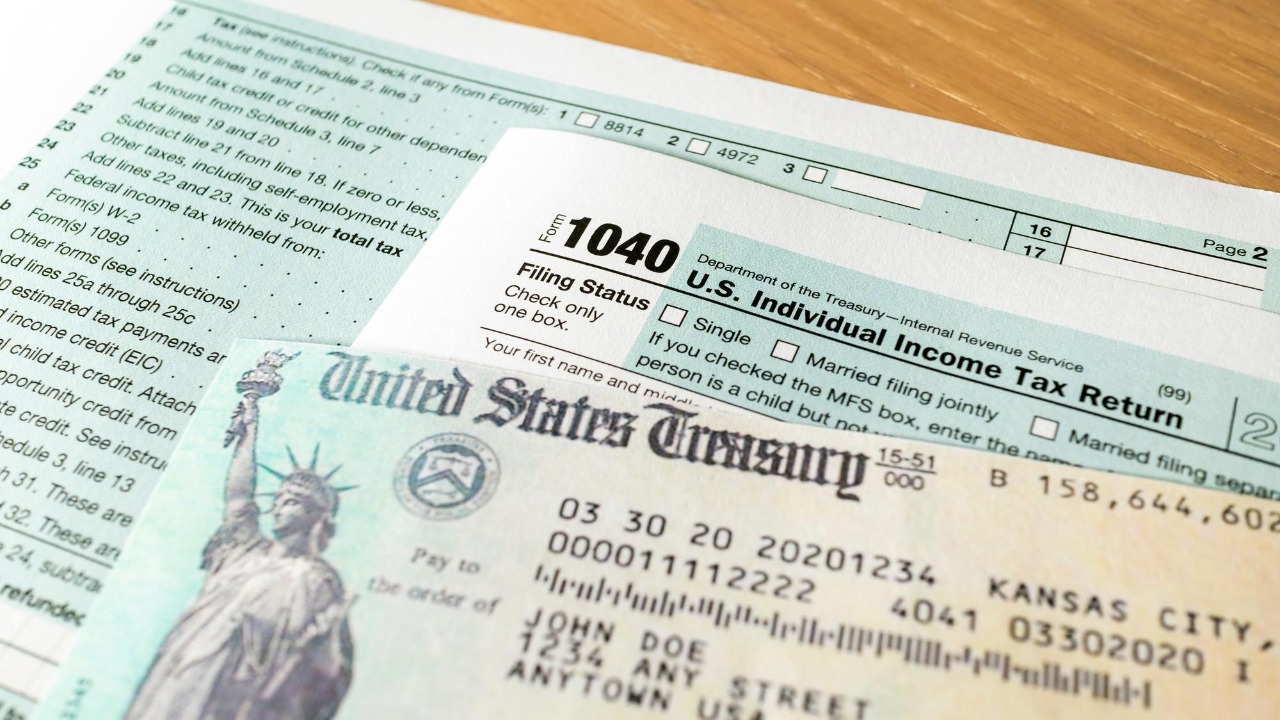
Tax refunds are up this filing season, but not by as much as Republicans promised after passing the One Big Beautiful Bill Act. IRS data through the week ending March 13 shows the average refund at $3,623, up from $3,271 at the same point last year. That $352 increase is real money for households that count on a spring refund to pay bills or cover overdue expenses, but it is well short of the roughly $1,000 boost that Republican lawmakers promoted in late 2025.
The gap matters because bigger refunds were sold as proof that the law would put more money back in family budgets. So far, the actual numbers suggest the benefit is smaller and less even than advertised.
What Lawmakers Promised vs. What the IRS Is Reporting
In late 2025, Republicans on the House Ways and Means Committee promoted outside analysis suggesting that 2026 tax refunds could be the largest on record. A joint statement from Rep. Mike Kelly and Ways and Means Chairman Jason Smith said tax filers could expect an extra $1,000 on their refund next year. A follow-up committee release said refunds were projected to grow by $91 billion, with additional relief also showing up through lower withholding during the year.
The IRS data tells a quieter story. In its filing season report for the week ending March 13, the agency said the average refund stood at $3,623, compared with $3,271 a year earlier. That is an increase of $352, not $1,000.
The gap does not mean the law had no effect. It does mean the most aggressive version of the pitch has not shown up in the government’s running totals.
Why the Results Look Smaller Than the Sales Pitch
Part of the answer is that tax law changes rarely hit every filer the same way. The IRS has published multiple pages explaining how the One Big Beautiful Bill Act affects individuals, including new deductions tied to tips, overtime pay, car loan interest, and seniors. Those benefits come with phaseouts, reporting rules, and eligibility limits that make the real-world outcome more complicated than a headline number.
In the IRS overview of the law’s tax deductions for working Americans and seniors, the agency notes that several new deductions depend on specific reporting from employers, lenders, or taxpayers themselves. Qualified overtime deductions, for example, apply only to the portion of pay above a worker’s regular rate that is required under federal labor law. Tip deductions are limited to occupations the IRS recognizes as customarily receiving tips, and several provisions phase out at higher income levels.
That means many taxpayers may benefit, but not equally. A family with two eligible seniors, deductible car loan interest, and qualifying overtime income may see a much bigger break than a worker whose income does not fit the law’s narrower categories. A broad political promise can blur those differences.
There is also a second point that gets lost in tax-season messaging. A lower tax bill does not automatically produce a much larger refund. Some of the benefit shows up during the year through withholding, which changes take-home pay rather than the final refund check. The Ways and Means Committee’s own statement acknowledged that part of the projected relief would come through reduced withholding, not just bigger refunds.
That is one reason refund size alone is not a fair scorecard. But lawmakers chose refunds as the public-facing number, so it is the one many voters will use to judge the promise.
Early Filing Season Distortions Matter, but They Do Not Erase the Gap
Refund data early in the season always needs context. The IRS noted in its February 13 filing update that refunds tied to the Earned Income Tax Credit and Additional Child Tax Credit were still being held under the PATH Act. Those delays can temporarily push averages around.
But even after those refunds started flowing, the gap between the marketing and the data did not close. In the week ending February 27, the IRS reported an average refund of $3,742, above the prior year but still not close to a $1,000 jump across the board. By mid-March, the average had settled at $3,623, stronger than last year but far below the kind of universal increase many people would expect from the earlier political claims.
There is also the issue of offsets. The IRS says refunds can be reduced when a taxpayer owes certain debts, including past-due taxes or child support, handled through Treasury’s offset process. Those offsets can cut the amount a filer actually receives even when the return itself would have produced a larger payment.
What It Means for Taxpayers
For families counting on a refund check, the practical point is simple. This has been a better refund season than last year, but not the blockbuster some politicians suggested was coming. That matters because refund season is not just another data release. For many households, it is one of the few times a year when a lump sum arrives, and people use that money for rent, credit card bills, car repairs, or medical expenses. When lawmakers frame a tax package around the idea of much bigger refunds, they set an expectation that is hard to walk back.
The bigger lesson is that tax law and tax administration are not the same thing. A law can create real deductions on paper and still produce uneven results once eligibility rules, payroll systems, and household finances enter the picture. That does not make the law meaningless, but it does make sweeping refund promises risky.
The story here is not that refunds are collapsing. The government’s own numbers show refunds rising. They are just rising well short of what voters were told to expect.

Paul Anderson is a finance writer and editor at The Financial Wire. He has spent seven years writing about investment strategies and the global economy for digital publications across the US and UK. His work focuses on making sense of economic policy, cost-of-living issues, and the stories that affect everyday Americans.